Author: admin
-
Introduction The most significant development in the North Caucasus over the past two weeks was the appointment of a new acting head of Dagestan. The new administration is expected to strengthen the Kremlin’s control over the republic and further consolidate federal influence in the region. At the same time, all North Caucasian republics have been…
-
Главной новостью этой недели, связанной с регионом, стало проведение двух крупных международных форумов в Ереване: саммита Европейского политического сообщества и саммита Армения-ЕС. Мероприятия вызвали негативную реакцию со стороны как российских официальных лиц, так и прогосударственных медиа. Спикеры указывали на некие «обязательства» Армении перед Россией, которые якобы были нарушены во время проведения саммита: «Армения, которая, надо уж честно говорить, всем…
-
The Occupied Tskinvali Region In the occupied Tskinvali region, April began with unscheduled training focused on the preparation of officers and unit commanders, conducted under the direct supervision of the de facto First Deputy Defence Minister Inal Sabanov. Held across three separate locations, the training aimed to strengthen the organisational skills required for the effective…
-

European Political Community and EU-Armenia Summits on May 4–5 in Yerevan were indeed historic for Armenia and the South Caucasus, as well as a powerful demonstration of support to PM Pashinyan of Armenia ahead of crucial parliamentary elections in June. Is Europe on the right path to make itself free and whole, as President George…
-
Introduction The first two weeks of April were not marked by major developments in the North Caucasus. The most notable events were the aftermath of the flooding in Chechnya and Dagestan, as well as ongoing speculation regarding the possible resignation of the head of Dagestan, Sergei Melikov. The war in Ukraine also continued to affect…
-
“Post-Soviet Conflicts Watch” offers a comprehensive analysis of ongoing conflicts and post-conflict developments across the post-Soviet space. This report presents an overview of significant events and trends in the Russian-occupied regions of Georgia, Abkhazia and the Tskhinvali region, as well as the breakaway region of Transnistria, the autonomous entity of Gagauzia, and other areas within the post-Soviet space. In…
-
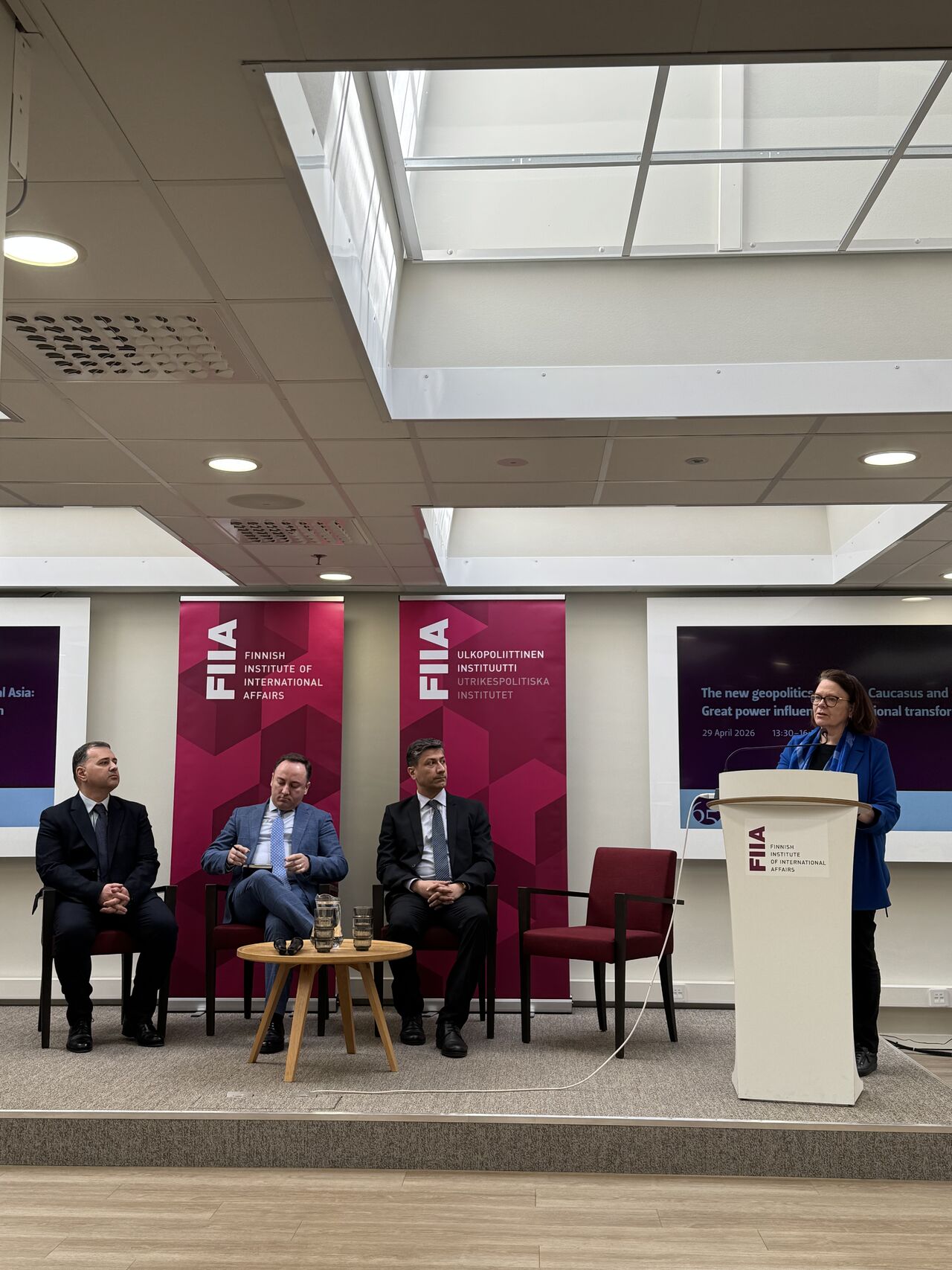
On 29 April 2026, GFSIS-E co-hosted a seminar in Helsinki, Finland, dedicated to exploring the evolving geopolitical dynamics of the South Caucasus and Central Asia. Since the moment of the disintegration of the Soviet Union, Western attention to the countries of the South Caucasus and Central Asia has been oscillating. Periods of active engagement, driven…
-
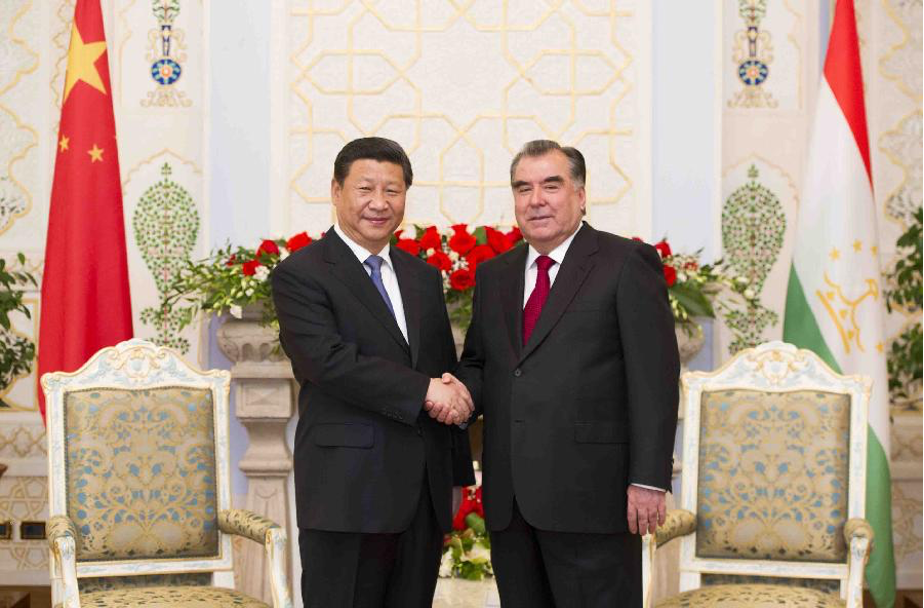
Introduction Tajikistan has welcomed both Russia and China in wide-ranging and comprehensive partnerships. In 1993, shortly after the collapse of the Soviet Union, Russia signed an agreement with Tajikistan on Friendship, Cooperation and Mutual Assistance. Such agreements had been used by the Soviet Union to form alliances that were later adopted by the Russian Federation. China moved…
-
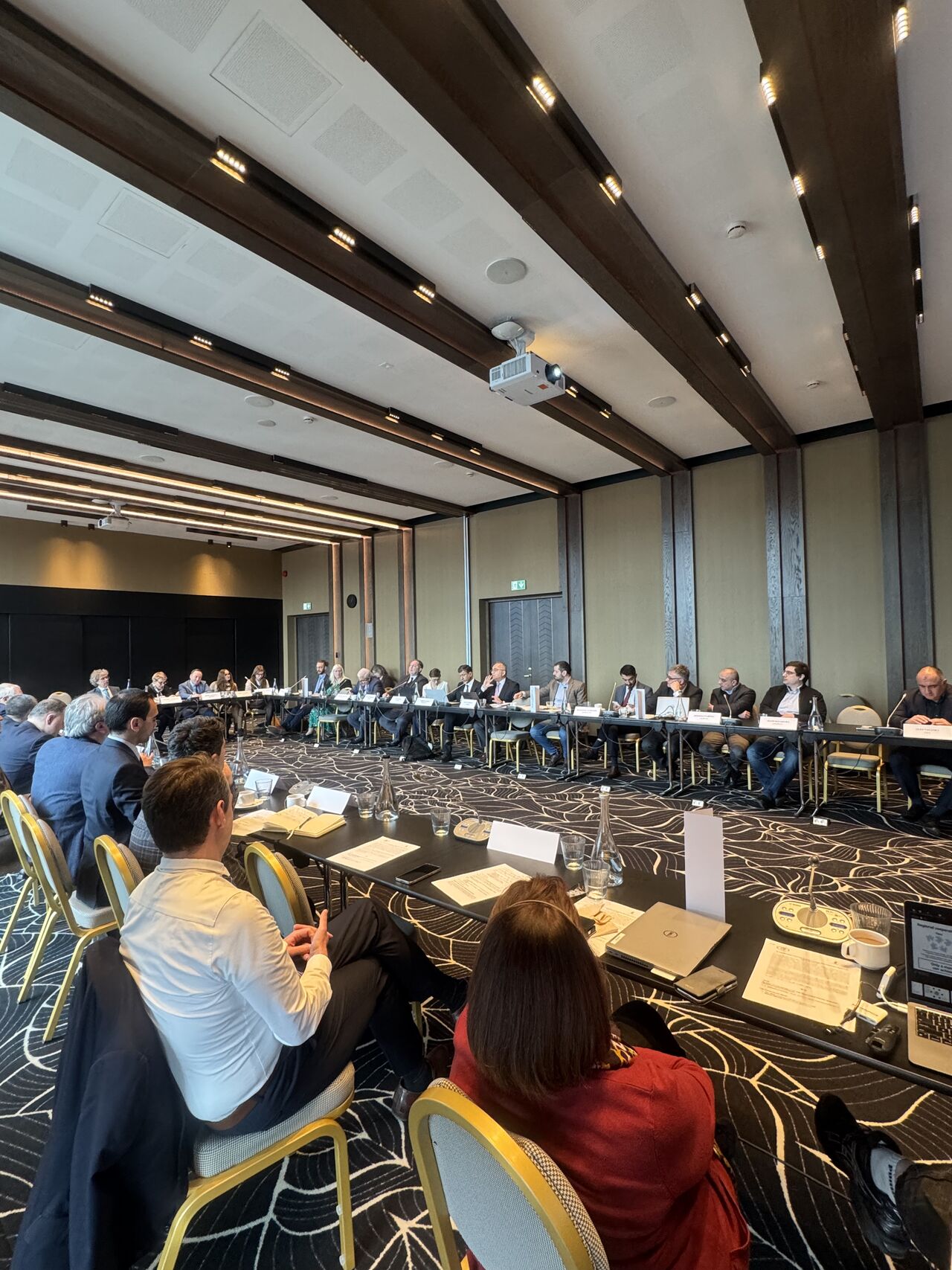
On 28 April 2026, GFSIS-E, in partnership with the Estonian School of Diplomacy, hosted a workshop in Tallinn, Estonia, dedicated to examining the evolving geopolitical landscape of the South Caucasus and Central Asia. The South Caucasus and Central Asia are increasingly shaped by intensified great power competition involving Russia, China, the United States, the European…
-
In this episode, we discussed with Senior Fellow, Ambassador Gigiadze of EPRC, developments in the post-Orban European Union and prospects for solving issues related to Ukraine, sanctions, defence budget, etc. We also asked Amb. Gigiadze to elaborate on Germany’s growing role in Europe’s security and global affairs amid the 5th year of Russia’s full-scale invasion…