Category: Conflicts / Occupied Territories
-
Beginning in 2026, the Kremlin’s deployment of “soft power” instruments in allied nations and across the post-Soviet region will be supported by a new entity: The International Foundation of the International Projects of the Presidential Grants Fund, overseen by Sergey Kiriyenko, First Deputy Head of the Presidential Administration of Russia. The Establishment of a New…
-
Post-Soviet Conflicts Watch analyzes conflicts and post-conflict developments across the post-Soviet region. This document reviews key events and trends in the Russian-occupied areas of Georgia, including Abkhazia and the Tskhinvali region, as well as the breakaway region of Transnistria, the autonomous entity of Gagauzia, and other relevant areas. It also examines progress in Armenian-Azerbaijani peace…
-
Introduction The Southern Military District is the most significant military-administrative formation of the Armed Forces of the Russian Federation. Although it covers the smallest territory among the military districts, it has been at the forefront in terms of combat experience and participation in armed conflicts since the collapse of the Soviet Union. Presently, in addition…
-
Introduction Armenia and Russia are members of the Collective Security Treaty Organization, which brings together states allied with Russia. Under the 1995 agreement, the 102nd Military Base is stationed in Armenia, with its primary garrison located in the city of Gyumri. In 2010, the original 25-year deployment term for the base was extended to 49…
-
The Occupied Tskhinvali Region Military Aid from Russia Source: sputnik-ossetia.ru On 14 January 2026, the de facto Ministry of Defense of so-called South Ossetia reported that its “defense minister,” Russian officer Yuri Yarovitsky, had paid his first official working visit of the year to Moscow. As a result of the visit, “South Ossetia” received another…
-
Post-Soviet Conflicts Watch reviews ongoing conflicts and post-conflict developments across the post-Soviet region. The publication analyzes key events in the Russian-occupied areas of Georgia, including Abkhazia and the Tskhinvali region, as well as in Transnistria, Gagauzia, and other relevant areas. It also covers progress in the Armenian-Azerbaijani peace negotiations following on from the Second Nagorno-Karabakh…
-
Introduction The 4th Military Base of the Russian Armed Forces deployed in the occupied Tskhinvali Region (former South Ossetia Autonomous District) is tasked with ensuring security of the Tskhinvali region and protecting Russia’s interests in the South Caucasus. The base subordinates the 58th Combined Arms Army and is a part of the Southern Military District…
-
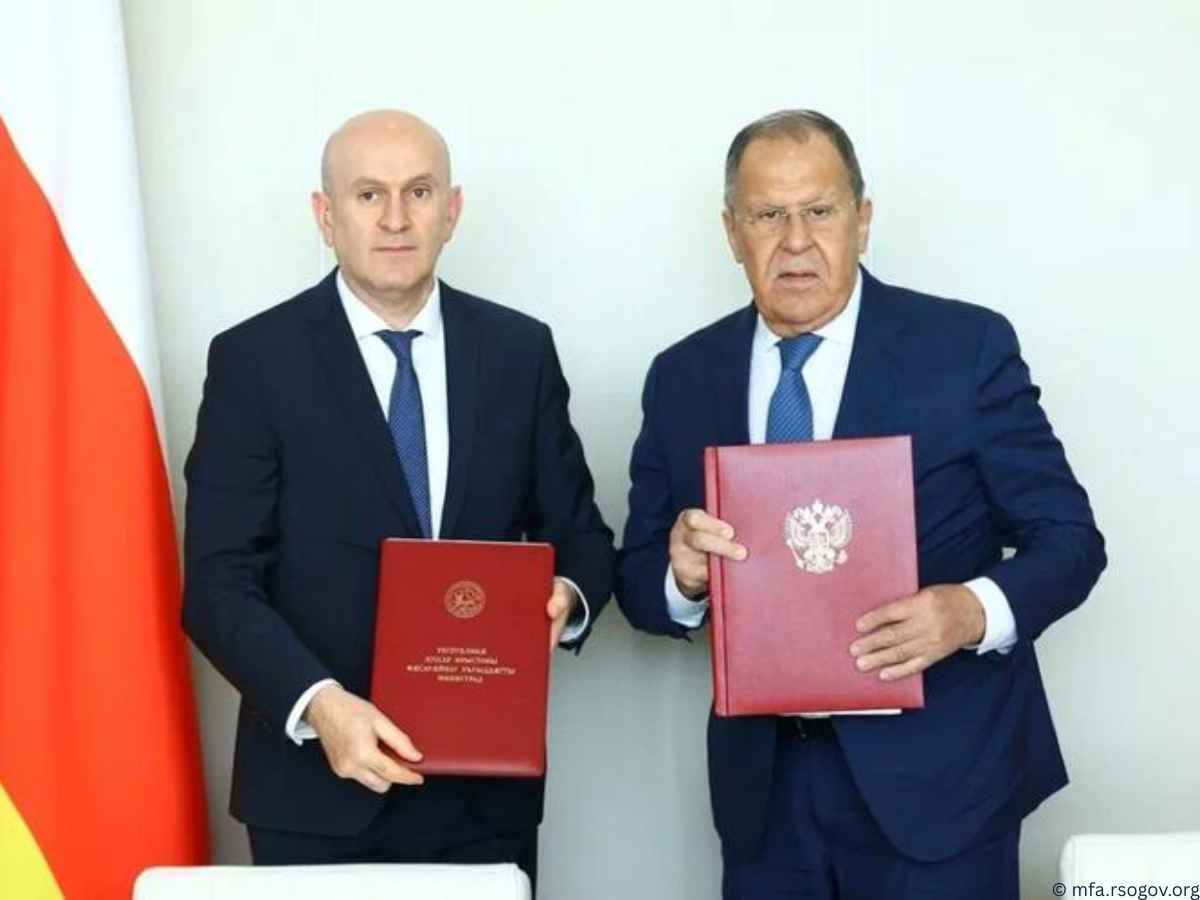
The Russian-occupied Georgian regions of Abkhazia and the Tskhinvali region (formerly the autonomous region of South Ossetia) have had their independence recognized by only five UN member states. After the 2008 Russo-Georgian War, Russia was the first to extend recognition, followed by Nicaragua, Venezuela, Nauru, and Syria. When it comes to “foreign policy” activity, the…
-
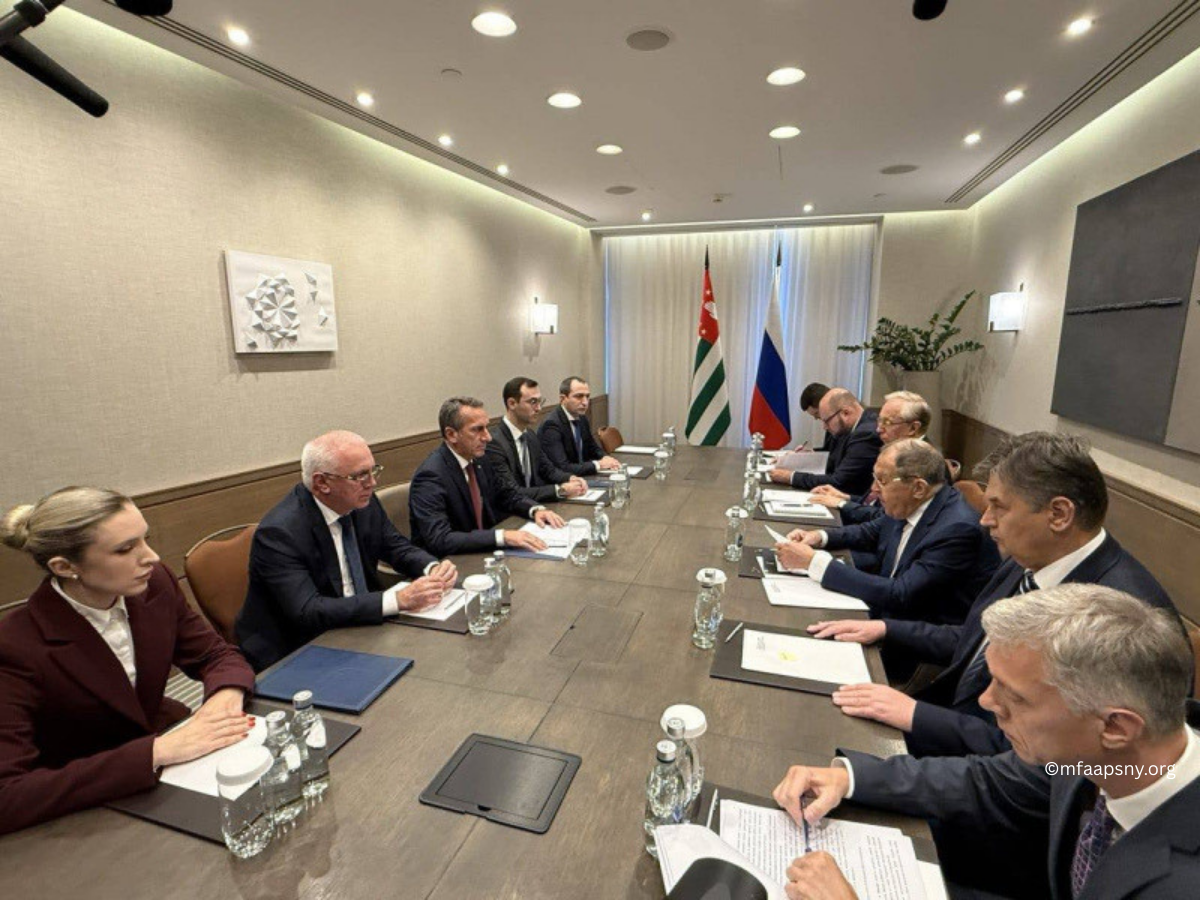
The independence of the Russian-occupied Georgian regions of Abkhazia and the Tskhinvali region (formerly the autonomous region of South Ossetia) has been recognized by five United Nations member states. After the 2008 Russo-Georgian War, Russia was the first to accept Abkhazia’s independence, followed by Nicaragua, Venezuela, Nauru, and Syria. In recent years, Abkhazia has developed…
-
The 58th Guards Combined Arms Army is one of the more significant components of the Armed Forces of the Russian Federation. Its primary area of responsibility is the Caucasus region. The army’s bases and military infrastructure are located in the territory of the North Caucasus. The 4th Military Base, along with other military facilities deployed…