
Introduction
The 4th Military Base of the Russian Armed Forces deployed in the occupied Tskhinvali Region (former South Ossetia Autonomous District) is tasked with ensuring security of the Tskhinvali region and protecting Russia’s interests in the South Caucasus. The base subordinates the 58th Combined Arms Army and is a part of the Southern Military District of the Russian Federation. The 4th Military Base plays a key role in ensuring the Kremlin’s military and political influence throughout the Caucasus.
The majority of the most recent satellite imagery of the Tskhinvali region dates back to 2020. The military equipment shown in the images has been deployed and actively utilized in the full-scale war being waged by Russia in Ukraine since 2022. It is frequently reported that the Russian army has been experiencing major shortages of heavy armored vehicles, APCs, and other equipment. Therefore, the combat equipment displayed in this publicly available satellite imagery does not accurately represent the current situation.
Formation of the 4th Military Base
Shortly after the 2008 Russia-Georgia War, in 2009, the Russian Federation established military bases in the occupied territories of Tskhinvali and Abkhazia. The 4th Military Base is located in the Tskhinvali region, with the primary infrastructure deployed in the Tskhinvali and Java municipalities. The base is subordinate to the Russian 58th Army, and is integrated into the Southern Military District of the Russian Federation.
On September 15, 2009, Russia concluded military cooperation agreements with the de facto governments of occupied Abkhazia and so-called South Ossetia. This was preceded by the September 17, 2008 Treaty of Friendship, Cooperation, and Mutual Assistance between Russia and the so-called Republic of South Ossetia. These agreements serve as a political and legal framework for military cooperation, providing the foundation for subsequent treaties and containing the initial legal provisions regarding the deployment of Russian military bases within the occupied territories.
In 2010, based on the treaties on Friendship, Cooperation, and Mutual Assistance of 2008, Russia concluded agreements with the de facto governments of Abkhazia and the so-called Republic of South Ossetia on joint Russian military bases. These agreements served to formalize the presence of the Russian armed forces deployed in the occupied territories, and to regulate the legal status of Russian personnel, equipment, and facilities. At the time these agreements were signed, the construction of infrastructure for the 4th Military Base was already underway.
Based on the agreement, the so-called Republics of Abkhazia and South Ossetia recognize the legality of all Russian state documents of all Russian military personnel and their family members on their territories. In addition to military personnel, the same rule applies to legal entities and individuals registered in the Russian Federation who cooperate with the Military Bases as suppliers or contractors.
The following territories of the occupied Tskhinvali region were allocated for the deployment of the Russian Armed Forces: 1. Aviation Base – Java; 2. Radiolocation Unit of the Aviation Base – 4 kilometers northwest of Tskhinvali; 3. Joint Airfield – Kurta; 4. Military Town (barracks, or a military settlement) 12B – Tskhinvali; 5. Military Town 12G – Tskhinvali; 6. Military Town 47/1 – Tskhinvali District; and 7. Military Town 47/2 – Java. Open-source data confirms that Russia also constructed military infrastructure at additional, previously undisclosed, locations.
The 4th Military Base
Russia’s 4th Military Base, Military Unit No. 66431 (full designation in Russian: 4-я гвардейская Вапнярско-Берлинская Краснознамённая, орденов Суворова и Кутузова военная база), is part of the 58th Combined Arms Army of the Russian Armed Forces and is subordinate to the Southern Military District. According to the agreement between Russia and so-called South Ossetia, the 4th Military Base is stationed in the Tskhinvali and Java areas; however, its military infrastructure extends across the entirety of the occupied Tskhinvali region.
The 4th Military Base inherits its designation and military unit number from the 693rd Motorized Rifle Regiment of the Soviet Union and, subsequently, the Russian Armed Forces (full designation in Russian: 693-й гвардейский мотострелковый Вапнярско-Берлинский Краснознамённый, орденов Суворова и Кутузова полк). Prior to the collapse of the Soviet Union, the unit was deployed in the German Democratic Republic (GDR); following the dissolution of the USSR, the regiment was integrated into the 19th Division of the 58th Army and relocated to the city of Vladikavkaz in North Ossetia.
Communications intercepted by the Georgian side confirm that the 693rd Regiment was one of the first Russian military formations to invade Georgia on August 7, 2008. This is further confirmed by American diplomat Ronald Asmus, who, citing his own sources, writes that the 58th Army’s 693rd Regiment, 135th Regiment, 22nd Brigade, and other Russian military units entered Georgian territory between August 2 and August 7, 2008. During the 2008 Russo-Georgian War, the 693rd Regiment fought on the outskirts of Tskhinvali and within the town itself, and it was this specific unit that entered the city of Gori.
The second Russian military unit upon which the 4th Military Base was established is the 135th Motorized Rifle Regiment. In 1998, the 135th Separate Brigade was reorganized into the 135th Regiment. As a brigade, the unit fought in the First Chechen War, while, as a regiment, it participated in the Second Chechen War. Formations of the 135th Regiment crossed the Russia-Georgia border on August 7, 2008. Following the Russia-Georgia War, the regiment was disbanded as part of the reforms within the Russian army. However, within the wave of new military reforms ongoing in parallel with the full-scale war launched by Russia in Ukraine, the unit was reconstituted within the 19th Division and has since been deployed in that war.
The 4th Military Base and the Russo-Ukrainian War
The 4th Military Base has been directly and actively involved since the start of the full-scale war launched by Russia in Ukraine in February 2022. According to the Main Directorate of Intelligence of Ukraine (GUR), commanders from the 4th Military Base participated in the operational planning of the war. Between 2019 and 2021, Russian military bases stationed in Georgia’s occupied regions were particularly active. According to reports from the State Security Service of Georgia, in these three years alone, Russian military units conducted over 345 combat exercises within Georgia’s occupied territories. To this day, the base continues to be actively utilized for the preparation of military personnel participating in the war in Ukraine.
In a 2024 interview with Sputnik, a Russian officer serving at the 4th Base stated that the base continuously receives conscripts from various regions of the Russian Federation. Both conscripts and contract servicemen undergo training based on combat experience gained during the war in Ukraine. This preparation includes instruction on the operation of both strike and reconnaissance drones, ensuring personnel are equipped for the demands of modern warfare. According to the officer, the training of personnel mirrors the conditions of the so-called “Special Military Operation” – “After all, we must teach them all (the soldiers) before we send them to execute combat tasks.”
Units from the 4th Military Base participating in the war in Ukraine are integrated into the ‘Dnepr’ Grouping of the Russian Armed Forces, engaged in battle in the Zaporizhzhia and Hulyaipole directions.
A significant portion of ethnic Ossetian mercenaries from the so-called Republic of South Ossetia have participated in the Ukraine war specifically as servicemen of the Russian 4th Military Base. As early as February 2022, reports emerged indicating that a large quantity of heavy equipment and over a thousand military personnel were deployed from the occupied Tskhinvali region to Ukraine.
In late December 2025, the de facto minister of foreign affairs of so-called South Ossetia, Akhsar Dzhioev, stated that approximately 2000 of the “republic’s” “citizens” are participating on the Russian side in the war in Ukraine. As of January 2026, from the start of the full-scale war to the present day, approximately 90 ethnic Ossetian fighters from the Tskhinvali region have been killed while fighting for Russia. The number is confirmed through open-source data. These figures do not include information regarding combatants currently listed as missing in action, whose deaths have yet to be officially confirmed.
Commanders of the 4th Military Base
As of January 2026, the acting commander of the 4th Military Base is Colonel Rajab Aliev. Until 2022, the commander’s position was held by Colonel Roman Viazovsky, who was promoted to the rank of Major General by Vladimir Putin in December 2022. Viazovsky was subsequently appointed as commander of the 19th Division of the 58th Army. The division is fully deployed and engaged in the ongoing full-scale war in Ukraine.
Both Vyazovsky and Aliev have been included by Ukraine on its designation list of war criminals. According to the Main Directorate of Intelligence of Ukraine (GUR), both individuals participated in the planning of the Russian invasion of Ukraine and the subsequent conduct of the war. Aliev held the position of Deputy Commander of the 4th Military Base until Viazovsky’s appointment as Commander of the 19th Division.
Rajab Aliev (full name in Russian: Алиев Раджаб Холматович) was born on July 28, 1968. He is registered in the city of Kokhma, Ivanovo Oblast, Russia, at 33 Vladimirskaya St., Apt. 172. Passport number: 9613 № 449352. He is thought to have held the position of acting commander of the 4th Military Base since early 2023.
Roman Viazovsky (full name in Russian: Вязовский Роман Юрьевич) was born on November 4, 1976. In 2014, Lieutenant Colonel Viazovsky served as the Chief of Staff of the 136th Separate Motorized Rifle Brigade of the 58th Army in Buynaksk (Republic of Dagestan). In 2015, he commanded an operational unit of a motorized rifle brigade in the Southern Military District. He has held the rank of Colonel since 2017. Between 2017 and 2020, he was the commander of the 19th Separate Motorized Rifle Brigade of the 58th Army. Notably, previous commanders of this unit include Alexander Dvornikov, former commander of the Southern Military District, and Marat Kulakhmetov, the Russian “ambassador” to the occupied Tskhinvali region. On December 7, 2022, Viazovsky was promoted to the rank of Major General for his contributions to the war in Ukraine.
Prior to Rajab Aliev and Roman Viazovsky, the following individuals held the position of commander of Russia’s 4th Military Base:
- Aleksandr Shushukin (from February 2009 to October 2013)
- Mikhail Polishchuk (from October 2013 to September 2016)
- Aleksandr Kravtsov (from September 2016 to September 2020)
Facilities and Infrastructure of the 4th Military Base
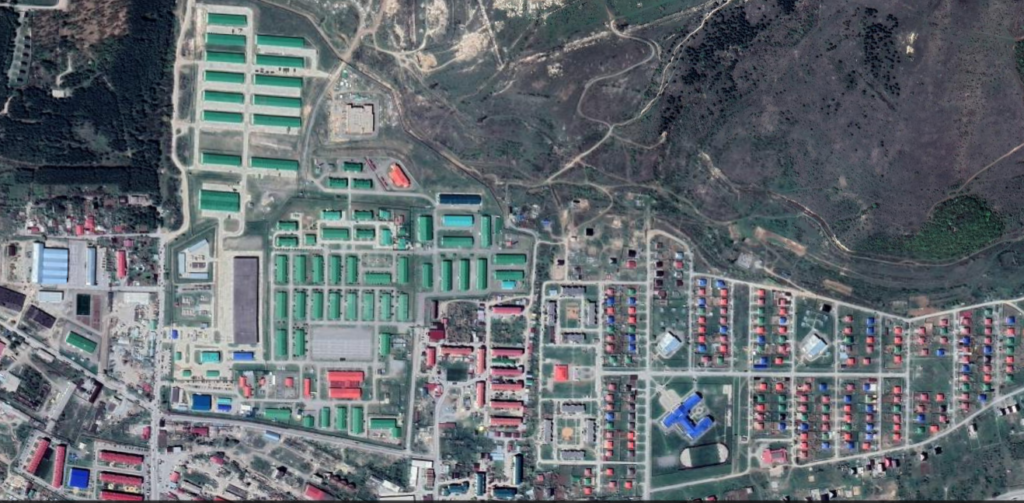
A Russian military town in Tskhinvali. The infrastructure was constructed between 2009 and 2010 and includes barracks for Russian military personnel, housing for officers, military equipment storage facilities, residential quarters for the families of Russian servicemen, and a school for their children.
Coordinates: 42°14’14″N 43°57’31″E
Source: Google Earth
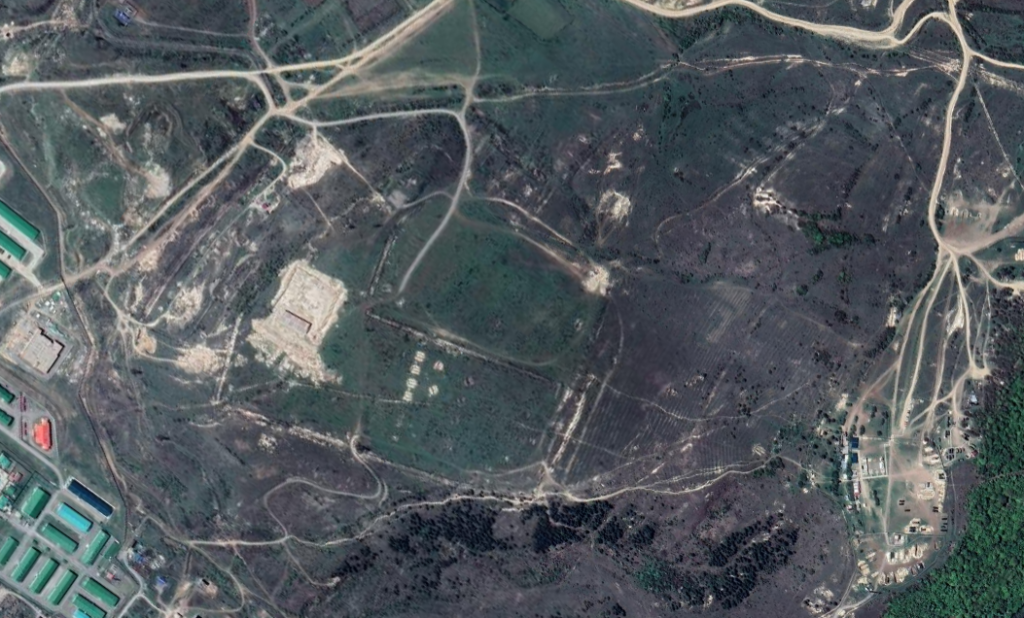
A training range and a military equipment park located west of Tskhinvali city, bordering the military town.
Coordinates: 42°14’35″N 43°56’45″E
Source: Google Earth
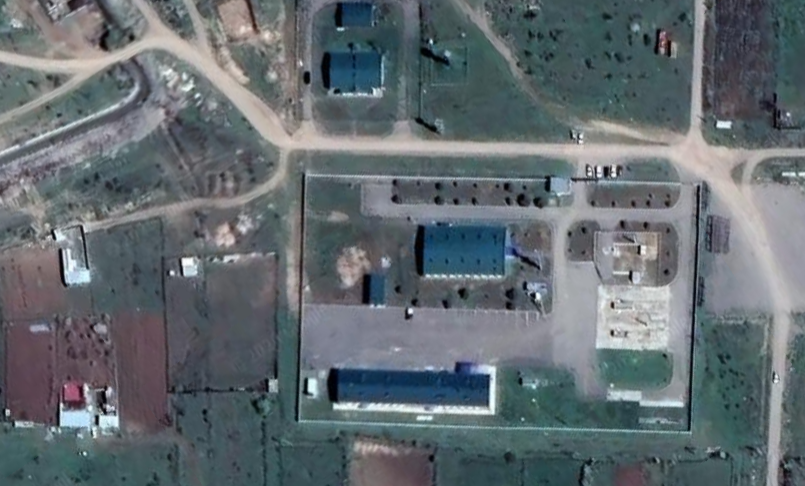
A military facility west of Tskhinvali city. A helipad is located near the base.
Coordinates: 42°13’42″N 43°56’33″E
Source: Google Earth
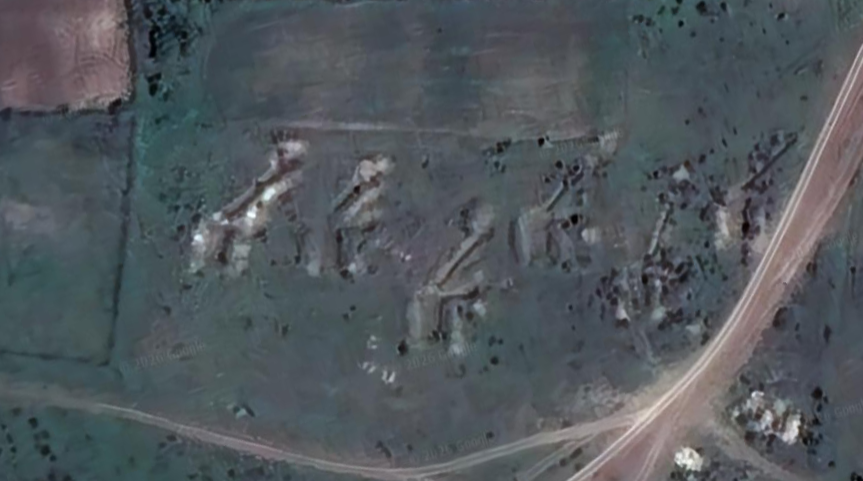
Defensive trenches west of Tskhinvali city.
Coordinates: 42°14’11″N 43°56’36″E
Source:Google Earth
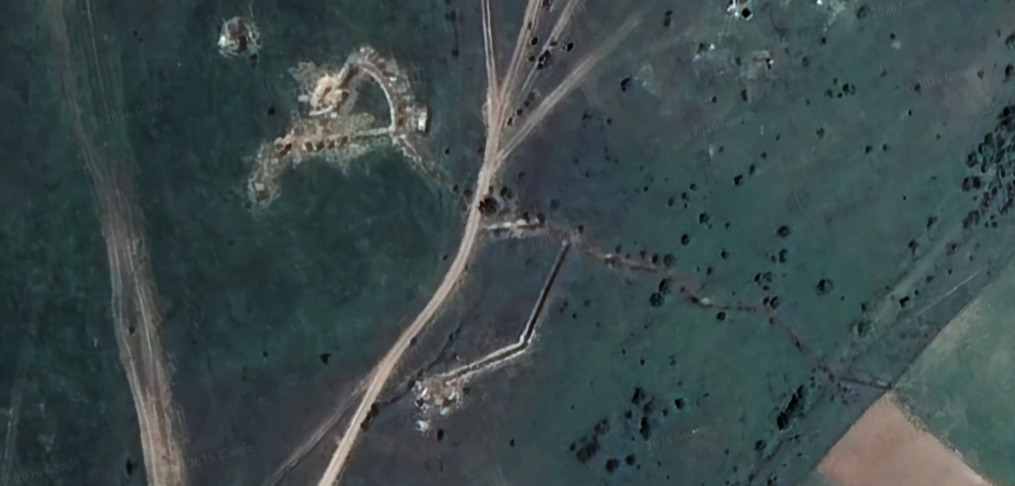
Defensive trenches north of Tbeti village.
Coordinates: 42°14’02″N 43°55’09″E
Source: Google Earth
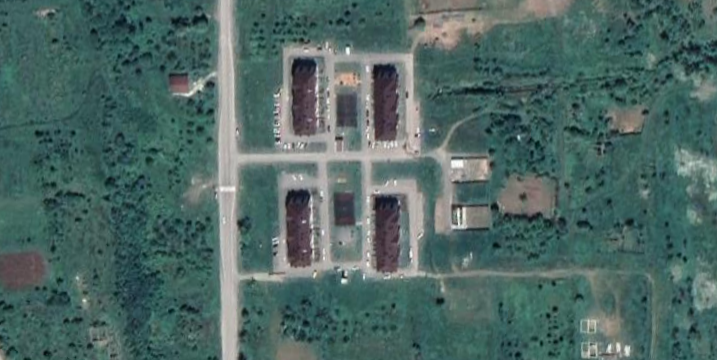
A military facility in Achabeti village, north of Tskhinvali city.
Coordinates: 42°16’17″N 43°57’35″E
Source: Google Earth
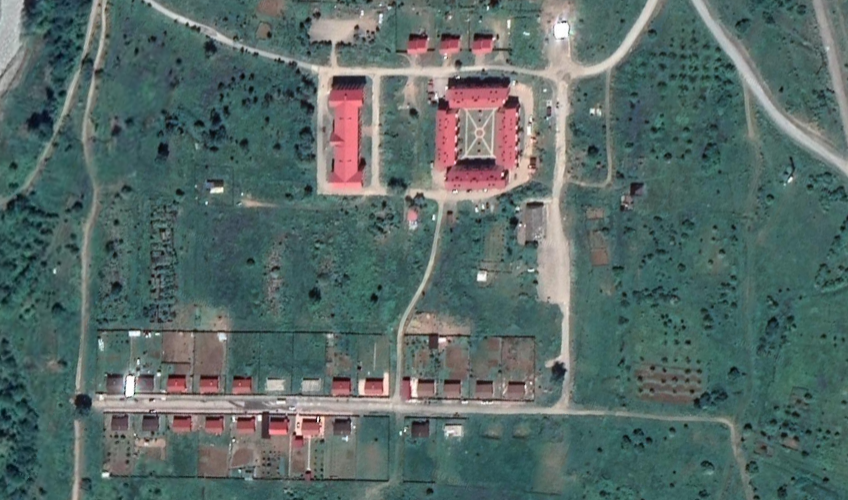
A military facility in Mamita village, north of Tskhinvali city. The area likely includes housing for Russian officers. The facility was built after 2009.
Coordinates: 42°16’36″N 43°58’10″E
Source: Google Earth
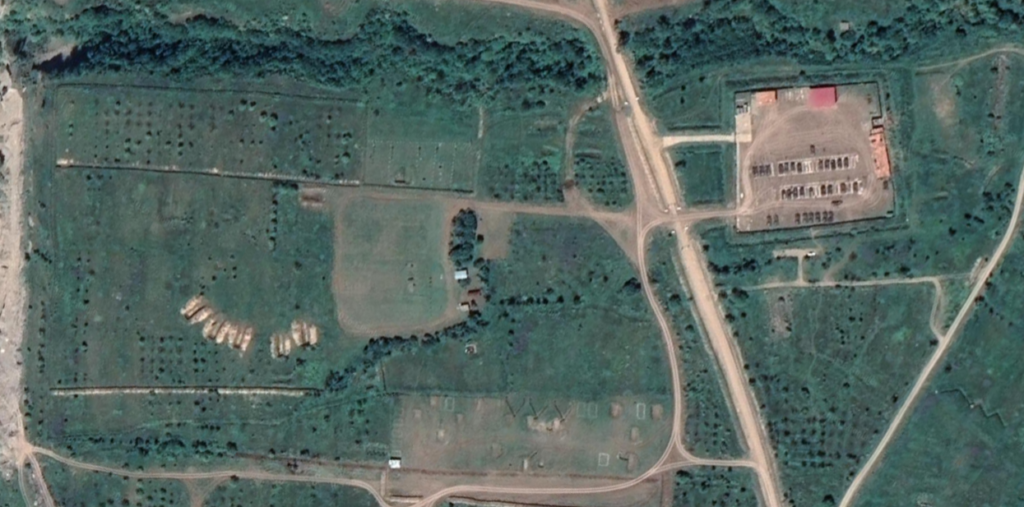
A part of the Dzartsemi military range. The satellite images date back to 2020. Russia has deployed most of the Tskhinvali-based military equipment to the Ukraine war since 2022, and, therefore, the quantity of equipment shown in the image does not reflect the current situation.
Coordinates: 42°18’04″N 43°57’32″E
Source: Google Earth
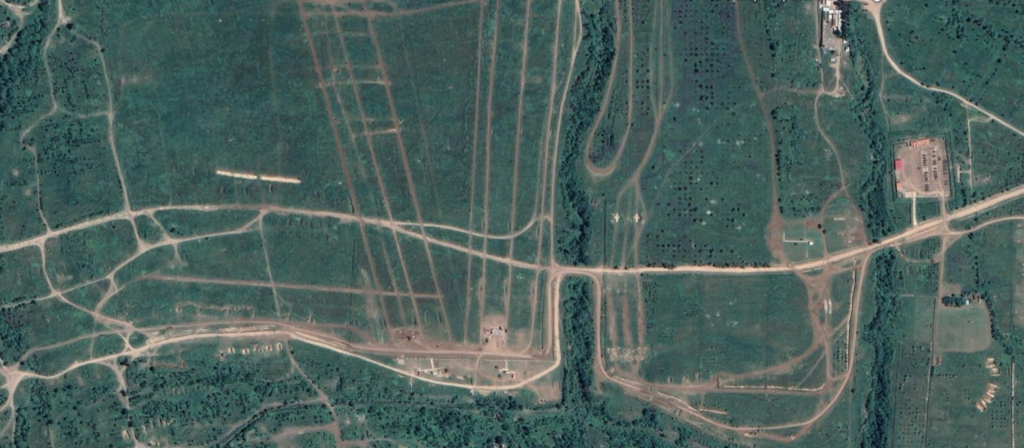
The main part of the Dzartsemi military range. The range stretches from Kemerti village almost 7 kilometers to the northern edge of Tskhinvali city.
Coordinates: 42°18’28″N 43°57’18″E
Source: Google Earth
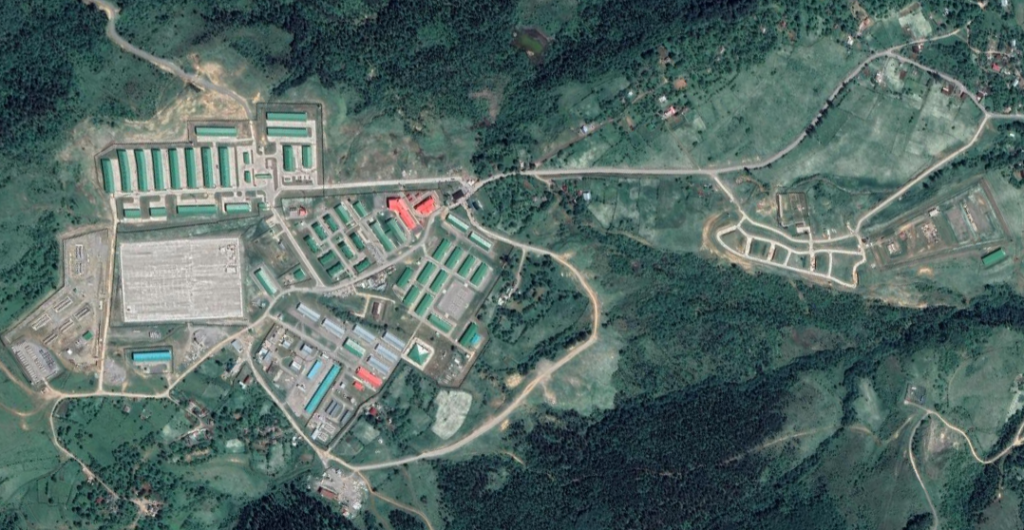
A military town in the town of Java, Java municipality. The satellite image dates back to 2020. Russia has deployed most of the Tskhinvali-based military equipment to the Ukraine war since 2022, and, therefore, the quantity of equipment shown in the image does not reflect the current situation.
Coordinates: 42°23’09″N 43°53’30″E
Source: Google Earth
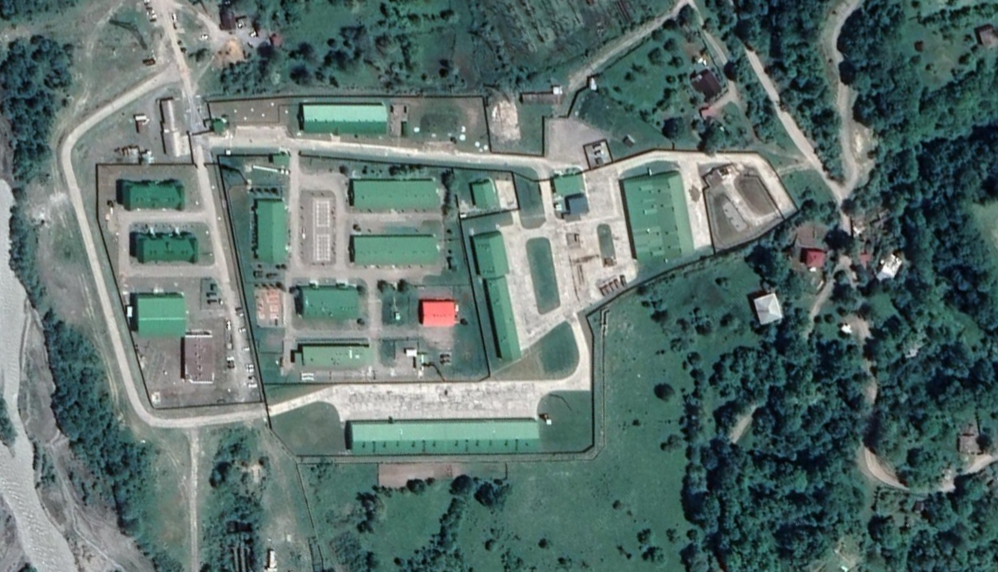
A Russian military base in the town of Java.
Coordinates: 42°22’40″N 43°55’06″E
Source: Google Earth
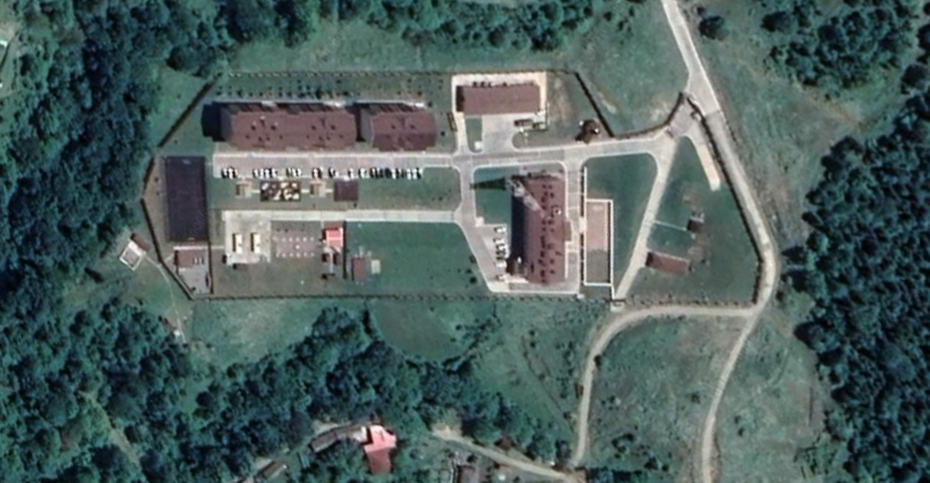
A military facility near Java.
Coordinates: 42°22’22″N 43°55’12″E
Source: Google Earth
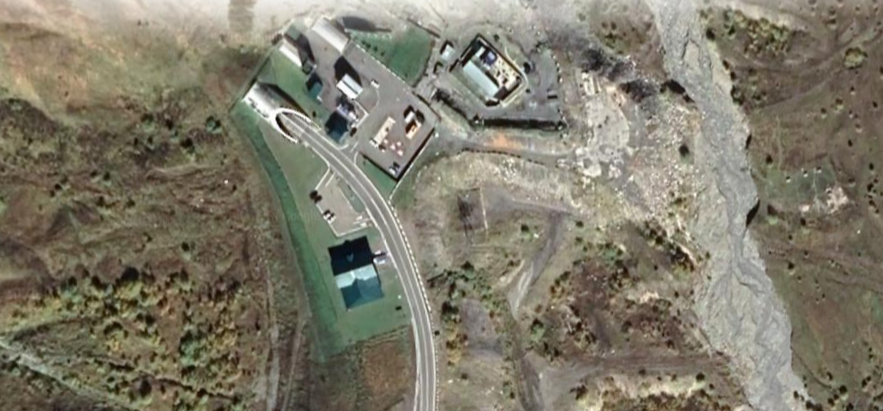
A control post at the southern entrance of the Roki tunnel, under the effective control of Russia’s Federal Security Service (FSB).
Coordinates: 42°36’02″N 44°06’57″E
Source: Google Earth
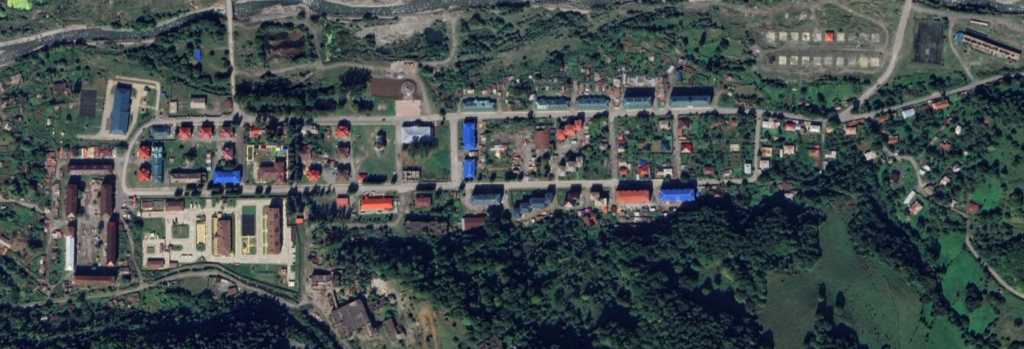
A Russian military base and infrastructure in Kvaisa village, which includes housing for Russian officers and barracks.
Coordinates: 42°31’21″N 43°38’53″E
Source: Google Earth
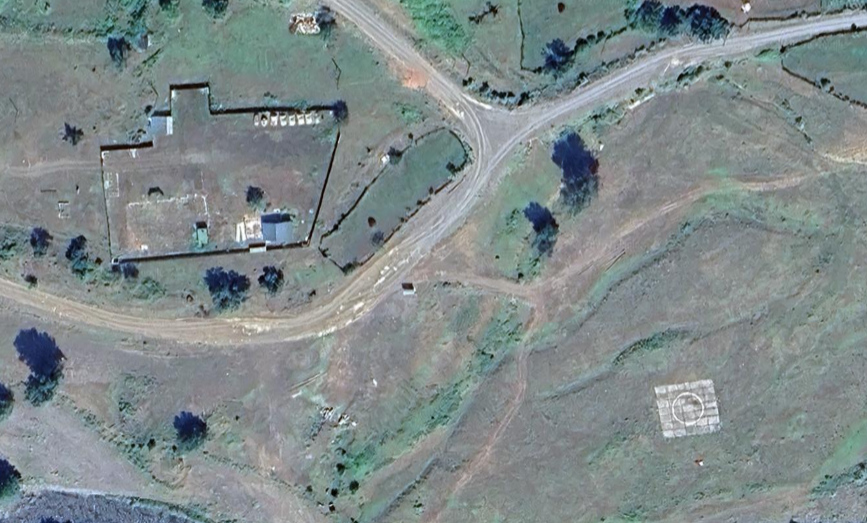
Territory of a former Russian military base, which is thought to have been deconstructed in 2024-2025.
Coordinates: 42°21’24″N 43°37’00″E
Source: Google Earth
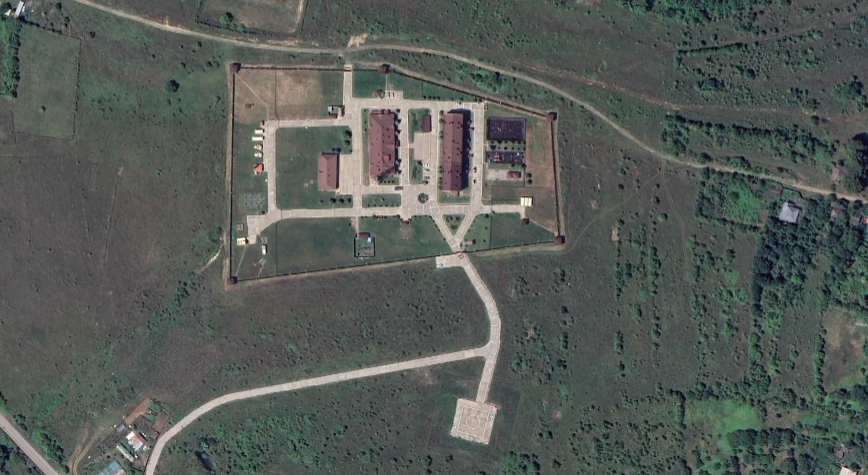
A Russian military base near Vakhtana village.
Coordinates: 42°15’31″N 43°46’26″E
Source: Google Earth
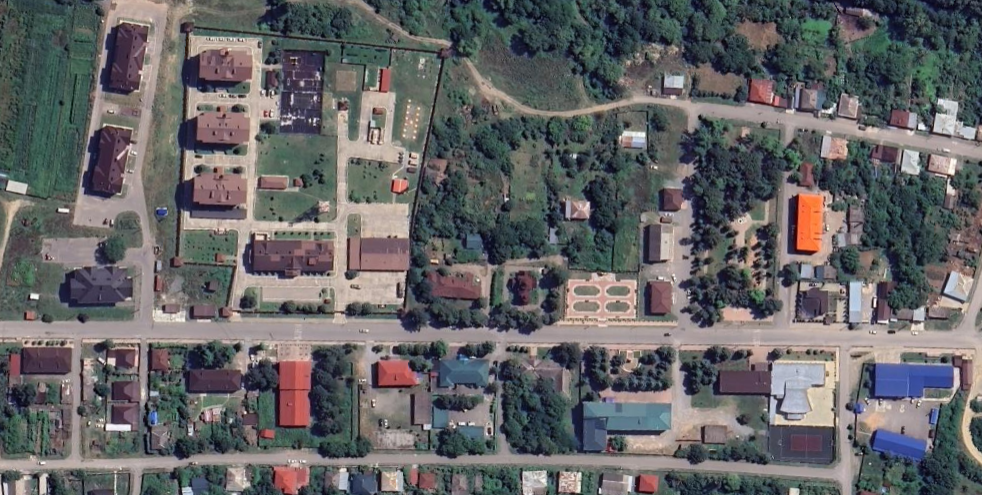
A Russian military base and related infrastructure in Kornisi village.
Coordinates: 42°11’50″N 43°46’24″E
Source: Google Earth
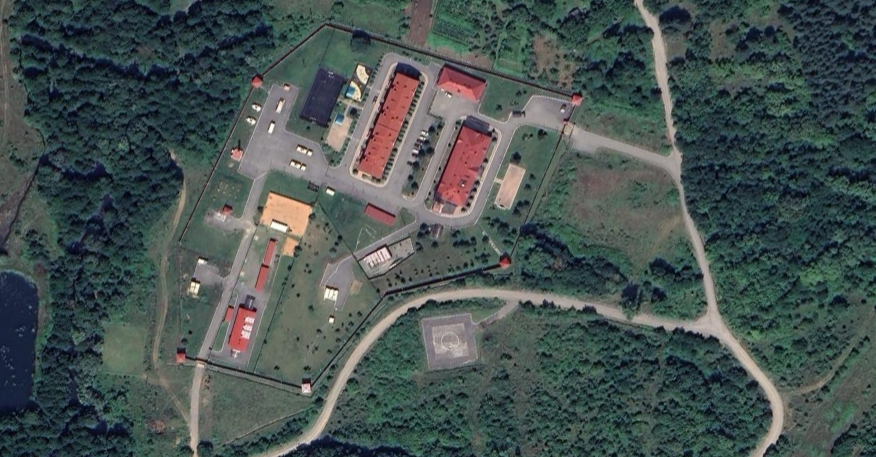
A Russian military base in Seribalta village.
Coordinates: 42°10’28″N 43°43’37″E
Source: Google Earth
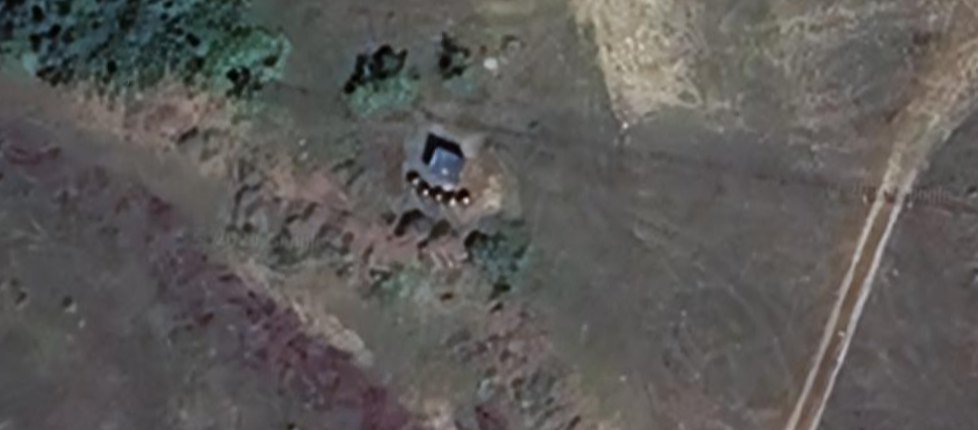
A Russian guard post north of Atotsi village.
Coordinates: 42°10’00″N 43°45’54″E
Source: Google Earth
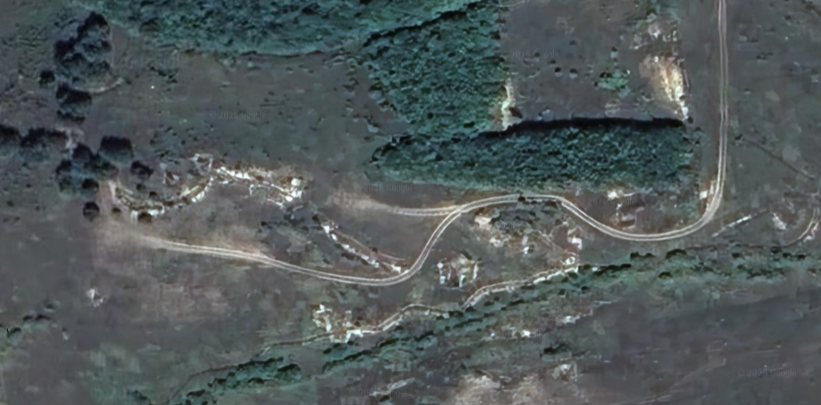
Defensive trenches north of Knolevi village.
Coordinates: 42°09’41″N 43°47’27″E
Source: Google Earth
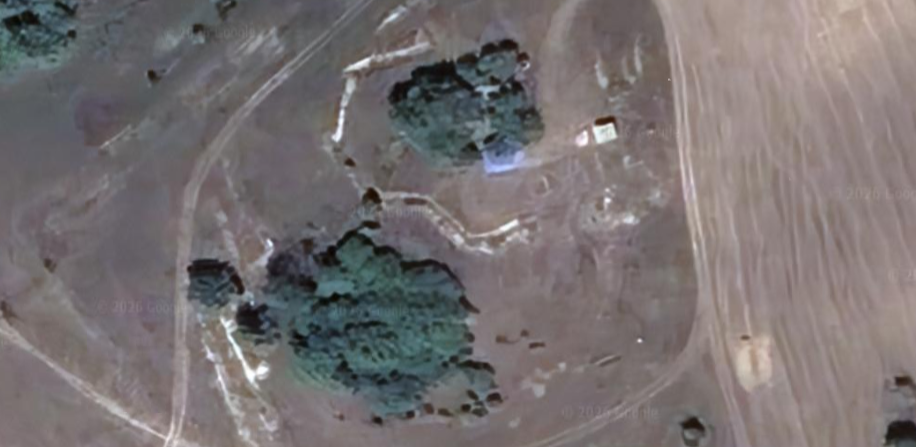
A Russian guard post and defensive trenches near Ioncha village.
Coordinates: 42°07’55″N 43°48’07″E
Source: Google Earth
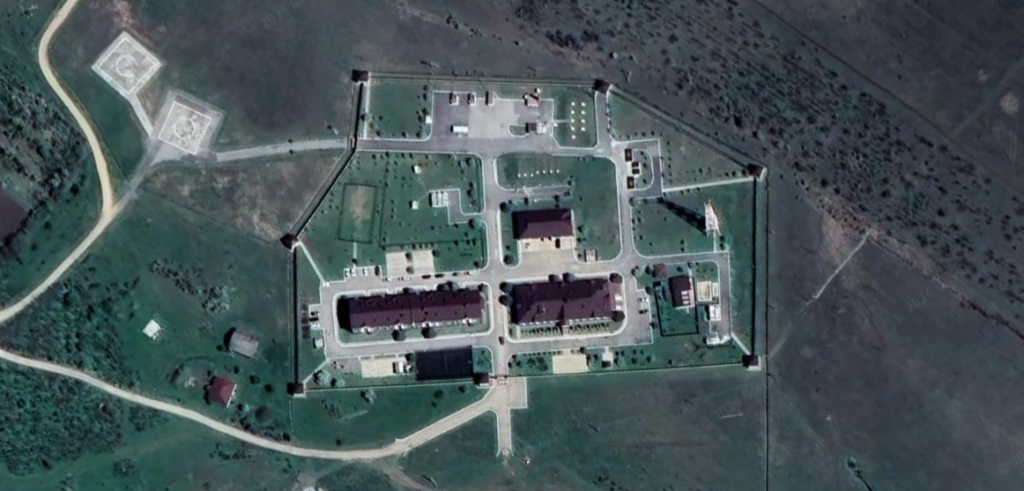
A Russian military base in Dzvileti village.
Coordinates: 42°08’22″N 43°50’47″E
Source: Google Earth
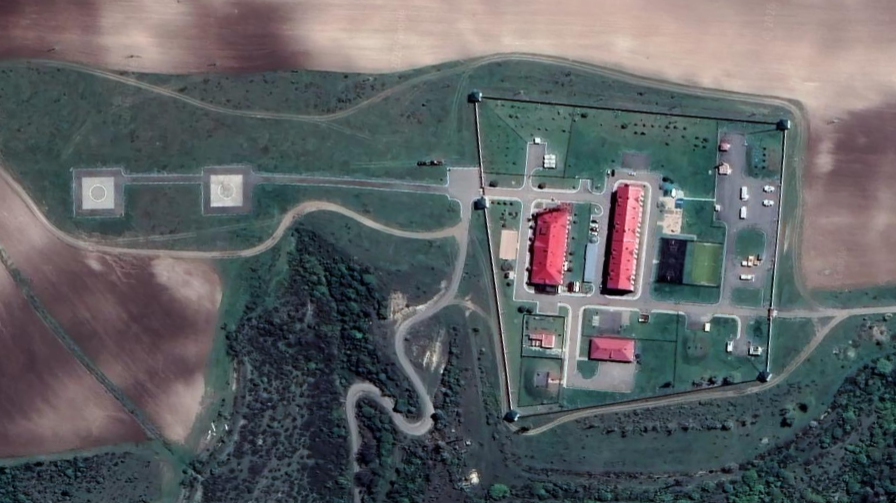
A Russian military base in Didmukha village.
Coordinates: 42°10’26″N 43°53’17″E
Source: Google Earth
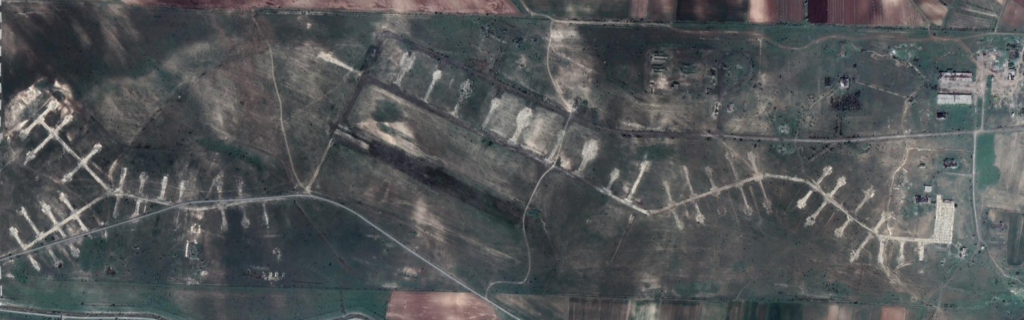
A military area near Nikozi village.
Coordinates: 42°11’25″N 43°56’19″E
Source: Google Earth
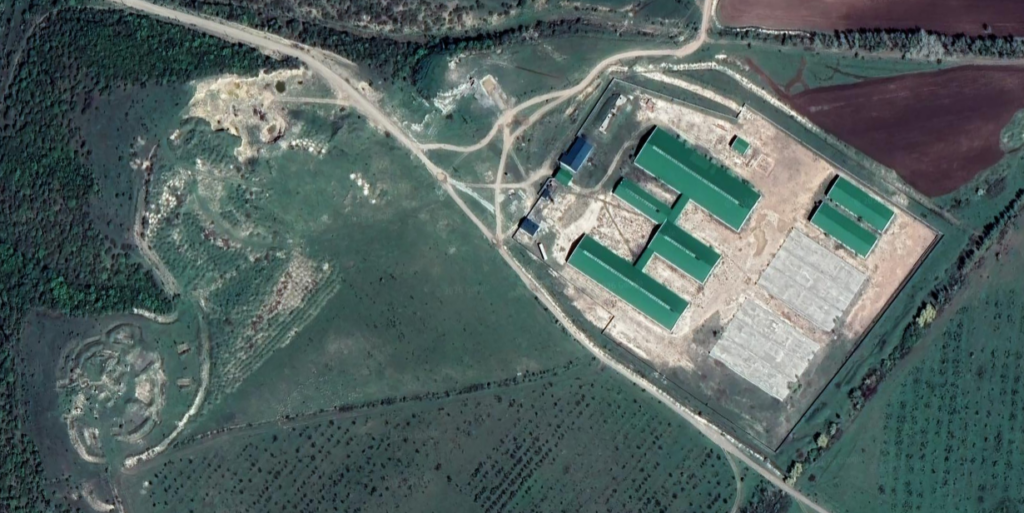
A Russian military base in Avnevi village.
Coordinates: 42°11’26″N 43°53’10″E
Source: Google Earth
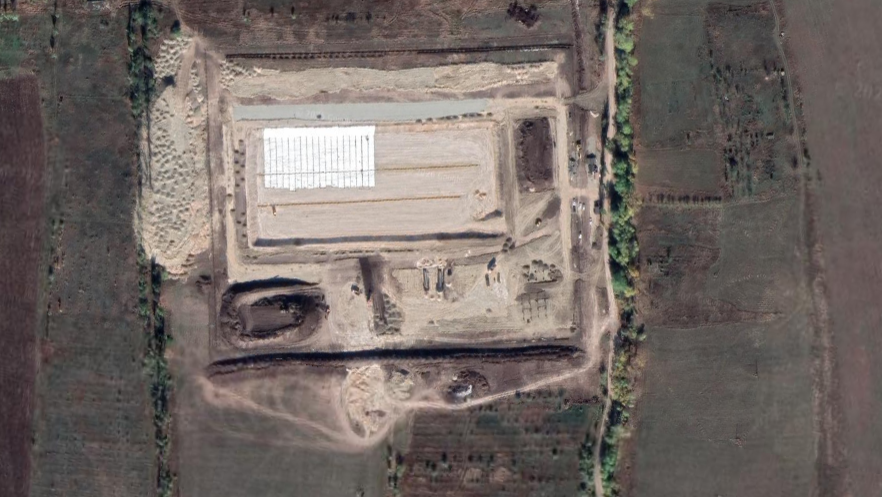
A Russian military facility east of Tskhinvali.
Coordinates: 42°13’48″N 44°01’55″E
Source: Google Earth
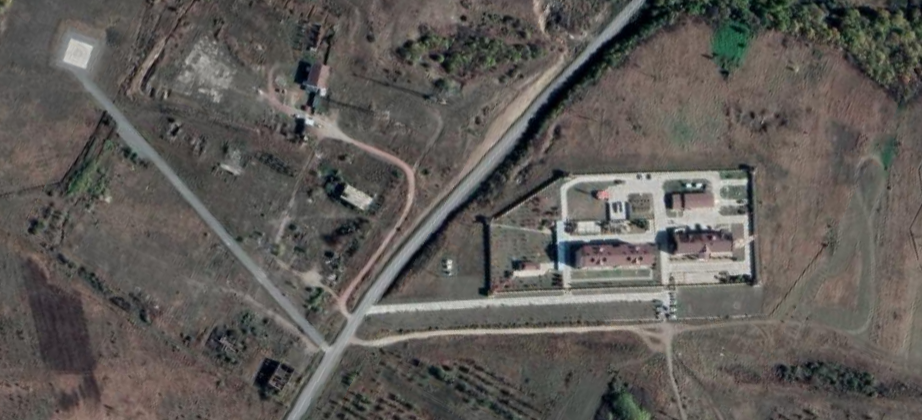
A Russian military base in Eredvi village.
Coordinates: 42°14’50″N 44°03’22″E
Source: Google Earth
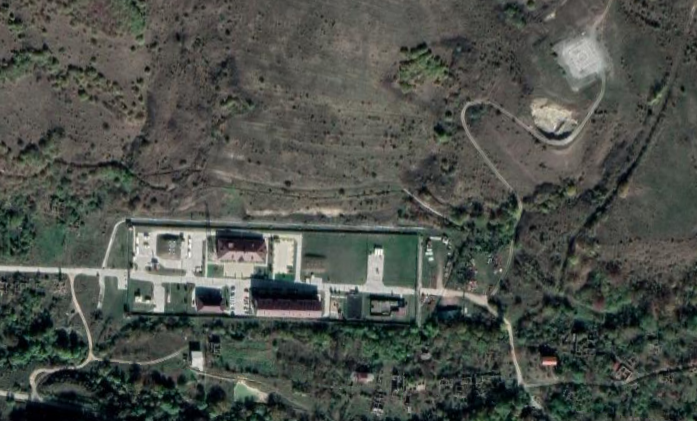
A Russian military base near Disevi village.
Coordinates: 42°13’49″N 44°06’23″E
Source: Google Earth
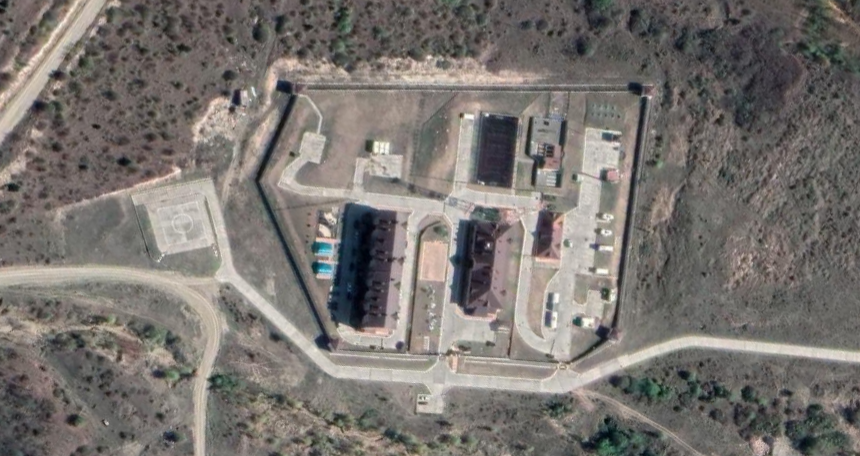
A Russian military base in Arkhispiri village.
Coordinates: 42°09’08″N 44°10’25″E
Source: Google Earth
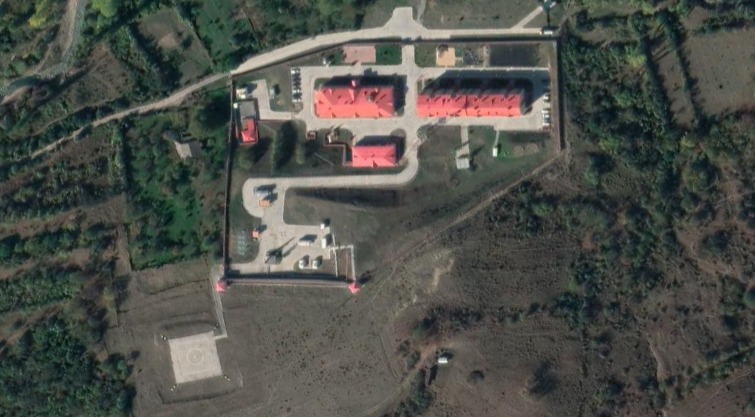
A Russian military base in Gromi village.
Coordinates: 42°09’40″N 44°12’59″E
Source: Google Earth
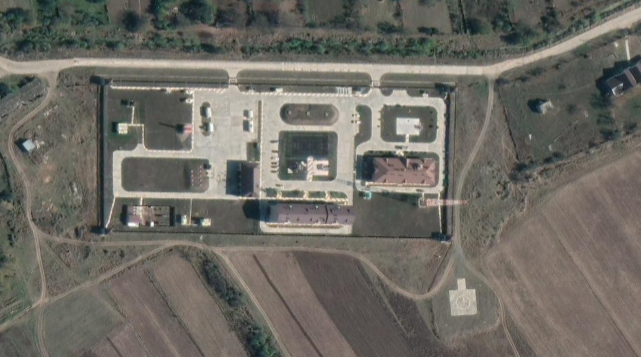
A Russian military base in Gduleti village.
Coordinates: 42°05’03″N 44°17’02″E
Source: Google Earth
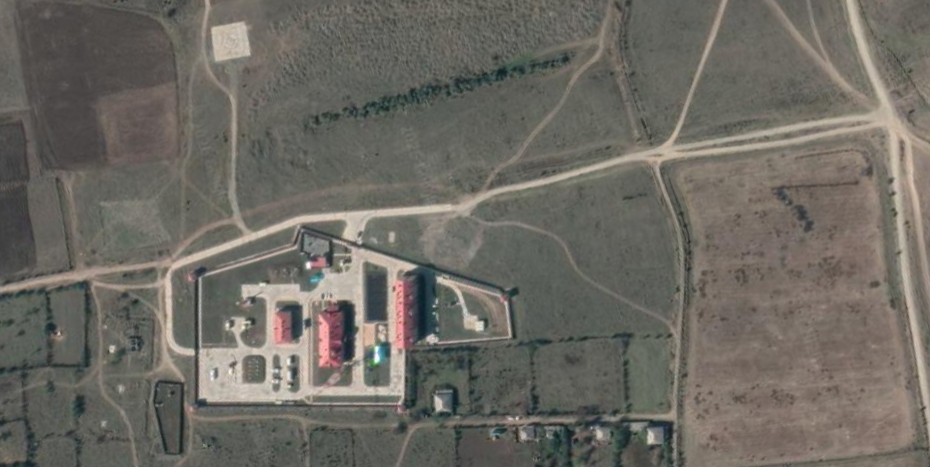
A Russian military base in Orchosani village.
Coordinates: 42°03’30″N 44°19’54″E
Source: Google Earth
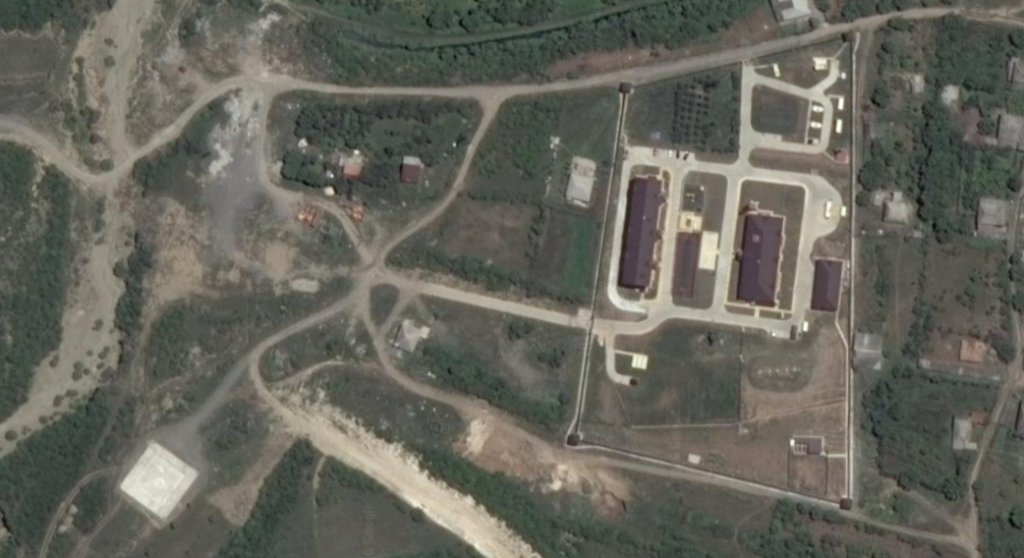
A Russian military base in Akhmaji village.
Coordinates: 42°03’32″N 44°28’45″E
Source: Google Earth
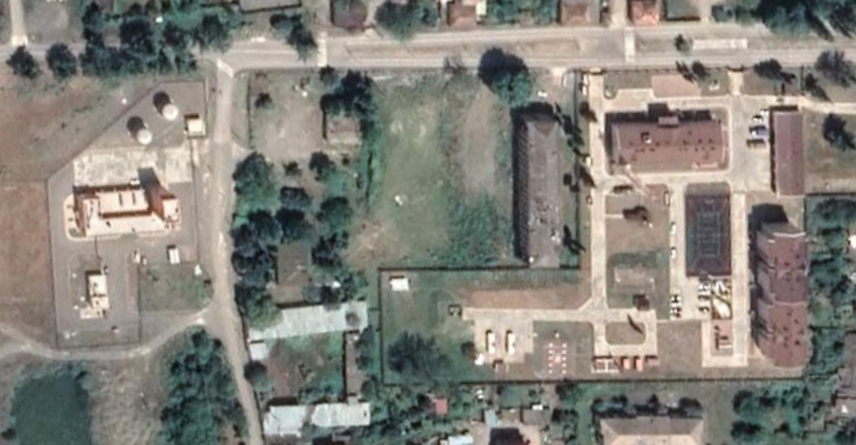
A Russian military base in Akhalgori. A building belonging to the de facto Ministry of Emergency Situations lies west of the base.
Coordinates: 42°07’24″N 44°28’50″E
Source: Google Earth
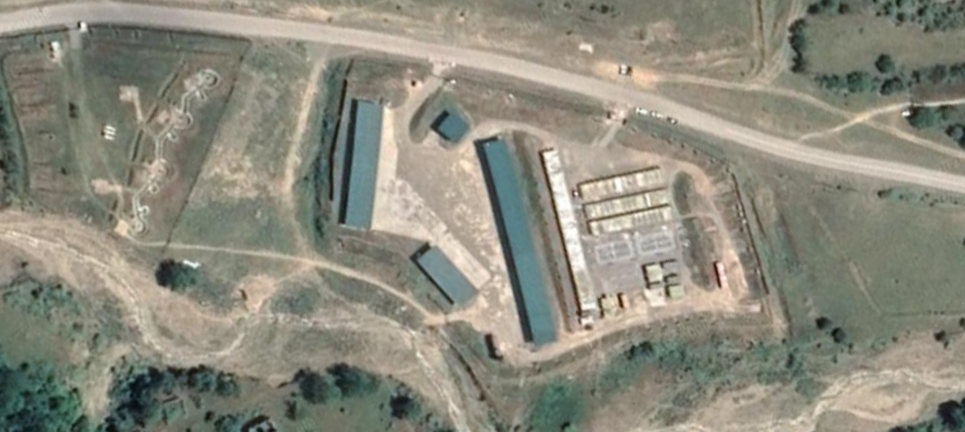
A military facility west of Bazuani village.
Coordinates: 42°09’12″N 44°27’37″E
Source: Google Earth
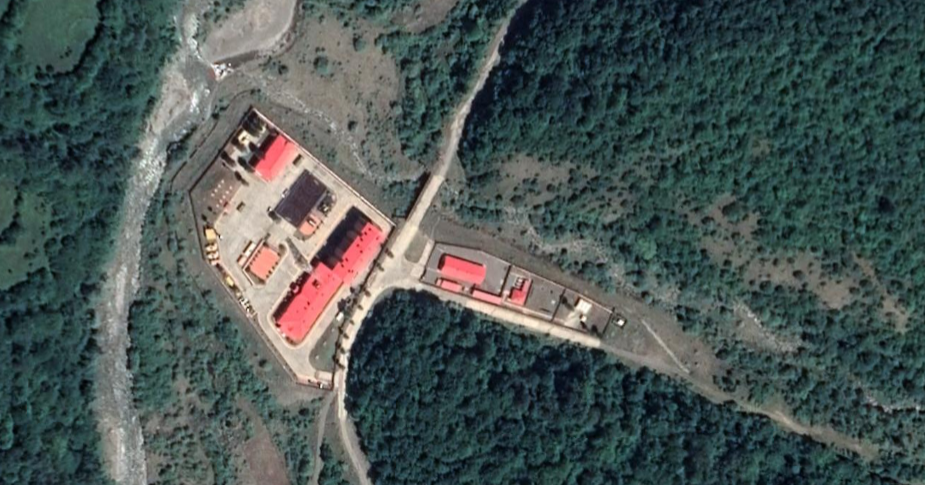
A Russian military base south of Largvisi village.
Coordinates: 42°15’22″N 44°29’00″E
Source: Google Earth
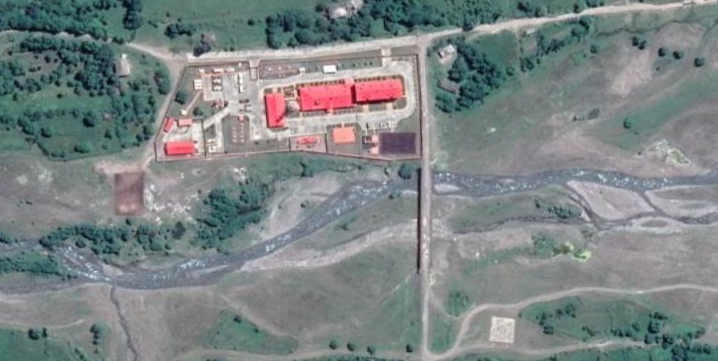
A Russian military base in Balaani village.
Coordinates: 42°20’37″N 44°28’26″E
Source: Google Earth