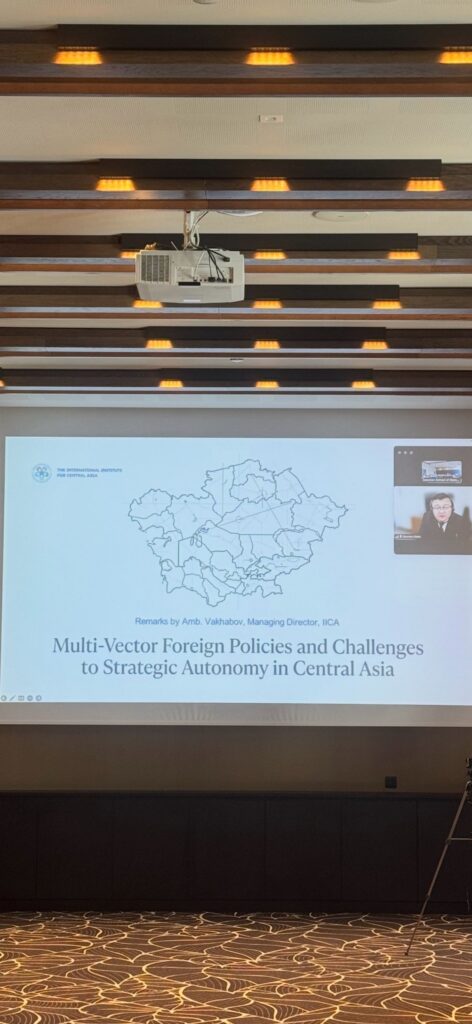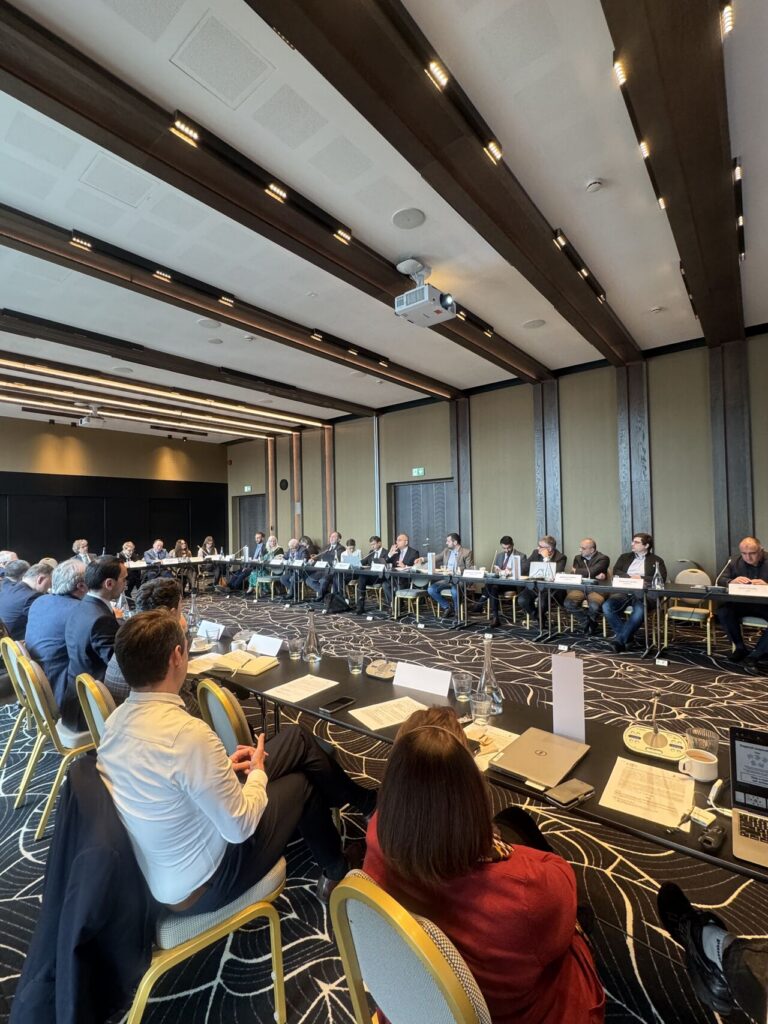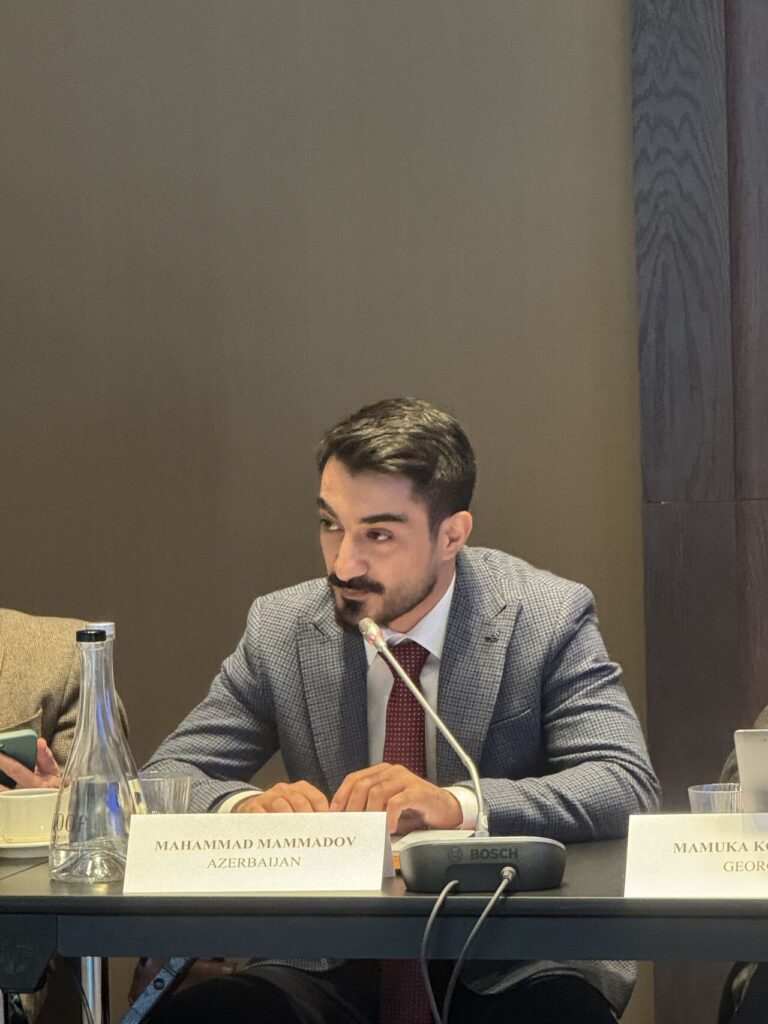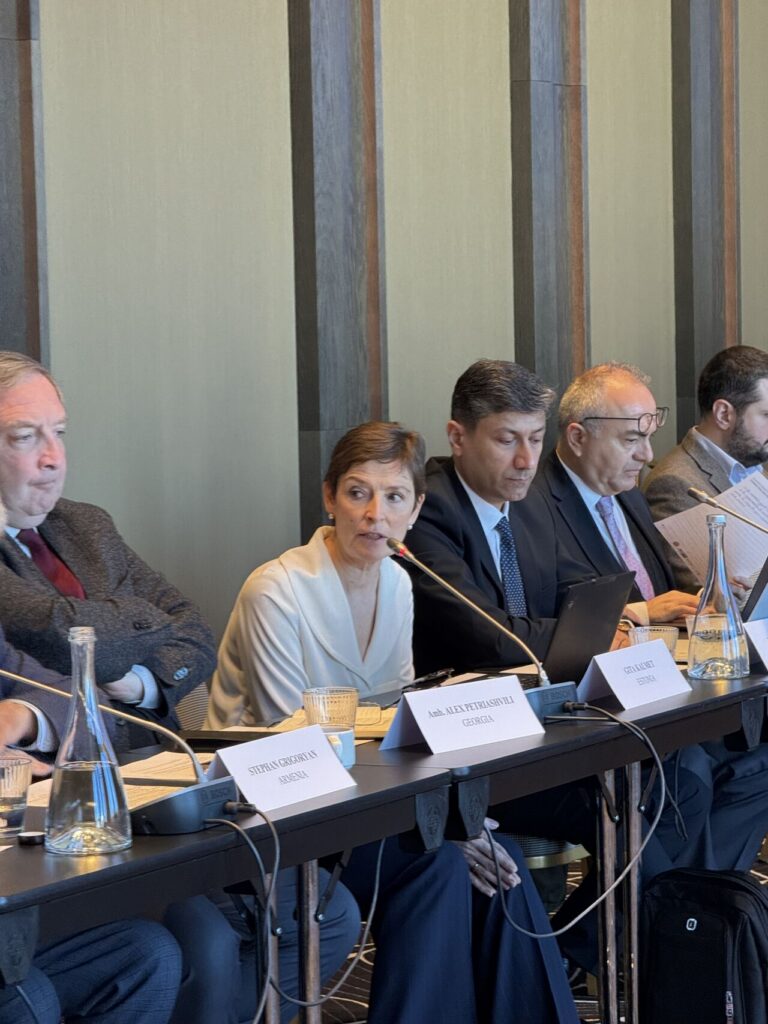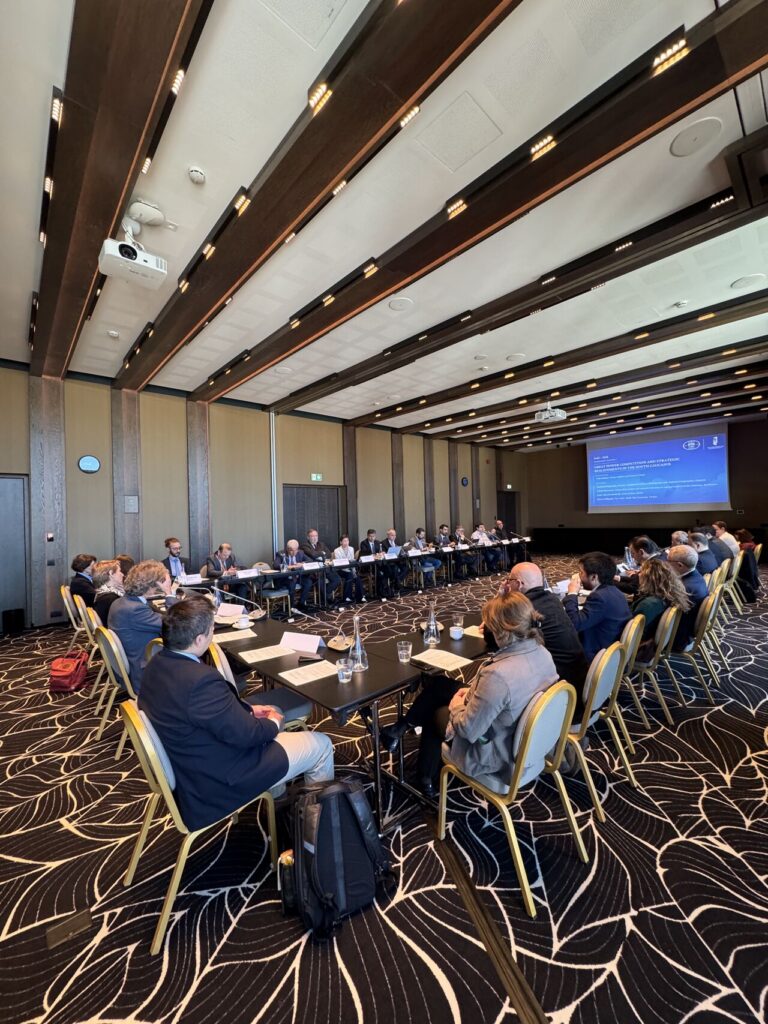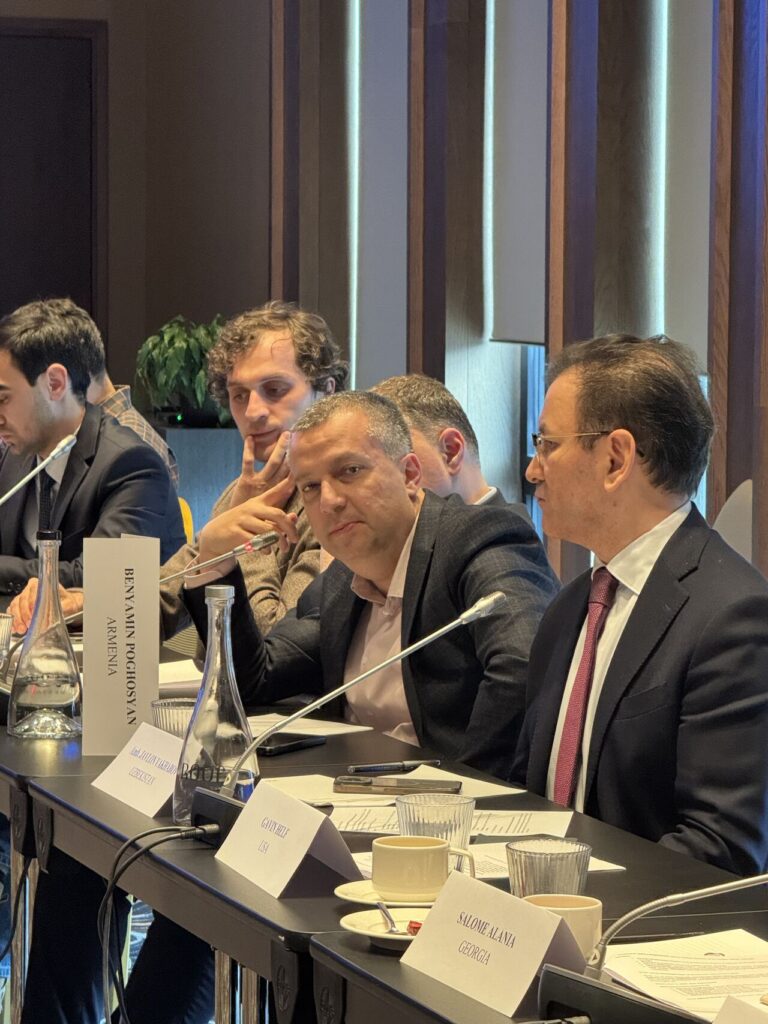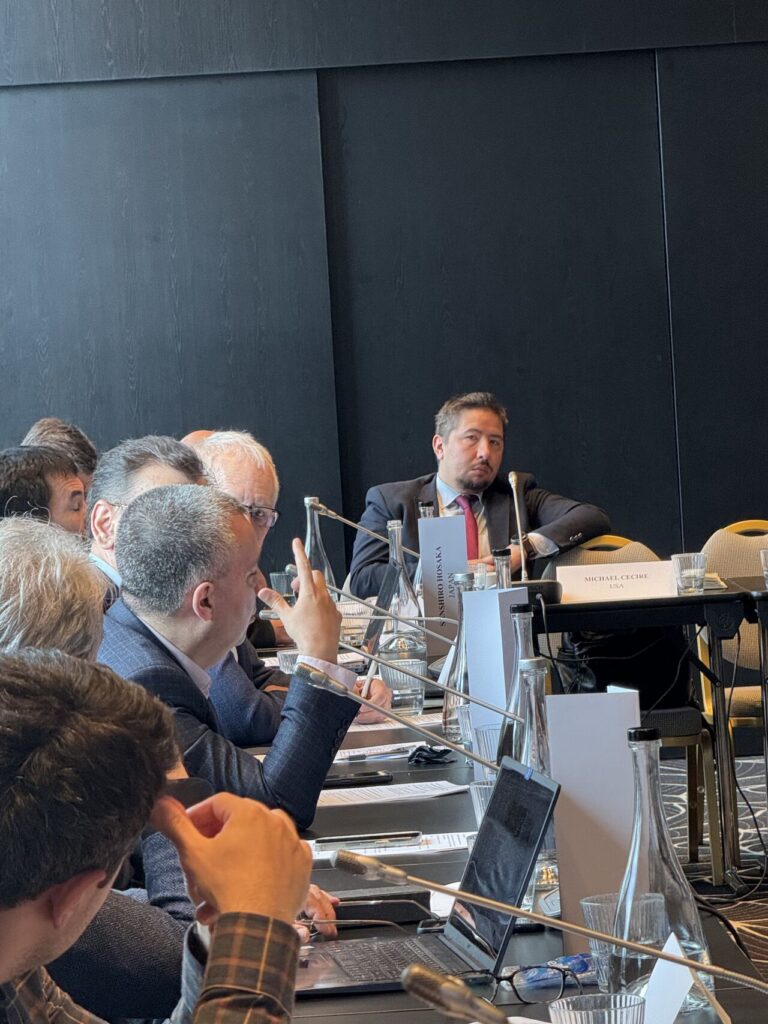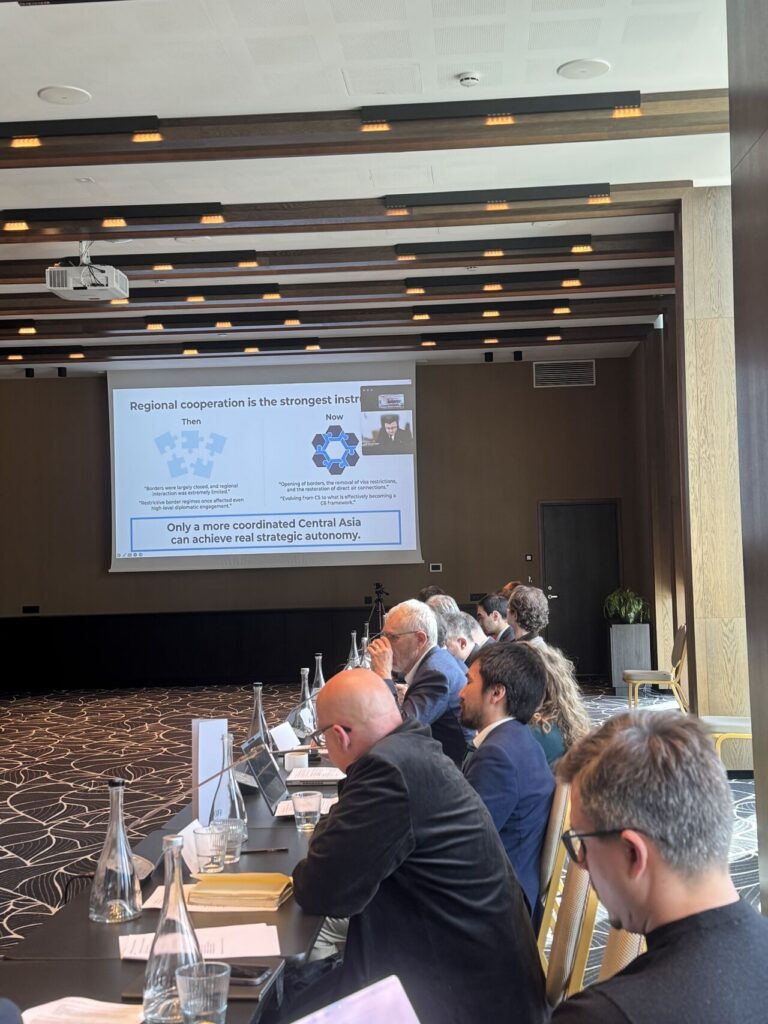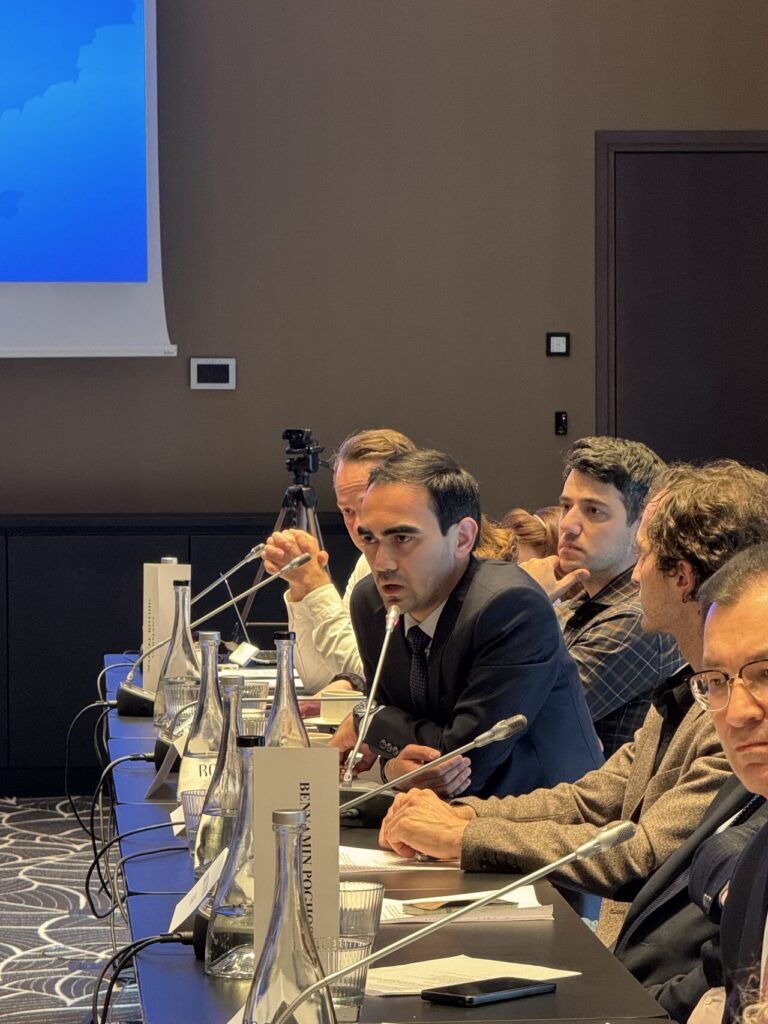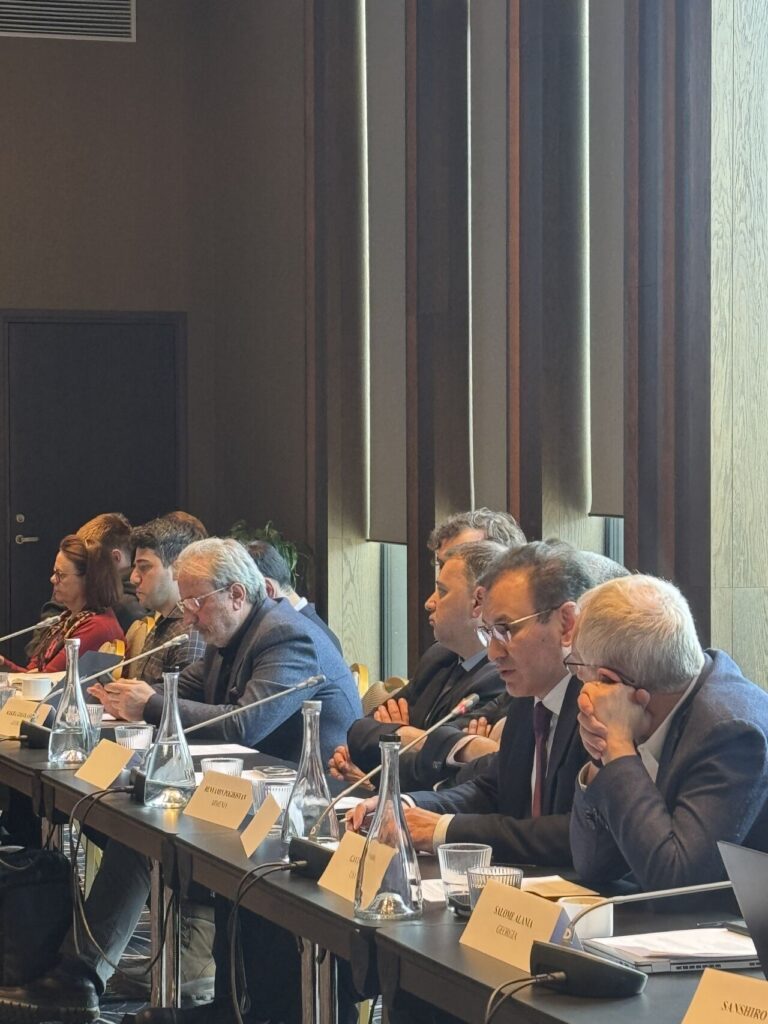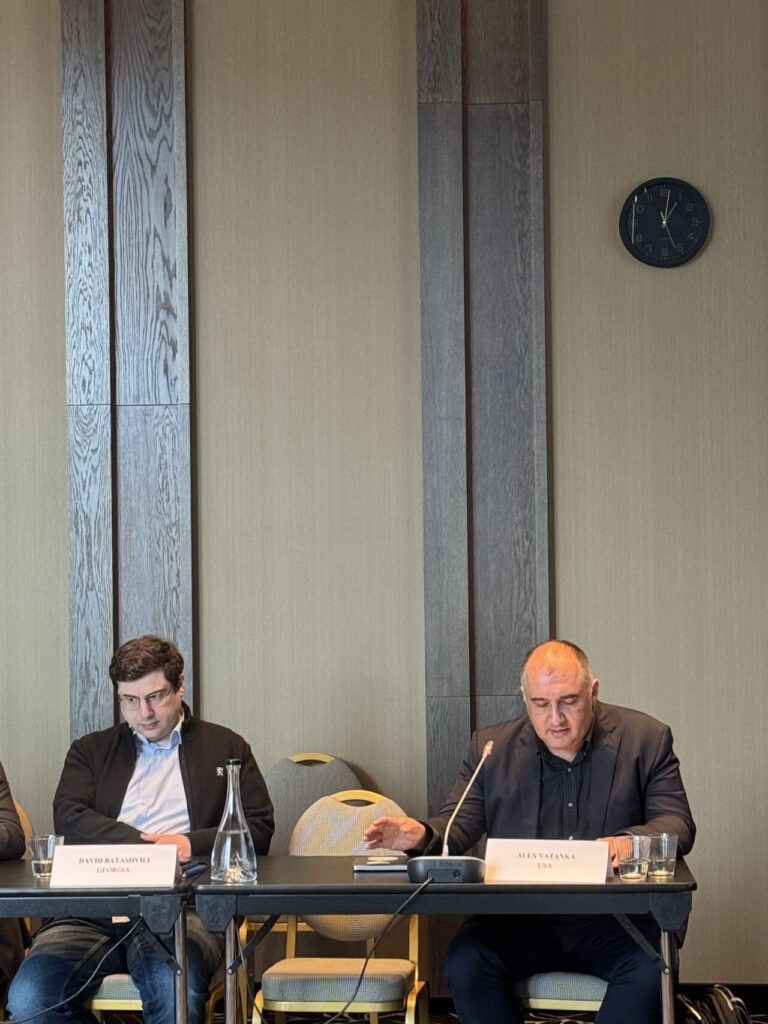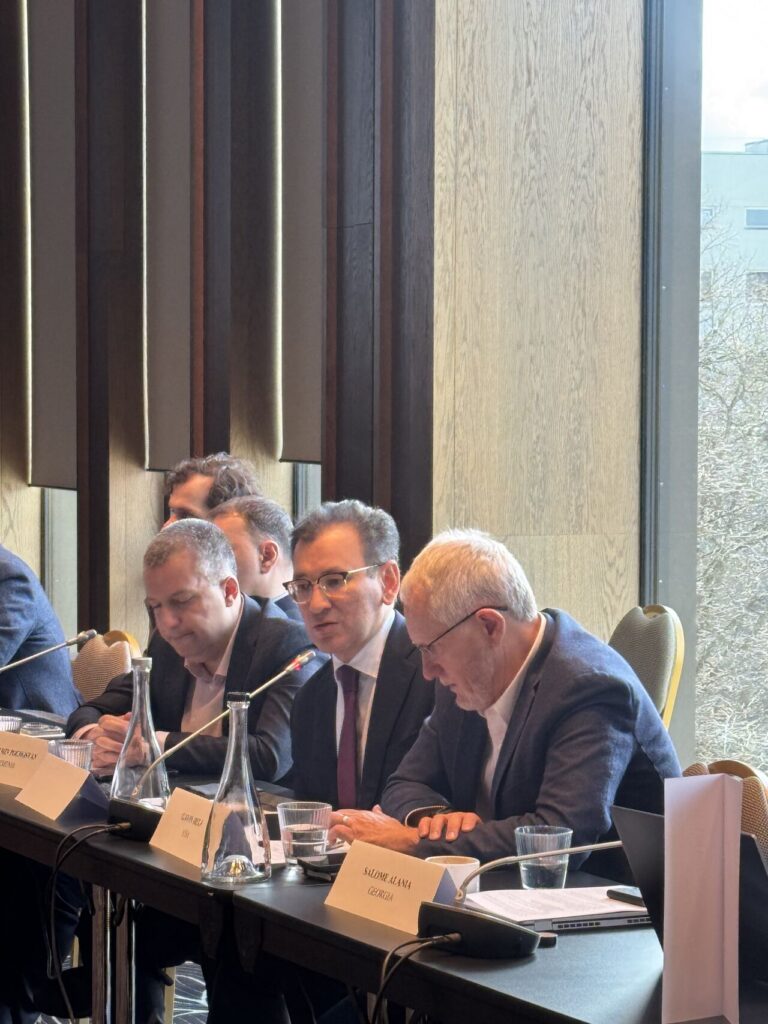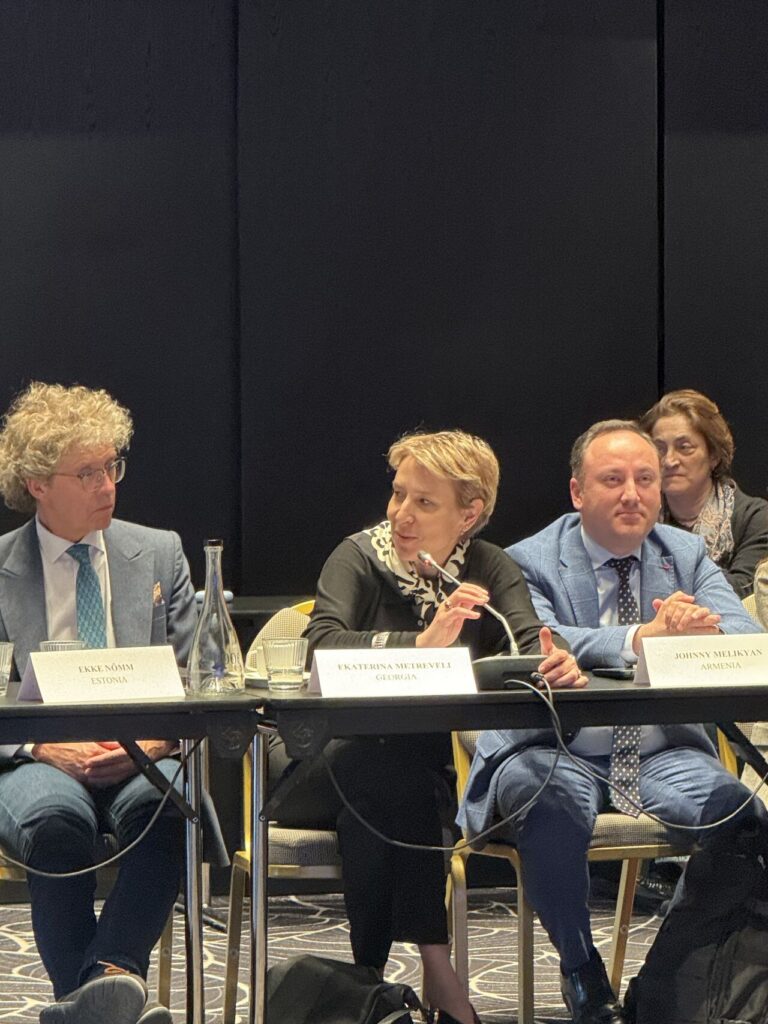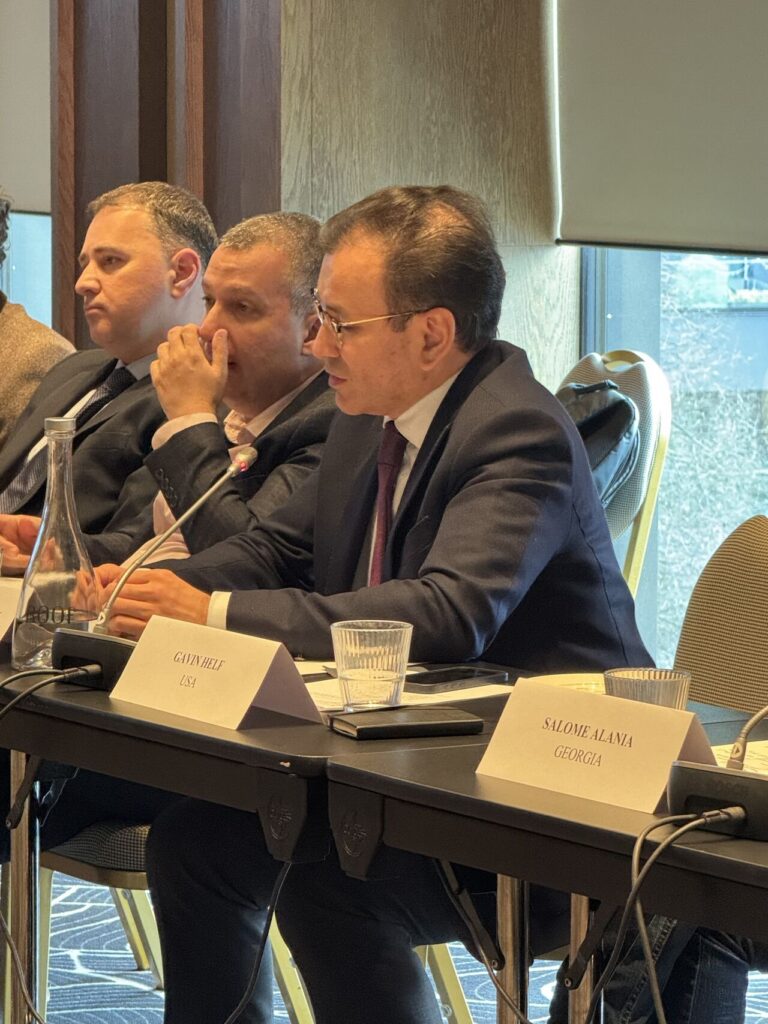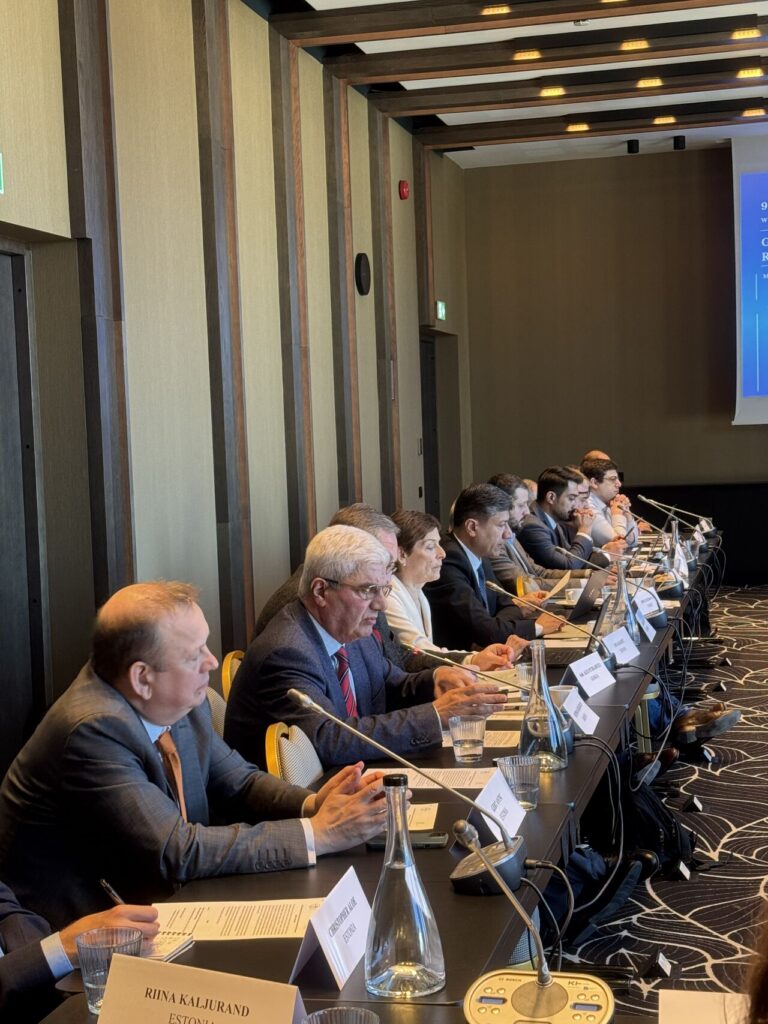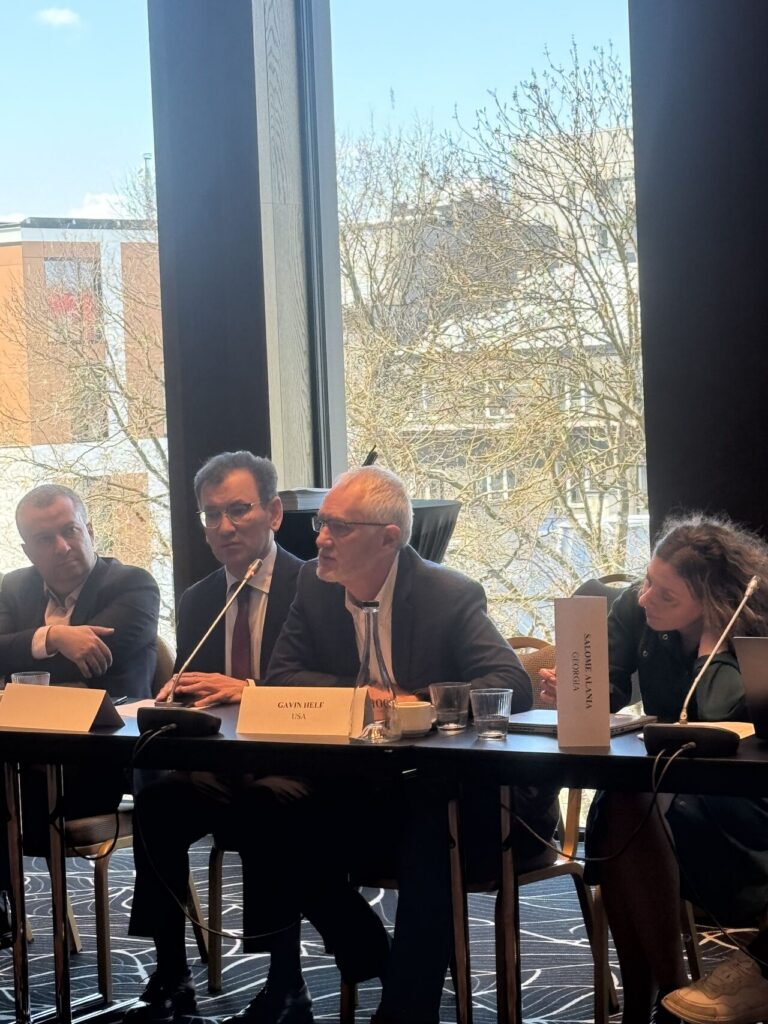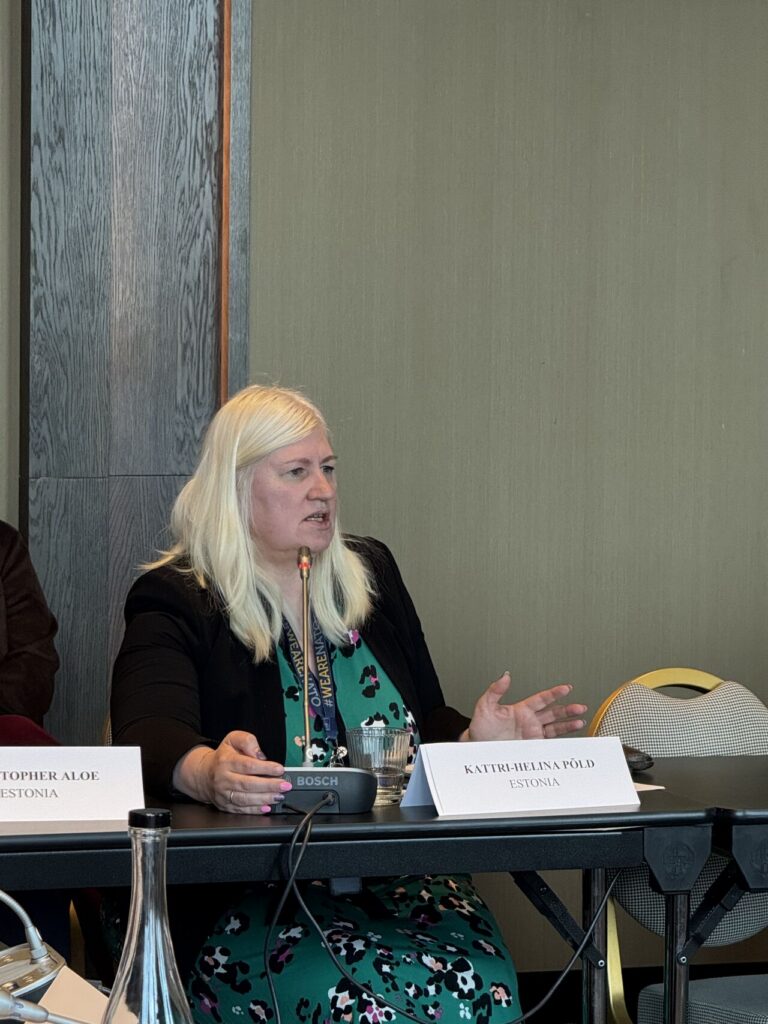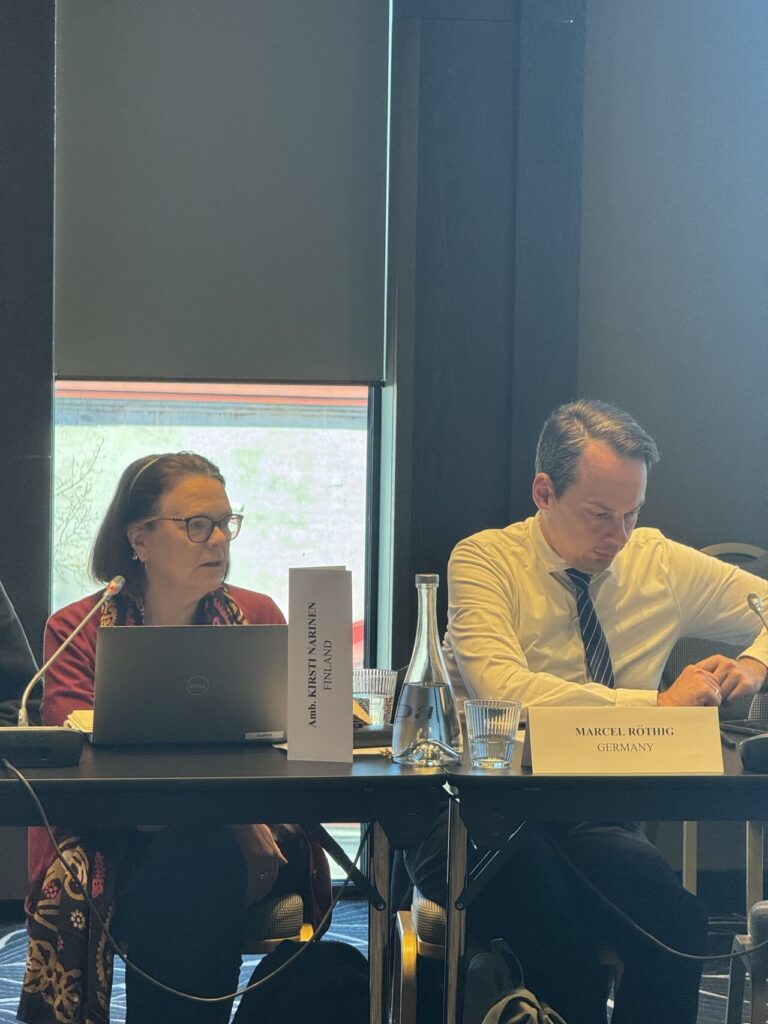
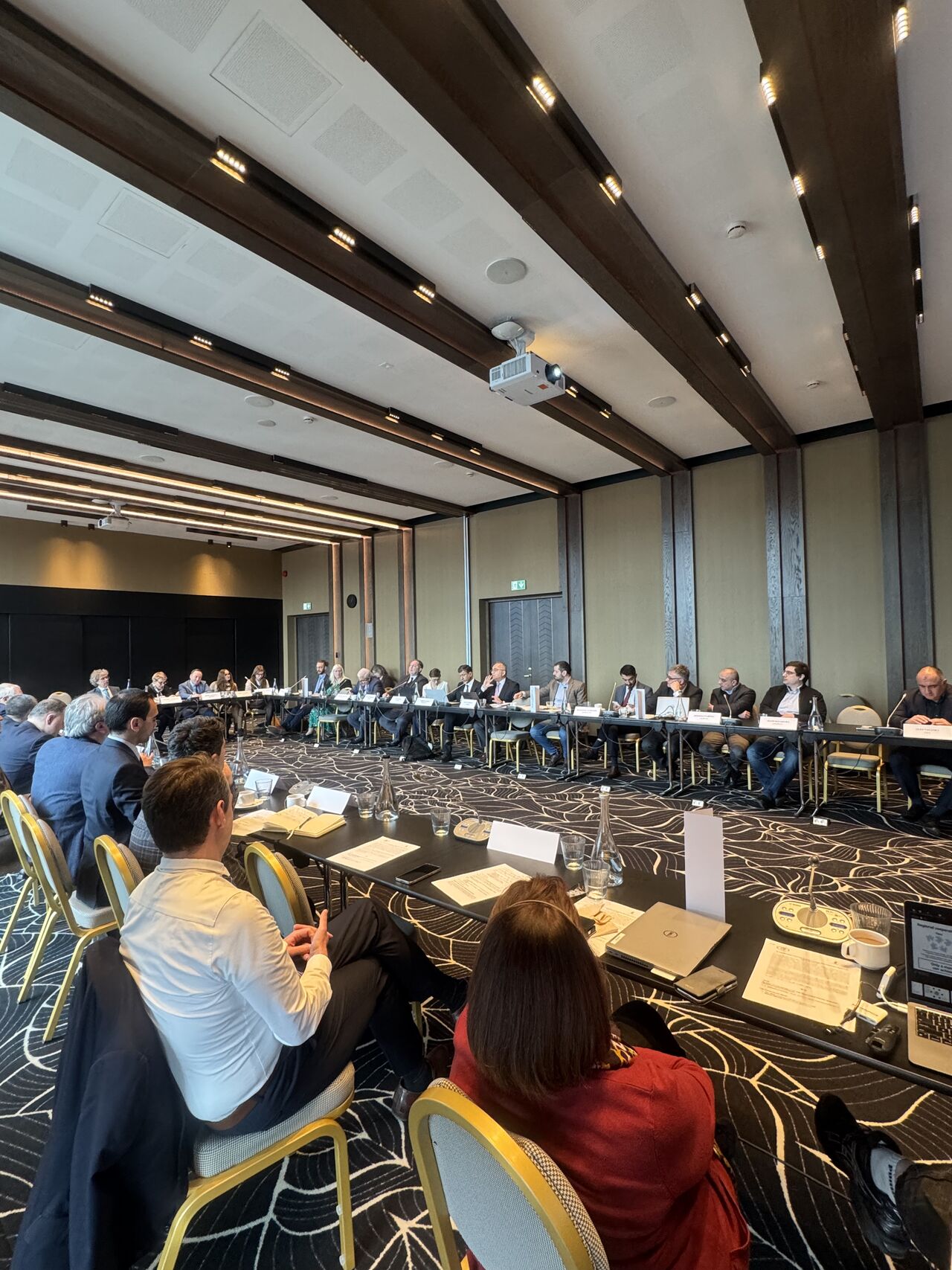
On 28 April 2026, GFSIS-E, in partnership with the Estonian School of Diplomacy, hosted a workshop in Tallinn, Estonia, dedicated to examining the evolving geopolitical landscape of the South Caucasus and Central Asia.
The South Caucasus and Central Asia are increasingly shaped by intensified great power competition involving Russia, China, the United States, the European Union, and key regional actors such as Turkey and Iran. The countries of these regions – Azerbaijan, Armenia, Georgia, Kazakhstan, Uzbekistan, Kyrgyzstan, Tajikistan, and Turkmenistan – are responding to the escalating global great power rivalry and disturbances in the post-Cold War political and economic order by recalibrating their national security strategies and foreign policies, diversifying their economic partnerships, and enhancing regional and inter-regional connectivity. The Russian full-scale invasion of Ukraine, the wars in the Middle East, the US-China competition, and other global and regional tensions have accelerated the struggle for hydrocarbons, critical raw materials, and transit routes, which, in turn, have increased the geopolitical value of regions such as the South Caucasus and Central Asia.
The workshop assessed how competition among major powers and the evolving foreign policies of local states are reshaping the geopolitical landscape of the South Caucasus and Central Asia. Discussions focused on the strategies of domestic and external actors, the quest for energy and critical minerals, and the changing dynamics of trade and transport corridors.
The workshop was held as a closed-door event for invited guests only and adhered to the Chatham House Rule. Experts from the South Caucasian and Central Asian countries, as well as representatives from Estonia, including the Ministry of Foreign Affairs and think tanks, participated in this forward-looking discussion.