
Armenia’s Foreign Policy
On April 20, 2026, Armenian Prime Minister Nikol Pashinyan outlined the conditions under which Armenia would formally seek full membership in the European Union.
Pashinyan addressed the topic during the presentation of the ruling Civil Contract party’s pre-election program.
“Since 2023, the EU Civilian Mission has contributed to the stability of Armenia’s eastern borders. In 2024, the EU Stability and Growth Program was adopted to support Armenia, and, by consensus, EU member states provided assistance under the European Peace Facility. In 2025, Armenia adopted legislation launching its EU accession process. A dialogue on visa liberalisation began, accompanied by an action plan, and consultations on security and defense issues were initiated. That year also saw the signing of the Strategic Agenda for Armenia-EU Partnership. Notably, the Comprehensive and Enhanced Partnership Agreement with the EU has been in force since 2018.
“The Republic of Armenia will continue with the reforms required to meet EU membership criteria. Once these requirements are fully satisfied, accession will depend on a political decision by the EU regarding Armenia’s candidacy. Should the EU be prepared to accept Armenia, an application for full membership will follow. If not, the reforms will nonetheless represent a strategic achievement, as Armenia will have aligned itself with European standards,” Pashinyan stated.
Addressing Armenia’s relations with the Eurasian Economic Union, Pashinyan acknowledged that it is not feasible to hold simultaneous membership in both the Eurasian Economic Union and the European Union.
“However, as long as reforms aligned with EU accession remain compatible with Eurasian Economic Union membership, Armenia will continue to participate in the Eurasian bloc and maintain trade and economic relations with its member states,” the Prime Minister added.
The Prime Minister’s press secretary, Nazeli Baghdasaryan, refuted media claims suggesting Armenia is ceding the village of Djiliza to Georgia as part of the Georgian-Armenian border demarcation process.
“Any claim or suggestion regarding the intention, plan, or agreement to transfer any part of Armenia’s sovereign territory to another state is entirely unfounded. We have consistently rejected, and will continue to reject, such fabricated information,” Baghdasaryan wrote on Facebook.
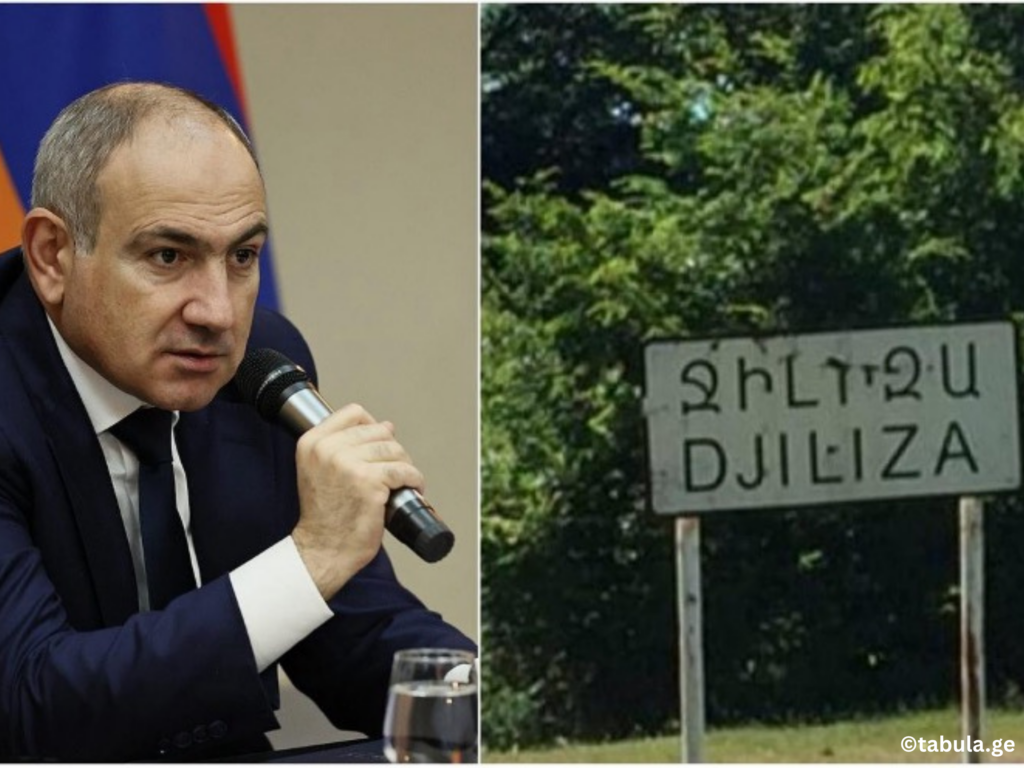
Unsubstantiated media reports previously alleged that Armenia would transfer the village of Jiliza to Georgia as part of the Armenian-Georgian border demarcation process.
On April 27, Armenian Prime Minister Nikol Pashinyan emphasized the significance of border demarcation with neighbouring states and confirmed that concluding the demarcation process with Georgia remains a government priority.
Prime Minister Nikol Pashinyan condemned the burning of the Turkish flag by participants in the April 23 torchlight procession in Yerevan organized by the Armenian Revolutionary Federation (ARF) on the eve of the Armenian Genocide anniversary, characterising the act as deliberately provocative and inflammatory.
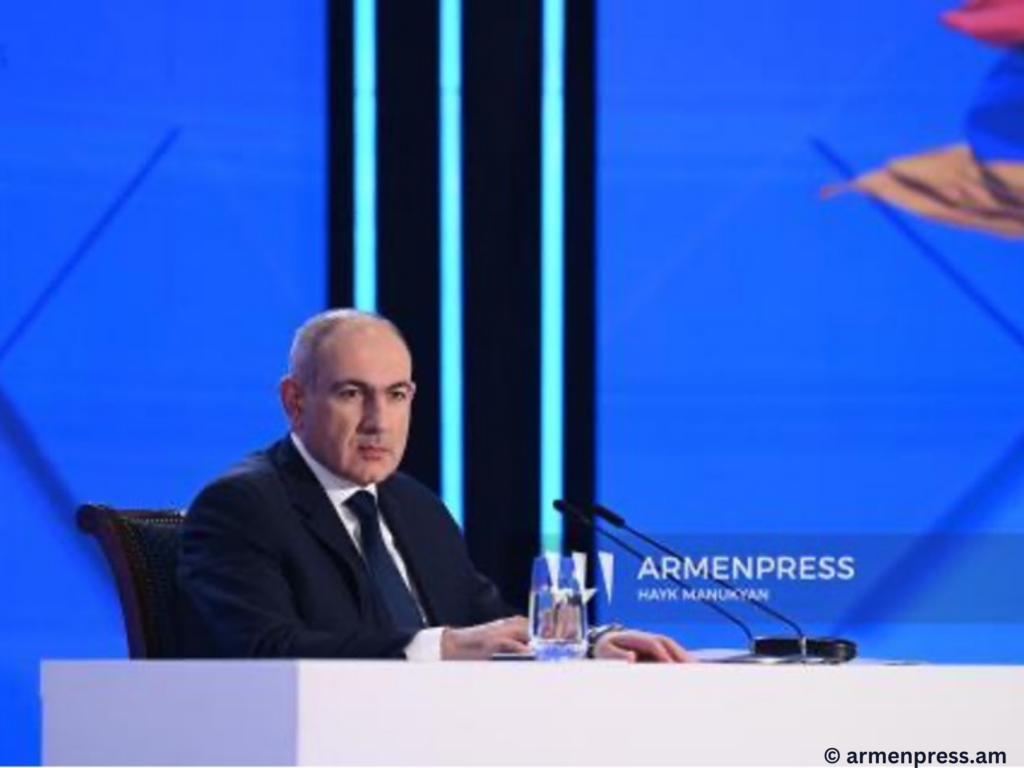
Regarding the incident, Prime Minister Pashinyan’s press secretary, Nazeli Baghdasaryan, stated: “Prime Minister Pashinyan unequivocally condemns this action, describing it as irresponsible and unacceptable. The burning of the flag of an internationally recognized, neighbouring state is, by any standard, provocative and inflammatory behaviour unbefitting of our country’s values.”
Armenia’s Domestic Policy
On April 16, 2026, Armenian authorities arrested 14 members of the opposition party “Strong Armenia.” According to lawyer Yura Dilanyan, the Anti-Corruption Committee conducted searches at several party offices in Artashat throughout the morning and detained several party members.
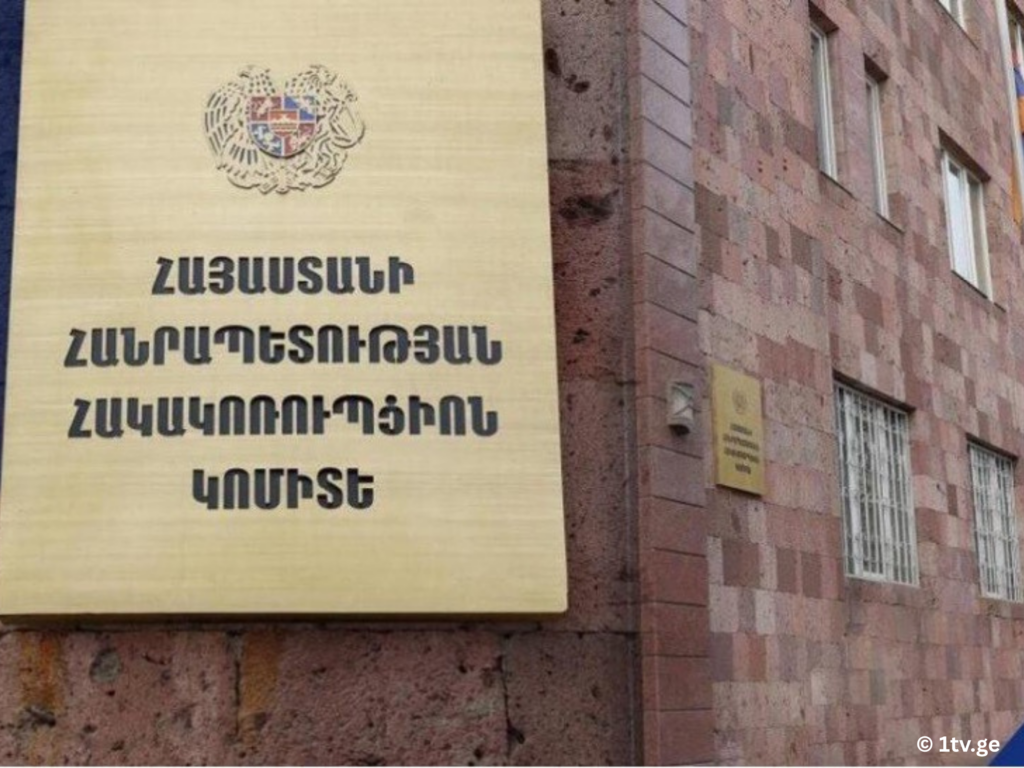
“Since this morning, we have been trying to ascertain the whereabouts and legal status of those detained, but no information has been provided. Despite repeated attempts, we have been denied entry to the Anti-Corruption Committee building to represent our clients,” the lawyer stated.
Meanwhile, the Anti-Corruption Committee of Armenia released a statement concerning the detention of Gohar Meloyan, a member of the Strong Armenia party, along with other supporters and party members, noting that 14 individuals were detained as part of a criminal investigation into alleged electoral bribery.
Normalisation Process of Armenian-Azerbaijani Relations
On April 17, 2026, in Istanbul, Armenian National Assembly Speaker Alen Simonyan met with Numan Kurtulmuş, Speaker of the Grand National Assembly of Turkey, during the 152nd Inter-Parliamentary Union Assembly.
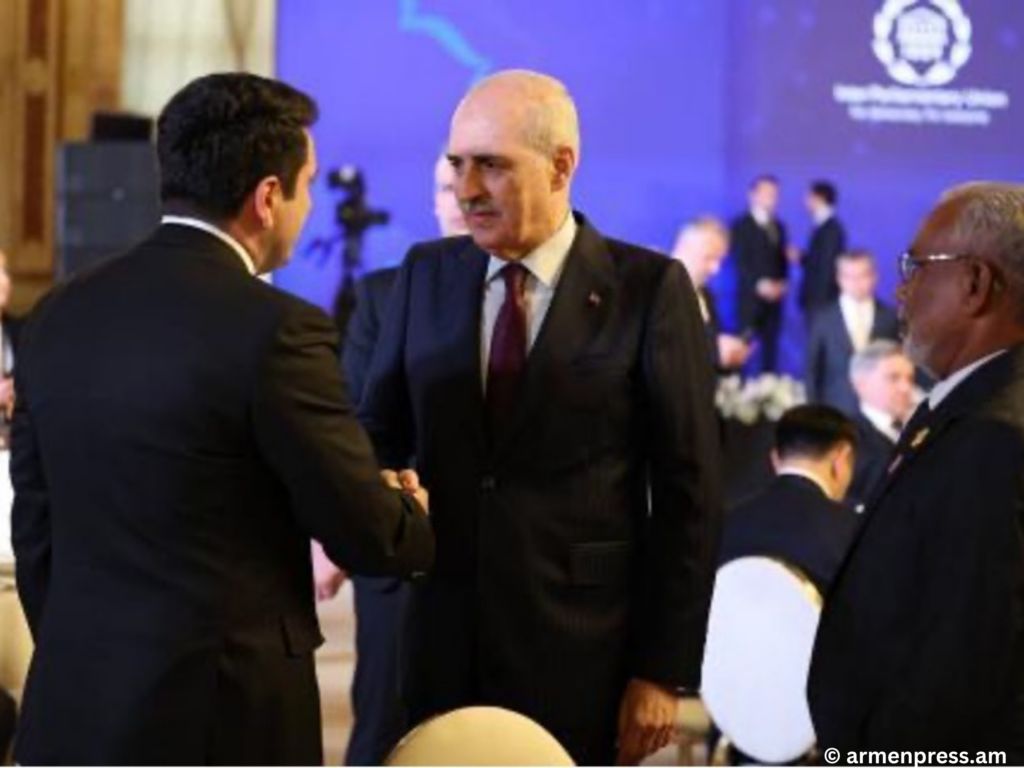
Simonyan and Kurtulmuş meeting in Istanbul, April 17, 2026
Alen Simonyan shared on Facebook: “During the 152nd Assembly of the Inter-Parliamentary Union, I met with Numan Kurtulmuş, Chairman of the Grand National Assembly of Turkey.”
Simonyan also held meetings in Istanbul with Sahiba Gafarova, Chairperson of the Azerbaijani Parliament, and Shalva Papuashvili, Head of the Georgian Parliament.
On April 29, 2026, Deputy Prime Ministers Mher Grigoryan of Armenia and Shahin Mustafayev of Azerbaijan met in Aghveran, Armenia.
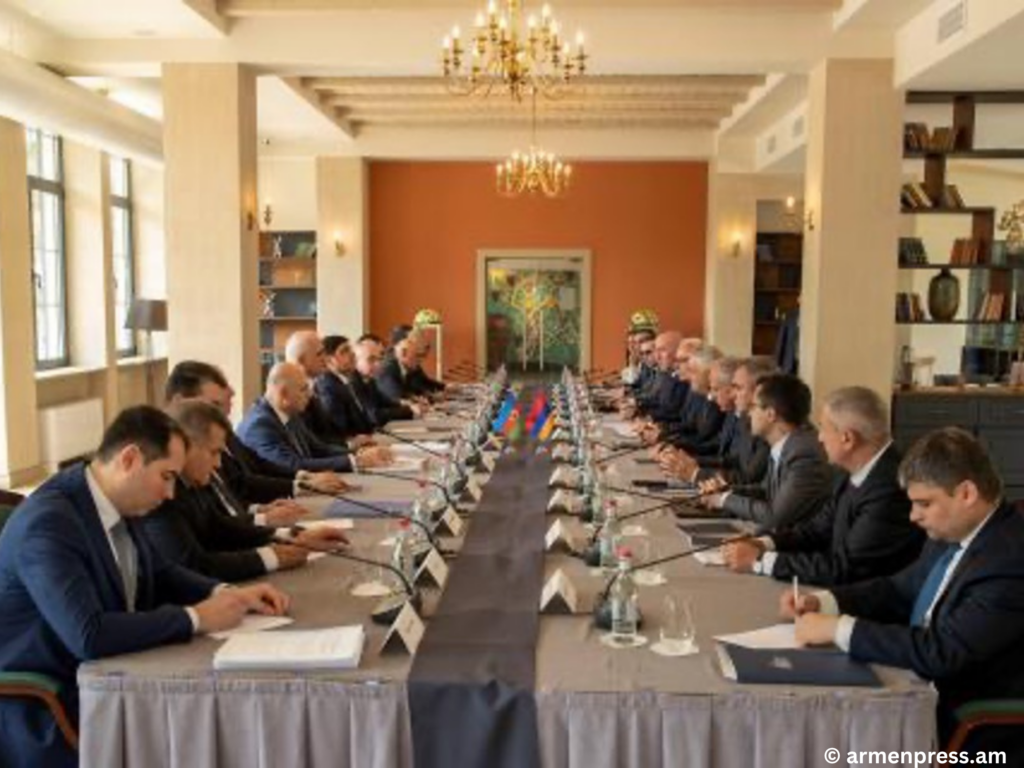
Meeting of the delegations of Armenia and Azerbaijan in Aghveran on April 29, 2026
The parties exchanged views on matters of mutual interest. The Armenian Foreign Ministry subsequently issued a statement regarding the meeting.
It was noted that the transit of cargo to Armenia via Azerbaijan is proceeding successfully. Participants also expressed satisfaction with Azerbaijan’s ongoing supply of oil products to Armenia, highlighting the development of trade and economic relations between the two countries.
The same visit included the 13th meeting of the Armenia-Azerbaijan Commission on Delimitation and Border Security, as well as the State Commission on Delimitation of the State Border.
During the session, participants discussed organizational and technical aspects of the delimitation process.
The parties reached an agreement and exchanged the following draft guidelines outlining procedures for conducting border delimitation:
- Guidelines for the operation of expert groups in the Armenia-Azerbaijan border delimitation process;
- Guidelines for creating the Armenia-Azerbaijan border delimitation map;
- Guidelines for preparing and issuing Armenia-Azerbaijan border delimitation documents.
Both sides agreed to seek governmental approval for these guidelines.
The Customs Service of the State Revenue Committee of Armenia and the Ministry of Economy published data on the amount of goods imported into Armenia from Russia and Kazakhstan through the territory of Azerbaijan from November 2025 to April 15, 2026. Import figures from Azerbaijan to Armenia via Georgia were also published.
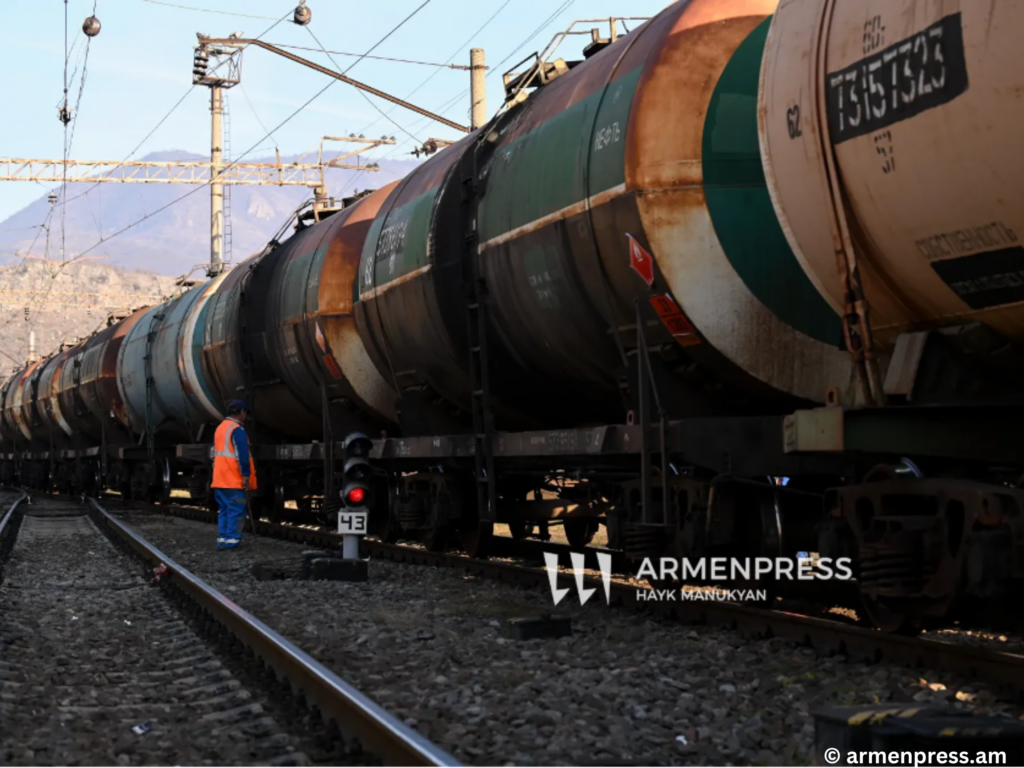
According to the State Revenue Committee and the Ministry of Economy, Armenia imported 26,295 tonnes of goods from Russia and Kazakhstan via Azerbaijan, as well as 9,337 tons of fuel directly from Azerbaijan. The agencies emphasized that tangible outcomes of regional cooperation and peacebuilding are already fostering new economic development opportunities.
The Customs Service of the State Revenue Committee reported that, for the first time, goods entered Armenia by rail through Azerbaijan on November 6, 2025.
Between December 2025 and April 15, 2026, Armenia imported 24,865 tonnes of wheat, 1,362 tonnes of fertilizer, and 68 tonnes of buckwheat from Russia and Kazakhstan. During the same period, 9,337 tonnes of Azerbaijani fuel arrived in Armenia by rail via Georgia, with a total customs value of $7.2 million, comprising 5,398 tonnes of diesel ($4.3 million) and 3,939 tonnes of gasoline ($2.9 million), according to the agencies.