
After the 2008 Russo-Georgian War, a military base of the Armed Forces of the Russian Federation was deployed on the territory of the Russian-occupied Abkhazia. The 7th Military Base subordinates the 49th Army of the Southern Military District of the Armed Forces of the Russian Federation.
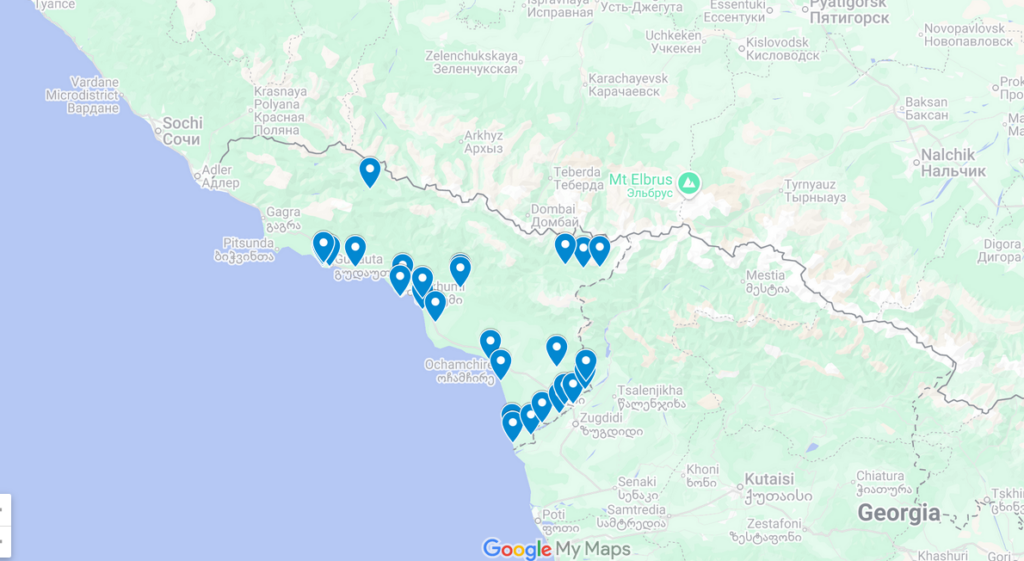
Russian military infrastructure present on the territory of occupied Abkhazia
Southern Military District
Following the 2008 Russo-Georgian War, the Russian Federation launched a large-scale reform of its armed forces. The reform was meant to draw on the lessons learned from the two Russo-Chechen Wars and, particularly, the 2008 Russo-Georgian War. The 2008 conflict exposed shortcomings within the Russian military, ranging from strategic planning to operational command and control.
The 2010 decree issued by the president of the Russian Federation abolished the North Caucasus Military District and established the Southern Military District in its stead. The same year, in accordance with the directives signed by the Russian Minister of Defense, and within the scope of the overall reform, the 49th Combined Arms Army was formed on the basis of the 49th Army of the Armed Forces of the Soviet Union, and was incorporated into the newly established Southern Military District.
In parallel with the full-scale war against Ukraine, the Russian military has been undergoing a new wave of reform since 2023, which has involved significant structural changes within the armed forces. In 2024, following an order issued by Vladimir Putin, the President of the Russian Federation, the Ukrainian territories of Donetsk, Luhansk, Zaporizhzhia, and Kherson—occupied and subsequently annexed by Russia—were incorporated into the Southern Military District, while occupied Crimea has been subordinated to the Southern Military District since 2014. In addition, on Putin’s order, the Western Military District was dissolved and substituted by the Moscow and Leningrad Military Districts.
As part of the ongoing reform, the Southern Military District has been expanded to include new ground force formations, including the additional armies established after 2014. The Russian Ministry of Defense has removed the latest information regarding the structure and composition of the military districts from its official website, mil.ru. However, based on the most recent publicly available data, the Southern Military District is made up of the following formations:
- 3rd Combined Arms Army (Created in 2024 – Luhansk);
- 8th Combined Arms Army;
- 18th Combined Arms Army (Created in 2023 – Crimea);
- 49th Combined Arms Army;
- 7th Military Base in occupied Abkhazia;
- 51st Combined Arms Army (Created in 2024 – Donetsk);
- 58th Combined Arms Army;
- 4th Military Base in the occupied Tskhinvali region;
- 102nd Military Base in Armenia;
- 7th Airborne Division (Part of Russia’s Airborne Forces);
- 10th Separate Brigade;
- 22nd Separate Brigade;
- 346th Separate Brigade;
- Separate brigades of command; communications; radiological, chemical, and biological defense; electronic warfare; and railway.
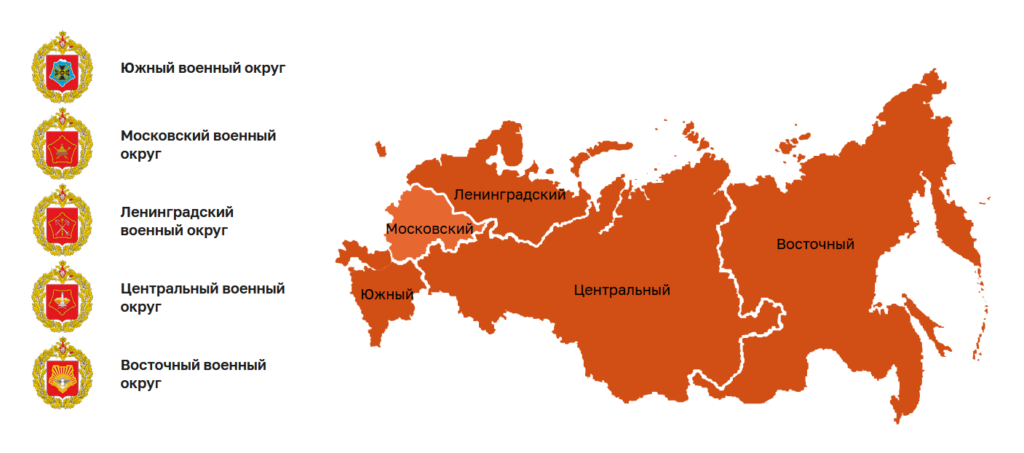
Russia’s military districts as of the latest military reform, including the newly formed Moscow and Leningrad Military Districts. Source: mil.ru
7th Military Base
The 7th Military Base of the 49th Army of the Southern Military District of the Armed Forces of the Russian Federation, military unit No. 09332 (full designation in Russian: 7-я Краснодарская Краснознамённая орденов Жукова, Кутузова и Красной Звезды военная база), was established in 2009 following an agreement signed by the de facto President of Abkhazia, Sergei Bagapsh, and the then-President of the Russian Federation, Dmitry Medvedev.
The 7th Military Base was formed in 2009 on the basis of units of the 131st Separate Motor Rifle Brigade, which was disbanded the same year. It has been assigned a military unit number and has a designated commander. It is worth mentioning that the 131st Brigade itself had been formed on the basis of the 9th Motor Rifle Division, named after the Supreme Soviet (Council) of the Georgian Soviet Socialist Republic (full designation in Russian: 9-я пластунская стрелковая Краснодарская Краснознамённая ордена Кутузова и Красной Звезды дивизия им. Верховного Совета Грузинской ССР).
The 131st Brigade took part in the Ossetian-Ingush conflict in 1992, and both Russo-Chechen wars (1994–1996 and 1999–2009; the main phase of the Second Chechen War was concluded in 2000). During the Second Russo-Chechen War, the brigade suffered heavy losses. In 2000, units of the brigade were deployed in the Kodori Gorge of Georgia as part of a “peacekeeping” mission. In August 2008, additional formations were sent to Abkhazia, Georgia, with the largest number of troops coming from the 131st Brigade. The brigade’s former commander, Sergei Chebotarev, noted that the unit gained valuable experience during the “Georgia–Abkhazia” conflict.
The 2025 amendment of the 2017 decree issued by the President of the Russian Federation states that, along with other formations, the military district includes “Russian military bases (facilities) deployed outside the territory of the Russian Federation.” The 7th and the 4th Military Bases located on the occupied territories of Georgia, as well as the 102nd Military Base deployed on the territory of Armenia, fall within the scope of the decree.
The Russian military formations deployed in occupied Abkhazia do not have the structure of a brigade, division, or any other large separate formation (e.g. corps, etc.). They are officially designated as military bases by Russian state authorities. The 7th Military Base is referred to as a “base” in both Russian military academic materials and in grey literature.
7th Military Base – Personnel and Equipment
There is no precise, detailed, or reliable information regarding the 7th Russian Military Base, or the weapons, armored vehicles, and personnel stationed at its facilities. It has been reported that the base is equipped with around 50 T-72B3 tanks and 150 infantry fighting vehicles – BTR-82s and BTR-80s, while estimates suggest between 4,000 and 4,500 Russian servicemen are deployed at the base, including both contract soldiers and conscripts drafted for mandatory military service.
Information about the Russian military infrastructure is largely based on Russian-language sources originating in Russia, and is often of a propagandistic nature. In reality, it is in the interests of both Russia and the Abkhaz separatists for the figures mentioned above to be as inflated as possible, since they also serve as a deterrent. A good example of propaganda and deterrence effect can be seen in the assessment of Russian military expert and founder of the Russian Center for Strategy and Technology, Konstantin Makienko, who stated that the 7th Military Base is a military facility subordinate to the 49th Army that “can handle the Georgian armed forces solely with its own personnel.”
A part of the Russian surface-to-air missile systems deployed in Abkhazia following the 2008 Russo-Georgian War was returned to Russian territory in 2012. Furthermore, considering the full-scale war in Ukraine that began in 2022, it is assumed that a significant portion of Russia’s combat-ready equipment has been transferred from Abkhazia to Ukraine. The 49th Army’s combat equipment rotates in and out of Abkhazia based on training schedules and operational requirements.
In addition to employed contract soldiers, servicemen from other ground force formations of the 49th Army also serve at the 7th Military Base. The 7th Military Base and other Russian-controlled military facilities in Abkhazia are regularly and actively used for military exercises.
Russia has been deploying combat equipment and personnel from Abkhazia to international conflicts since late 2013. In 2014, reports emerged of servicemen from the 7th Military Base participating in hostilities in Ukraine. In February 2022, at the beginning of Russia’s full-scale war in Ukraine in 2022, approximately 800 troops were deployed from the 7th Military Base to the Ukrainian frontlines. Alongside Russian soldiers, ethnic Abkhaz and Ossetian fighters have also been participating in the conflict against Ukraine. To date, dozens of Abkhaz fighters have been killed in the combat zone.
The Commanders of the 7th Military Base
According to the latest data, the current commander of the Russian 7th Military Base deployed in occupied Abkhazia is Vadim Klimenko. A veteran of the Second Chechen War, Klimenko holds the rank of colonel and is an experienced military servant. Prior to his assignment in Abkhazia, he served as a commander of the 20th Guards Motor Rifle Brigade of the Russian Southern Military District. Since August 2021, Klimenko has been the head of the 7th Military Base, succeeding Oleg Senkov in this position.
In 2022, reports indicated that Vadim Klimenko, the commander of the 7th Military Base, was present in Ukraine, and was actively participating in combat operations. Klimenko was born in 1970 in Dnipropetrovsk Oblast, Ukraine. According to available information, his former wife and children were still residing in Ukraine as of 2022.
An interesting 2021 interview with Klimenko provides further insight, in which he discusses the large-scale “Kavkaz-2020” military exercises and more than 200 combat training events planned for 2021. It is known that Russia utilized the territory of occupied Abkhazia as a training ground to prepare for the full-scale war in Ukraine. Klimenko also stated that the personnel of the 7th Military Base undergo active military training not only in Abkhazia, but also at three different military training grounds and combat ranges located within Russia, in the Krasnodar, Astrakhan, and Volgograd oblasts.
Commanders of the 7th Military Base Prior to Klimenko:
- Oleg Senkov (2019-2020)
- Igor Egorov (2017-2019)
- Mikhail Kosobokov (2015-2017)
- Iakov Rezantsev (2011-2013)
- Sergei Chebotarev (2007-2009)
The Russian 7th Military Base Deployment Locations as Defined in the 2009 Agreement
According to the 2009 agreement, the following territories of the occupied Abkhazia region were allocated for the deployment of the Russian Armed Forces: Military Towns #1, #2, #3, #4, and #5 – Gudauta; Military Town “Gumanista” – Eshera; Military Town – Nagvalou village (Ochamchire District); Air Defense Technical Positions – Agudzera, Babushara, Bomboda, and Primorskoe; Aviation Command Post – Babushara; Naval-Military Fleet Material-Technical Support Post – Ochamchire, and its territorial waters; and Military Sanatoriums – Sokhumi, Gagra, and Gudauta.
On May 23, 2024, Russian President Vladimir Putin signed a document amending the 2009 agreement concerning the Russian base in Abkhazia. As a result, the military sanatoriums located in Sukhumi were removed from the list of deployment sites of the Russian base, and were replaced by a communications facility.
Open-source data confirms that, following this agreement, Russia also constructed military infrastructure at additional, previously undisclosed, locations.
The article does not include information on checkpoints and control posts along the occupation line on the so-called Russian-Abkhazian border, nor does it cover the mountain trails and passes north of occupied Abkhazia used by certain units of the 34th Mountain Brigade of the 49th Army. Additionally, the satellite images provided below may not reflect the latest situation, as the most recent publicly available imagery tends to date from 2022–2023.
7th Military Base Facilities in Occupied Abkhazia
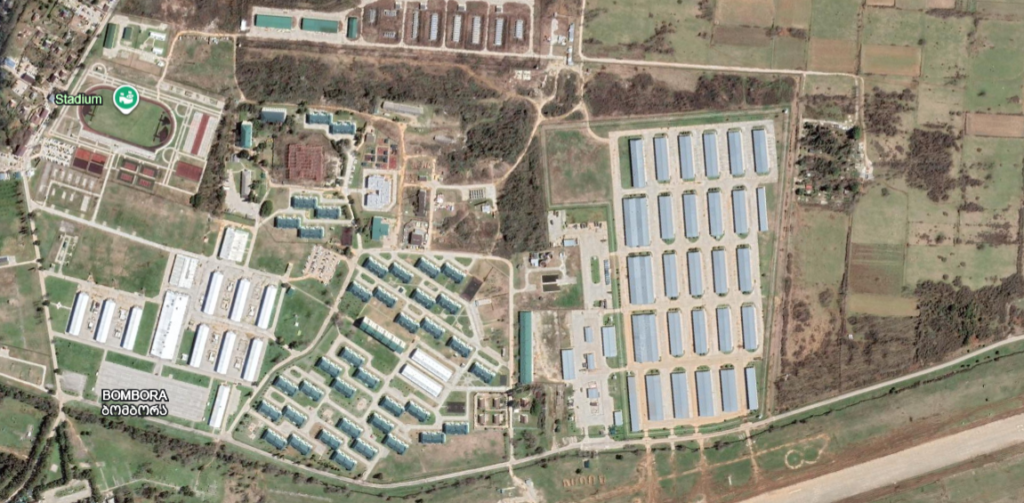
Russian military base and infrastructure located in Gudauta. The base includes accommodation for Russian officers and their families.
Coordinates: 43°06’05.1″N 40°35’01.3″E
Source: Google Earth
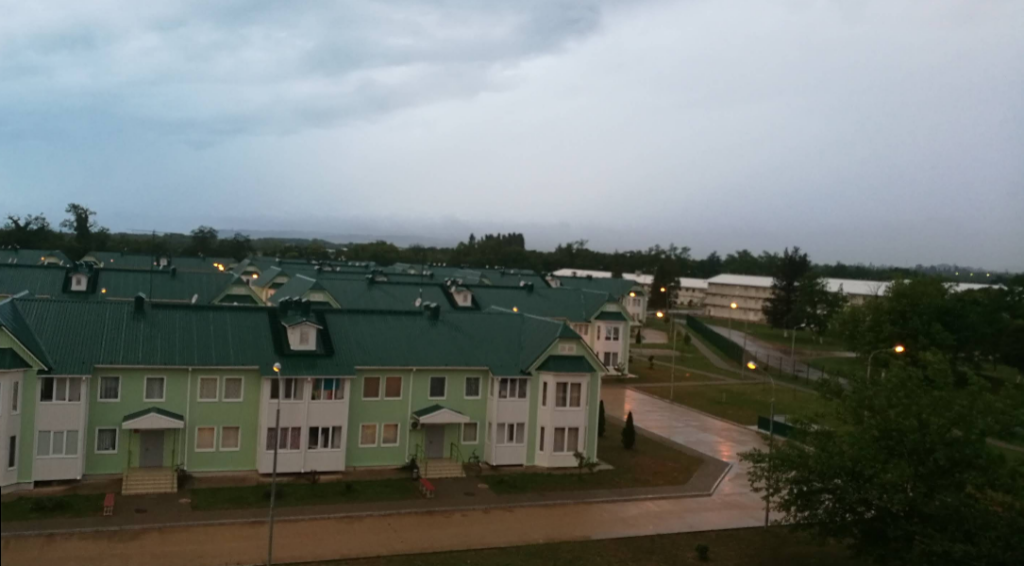
Accommodation for the family members of Russian officers in Gudauta.
Source: Google Maps
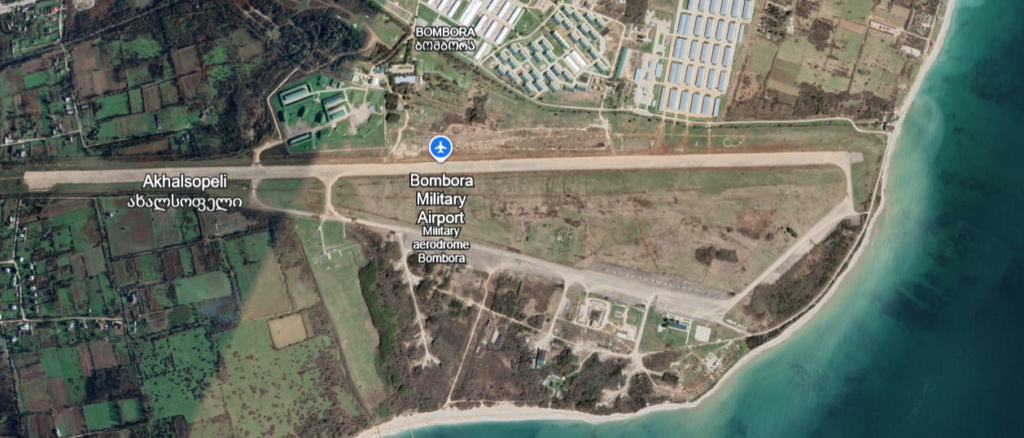
Bombora Airbase and a runway in Gudauta. The airbase includes hangars and disguised underground facilities.
Coordinates: 43°05’57.5″N 40°34’38.3″E
Source: Google Earth
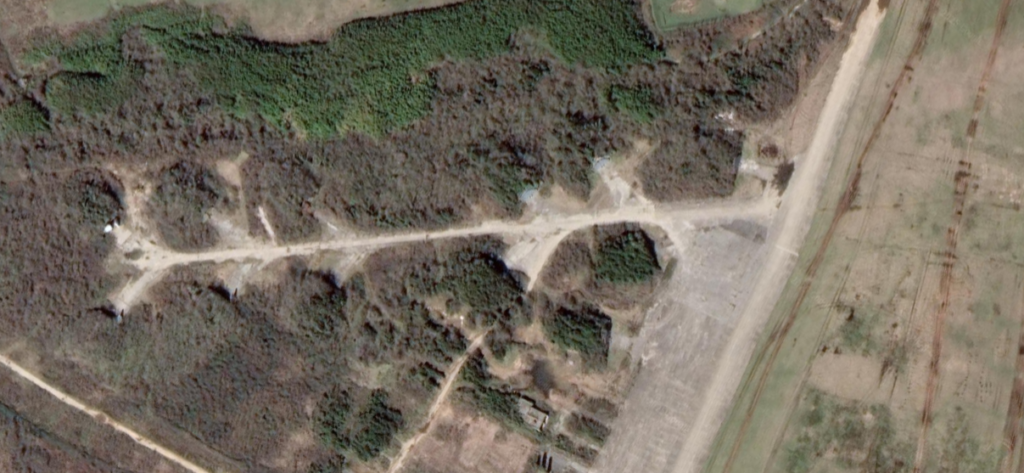
Underground facilities and storage units at the Bombora airbase.
Coordinates: 43°06’08.3″N 40°34’22.1″E
Source: Google Earth
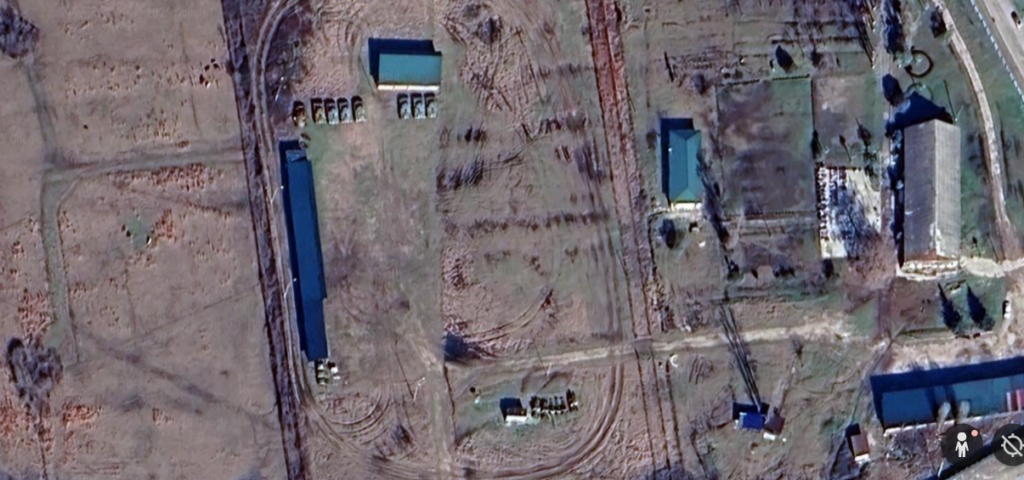
Tank pool located east of the Gudauta 7th Military Base.
Satellite images are dated from February 12 to March 29, 2022.
Coordinates: 43°05’44.2″N 40°36’30.8″E
Source: Google Earth
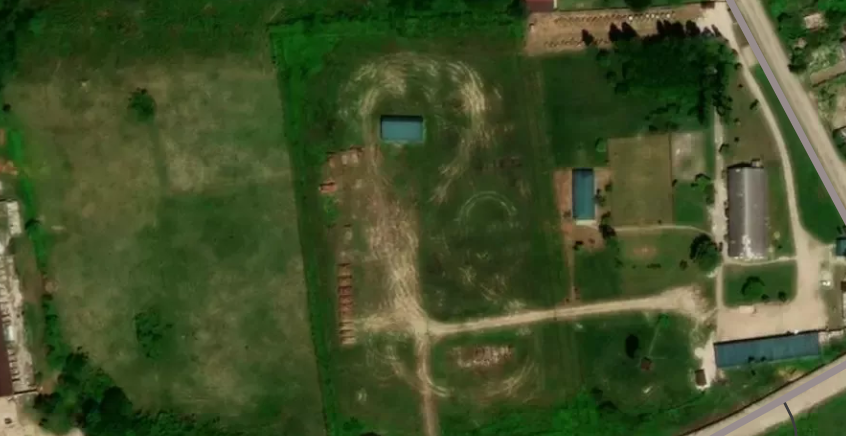
Gudauta tank pool image, dated circa 2025. It should be noted that one of the storage buildings has since been dismantled. Russian combat vehicles are usually painted dark green. The latest images of this facility show corroded armored equipment that is likely out of service.
Source: Veda Dashboard-Nasa
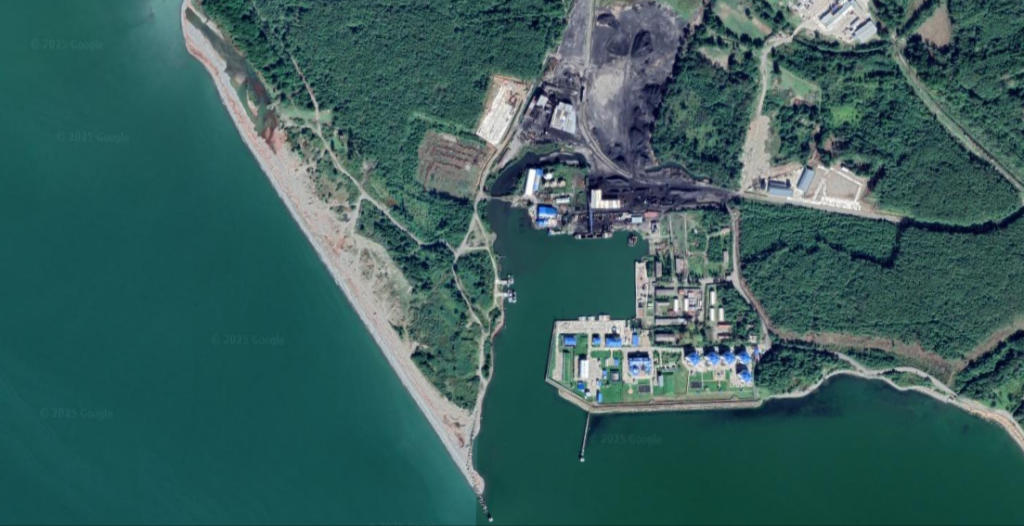
Naval base located in Ochamchire.
Information about the deployment of the Russian Navy in Ochamchire emerged on October 4, 2023, following a meeting in Sochi between Russian President Vladimir Putin and the de-facto President of occupied Abkhazia, Aslan Bzhania. According to Bzhania, the agreement with Russia had already been signed, and a permanent base point for the Russian Navy would soon be opened in Ochamchire district. The document’s text has not yet been made available in open sources, and its specific contents remain unknown.
Coordinates: 42°44’32.2″N 41°25’40.3″E
Source: Google Earth
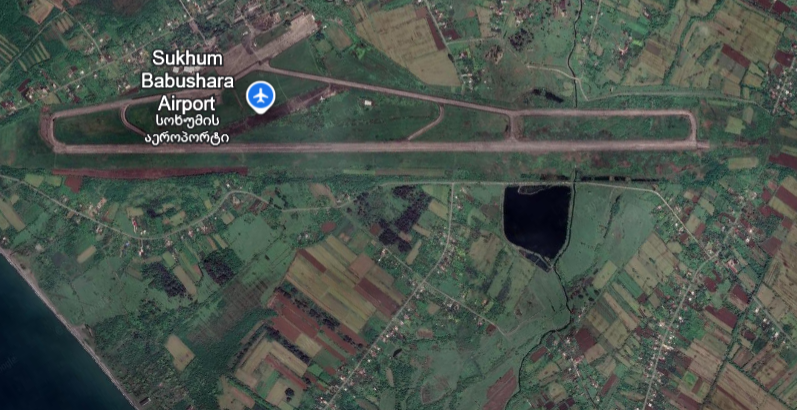
Babushara Airfield.
The Sokhumi Babushara Airport was repaired and reconstructed in 2025, and civilian flights between occupied Abkhazia and the Russian Federation commenced.
Coordinates: 42°51’39″N 41°07’33″E
Source: Google Earth
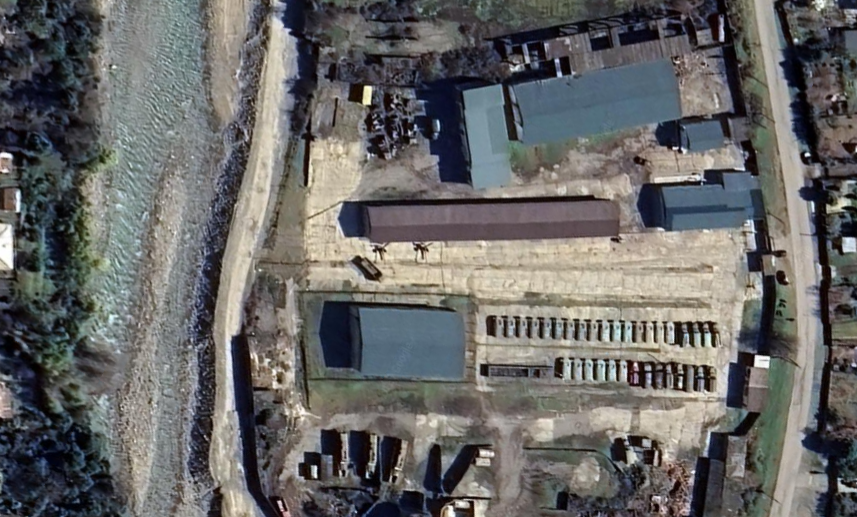
Military facility located southeast of Sokhumi.
Coordinates: 42°58’36.5″N 41°04’59.3″E
Source: Google Earth
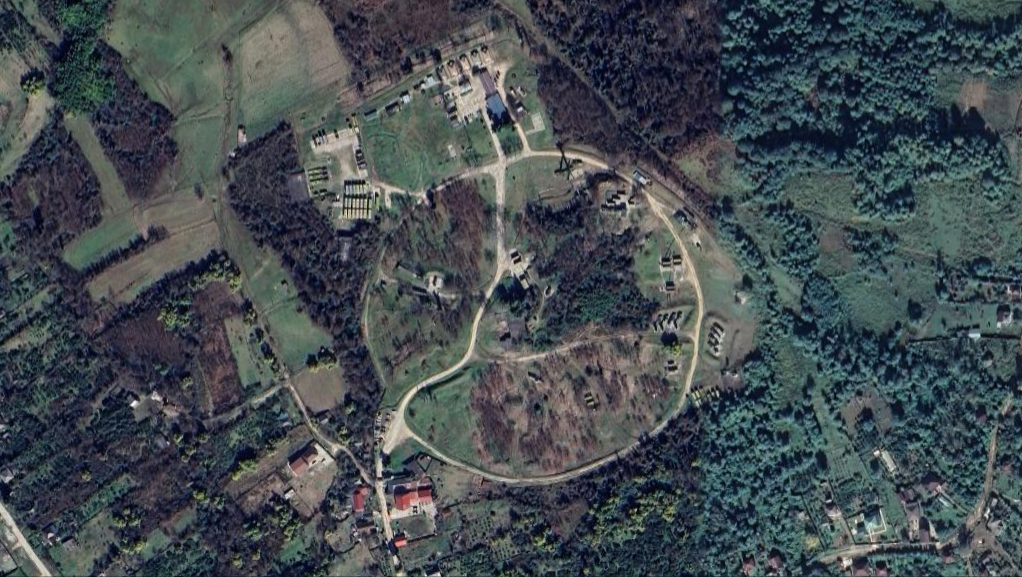
Air defence point in the village of Adzghapsha, located between Primorskoe and New Athos (Akhali Atoni), in the Gudauta municipality. A “S-300” surface-to-air missile complex has been deployed in this area.
Coordinates: 43°05’31.2″N 40°44’20.9″E
Source: Google Earth
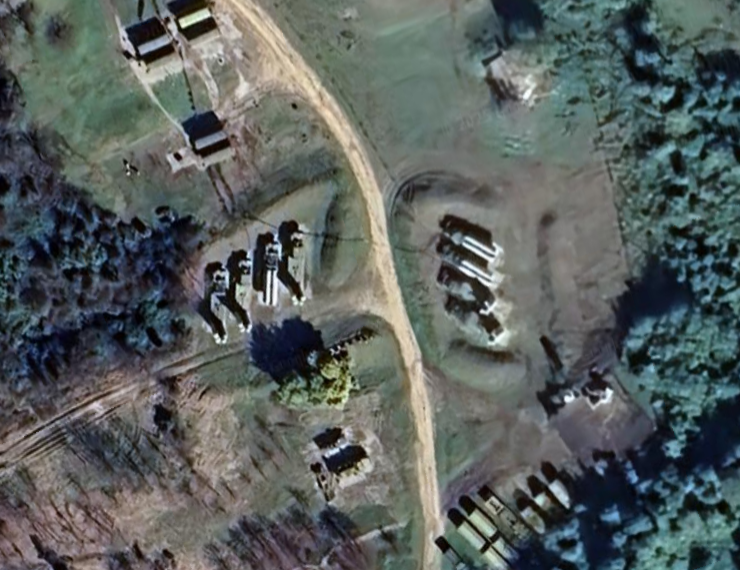
A closer view of the “S-300” complex.
Source: Google Earth
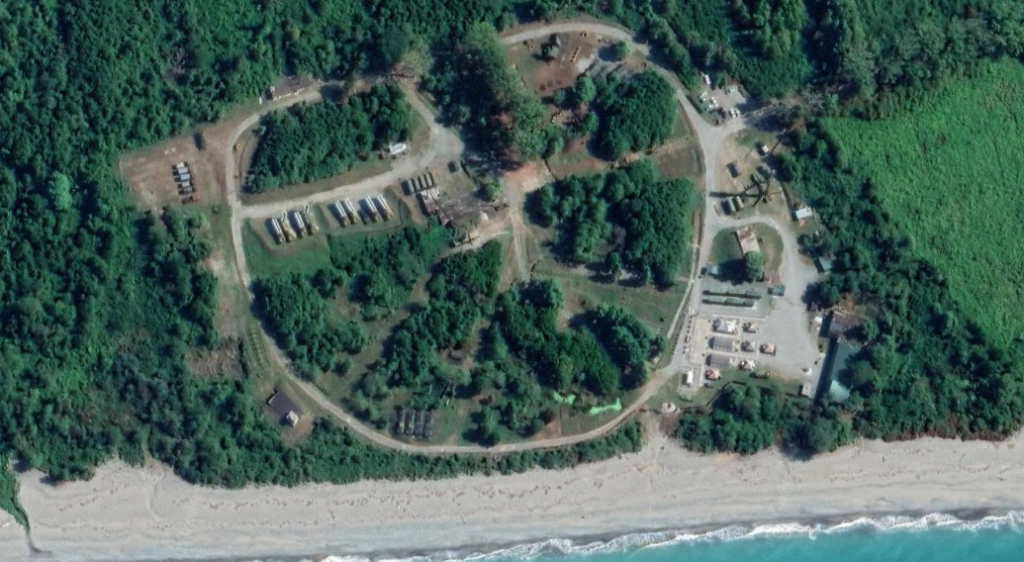
Air defense facility located near Gulripshi. “S-300” surface-to-air missile systems can be seen in the area.
Coordinates: 42°56’15.4″N 41°05’07.4″E
Source: Google Earth
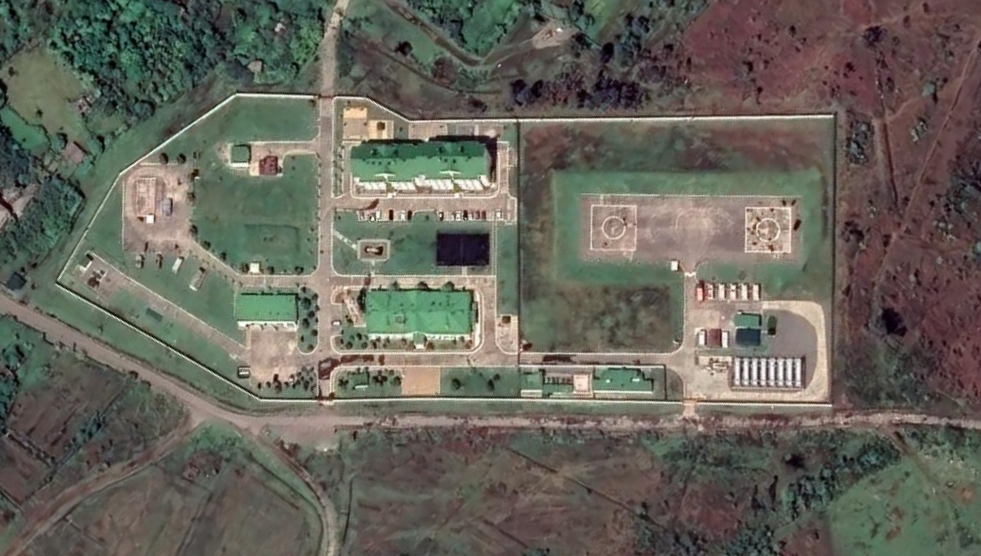
Russian military base located north of Dranda village, Gulripshi municipality.
Coordinates: 42°53’15.8″N 41°09’03.3″E
Source: Google Earth
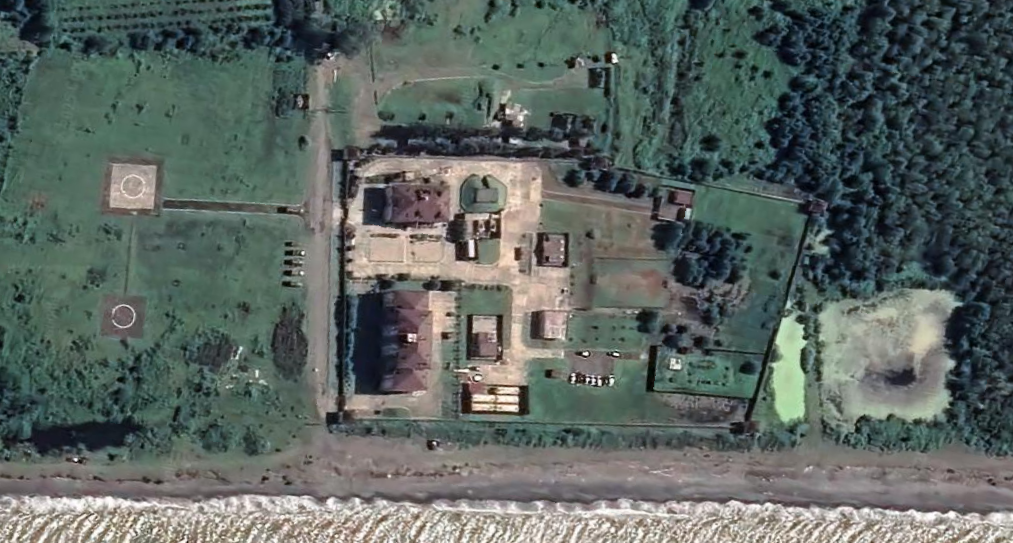
Russian military base in Pichori village, Gali municipality.
Coordinates: 42°26’08.8″N 41°32’48.6″E
Source: Google Earth
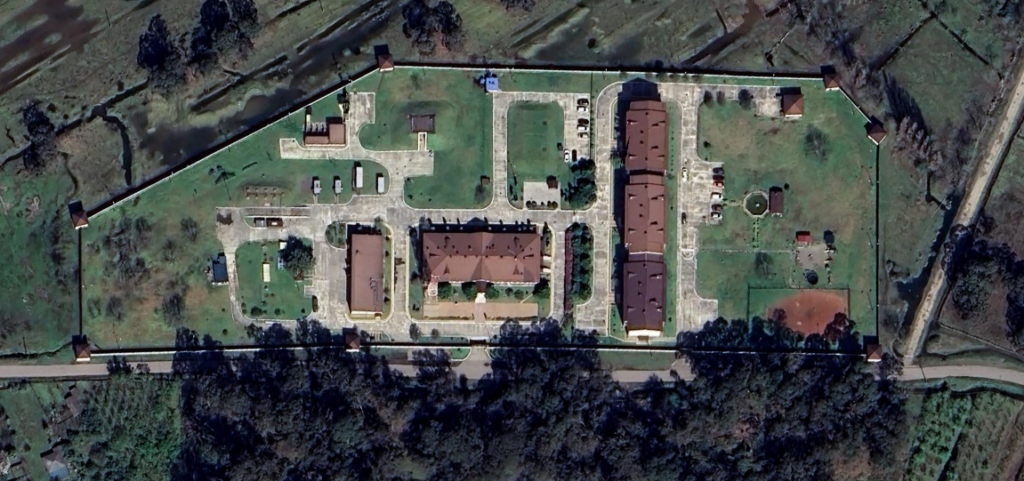
Russian military base in Meore Otobaia village, Gali municipality.
Coordinates: 42°27’48.5″N 41°38’24.7″E
Source: Google Earth
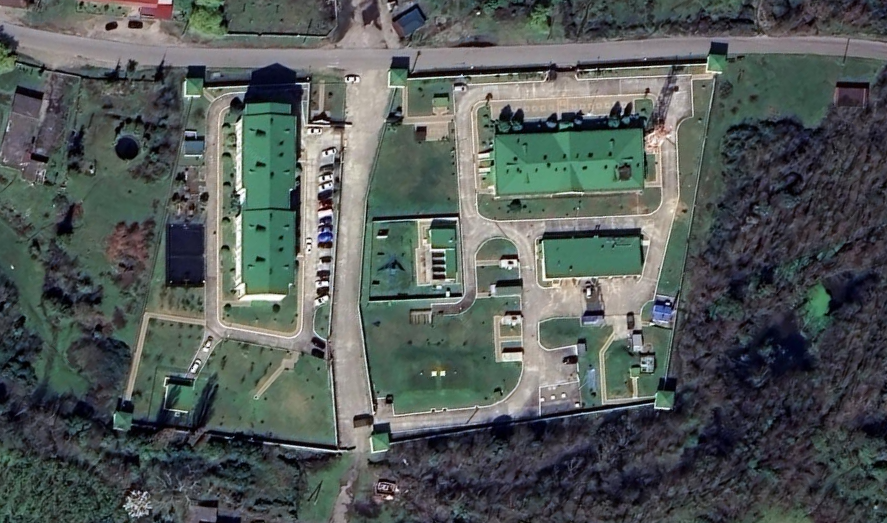
Russian military base in Nabakevi village, Gali municipality.
Coordinates: 42°30’37.0″N 41°41’26.8″E
Source: Google Earth
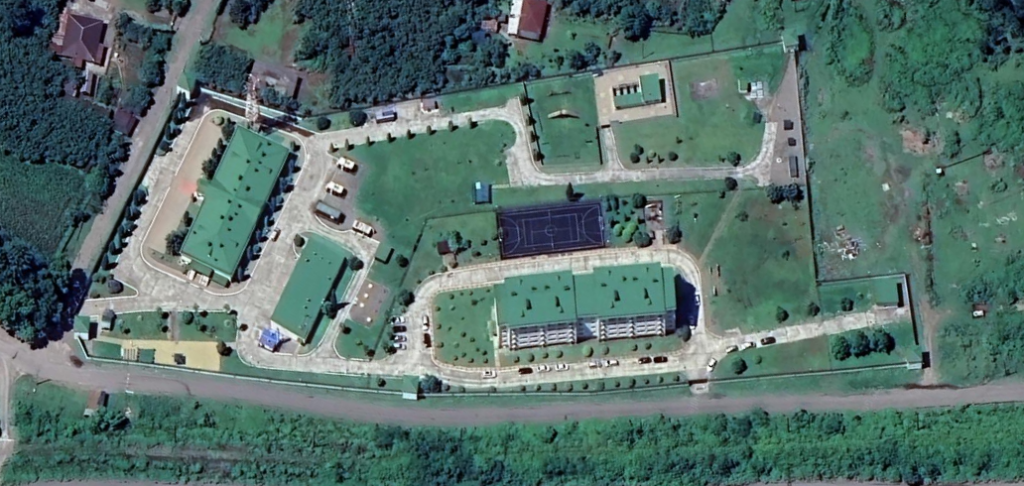
Russian military base in Tagiloni village, Gali municipality.
Coordinates: 42°32’48.8″N 41°46’52.6″E
Source: Google Earth
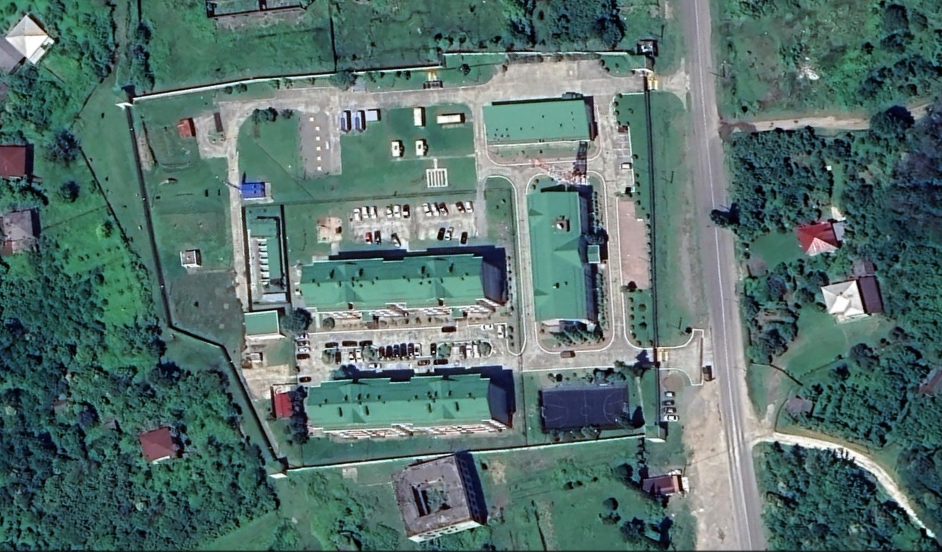
Russian military base in Tchuburkhinji village, Gali municipality, approximately 4 kilometers from the Enguri bridge, on the road leading to Gali.
Coordinates: 42°34’43.1″N 41°48’30.3″E
Source: Google Earth
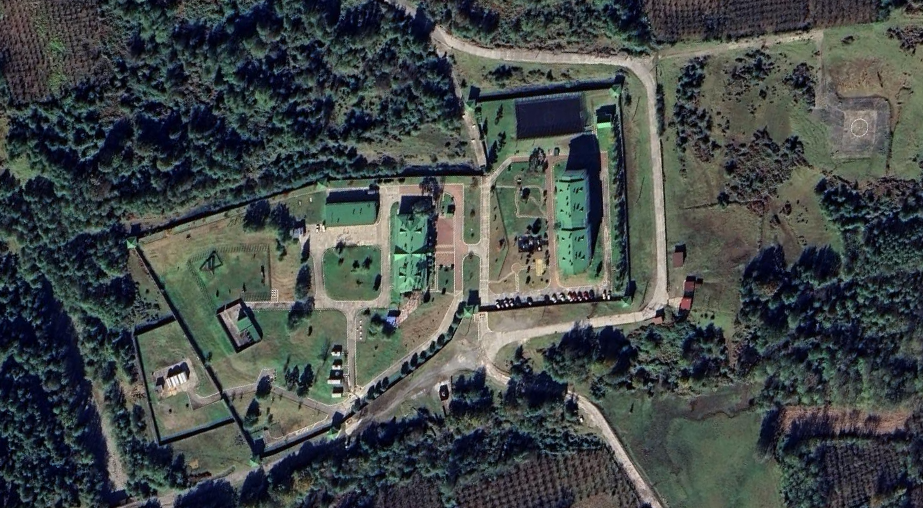
Russian military base in Ghvashigverdi village, Gali municipality.
Coordinates: 42°38’04.0″N 41°54’42.9″E
Source: Google Earth
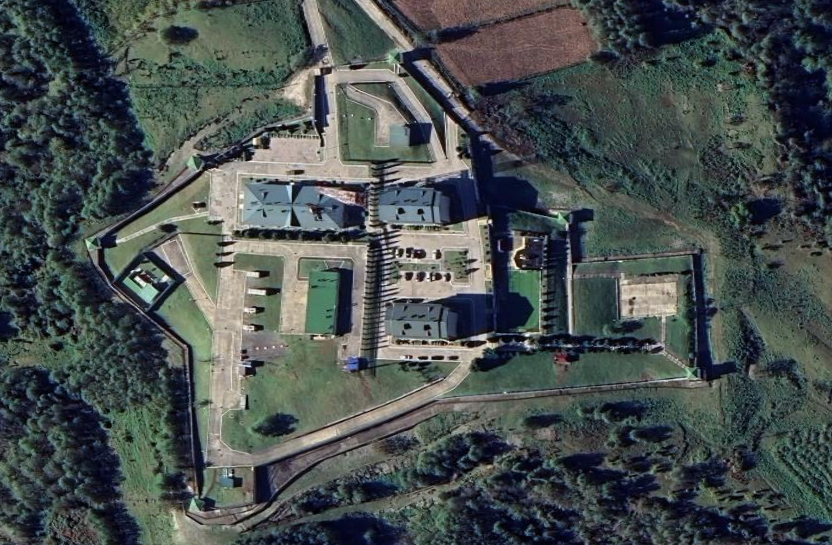
Russian military base in Lekukhona village, Gali municipality.
Coordinates: 42°39’54.6″N 41°55’09.2″E
Source: Google Earth
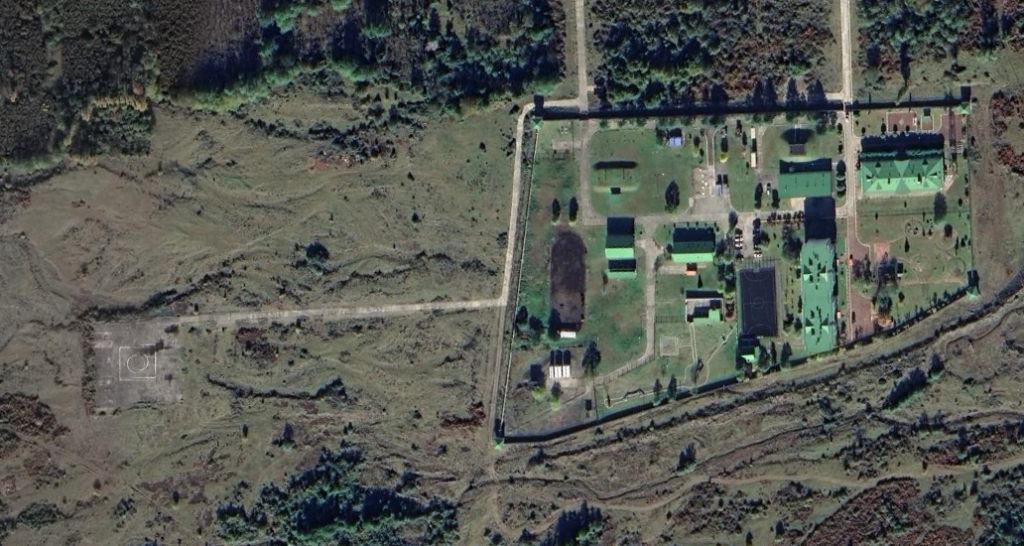
Russian military base in Okumi village, Gali municipality.
Coordinates: 42°43’02.6″N 41°46’10.3″E
Source: Google Earth
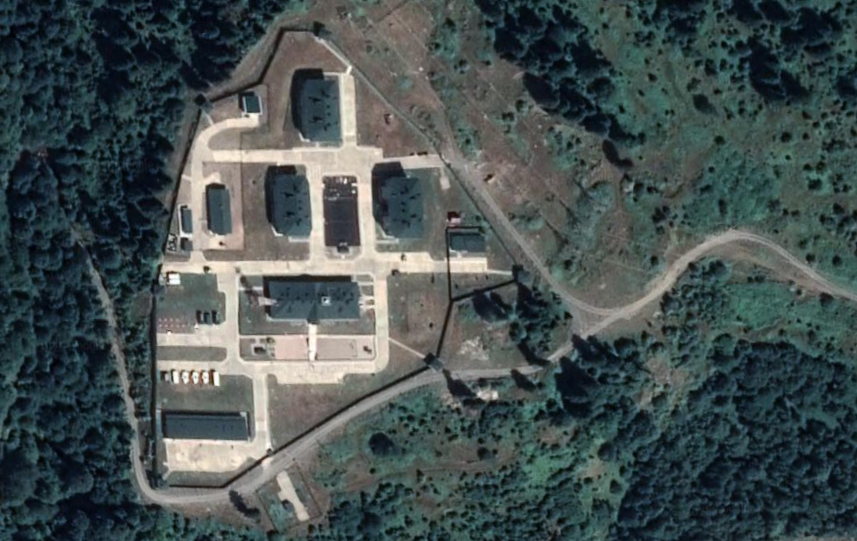
Russian military base in Sakeni village, Kodori Gorge. The base was built circa 2019. There is a helipad eight kilometers east of the base.
Coordinates: 43°05’13.5″N 41°54’19.5″E
Source: Google Earth
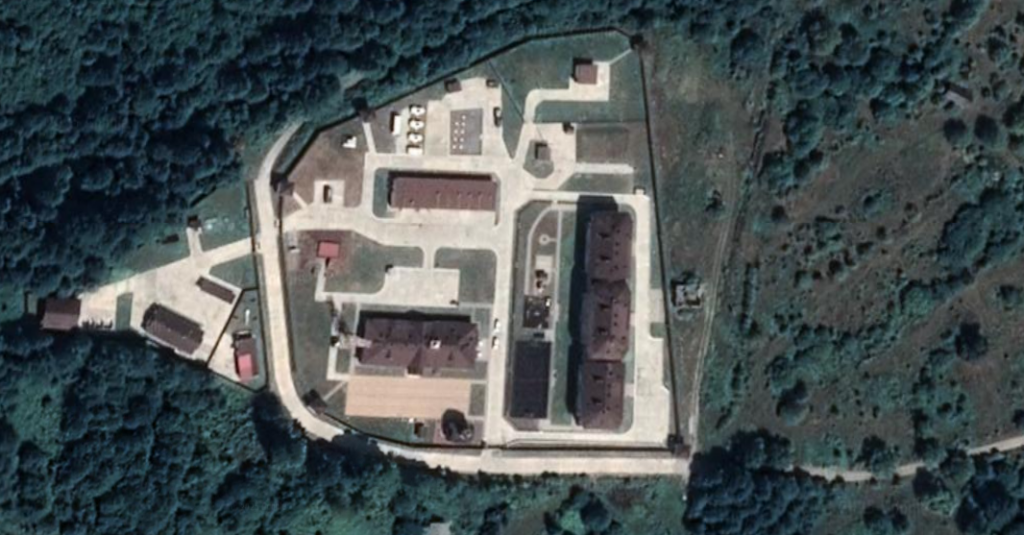
Russian military base in Gentsvishi village, Kodori Gorge. There is a helipad north of the base.
Coordinates: 43°05’57.0″N 41°48’50.0″E
Source: Google Earth
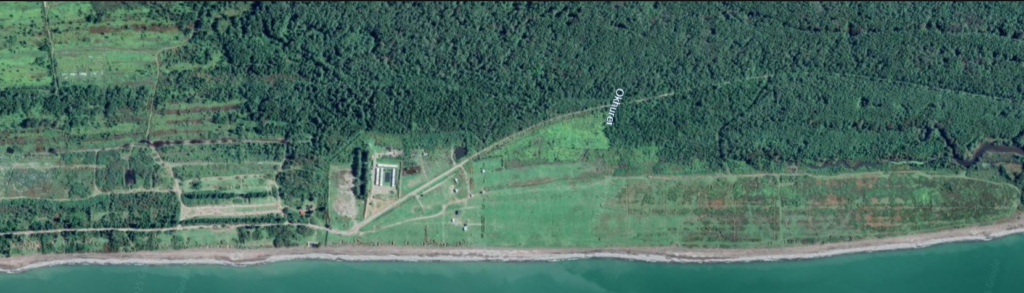
Military range and training ground in Nagvalou village, Ochamchire municipality.
Coordinates: 42°39’56.8″N 41°29’07.4″E
Source: Google Maps
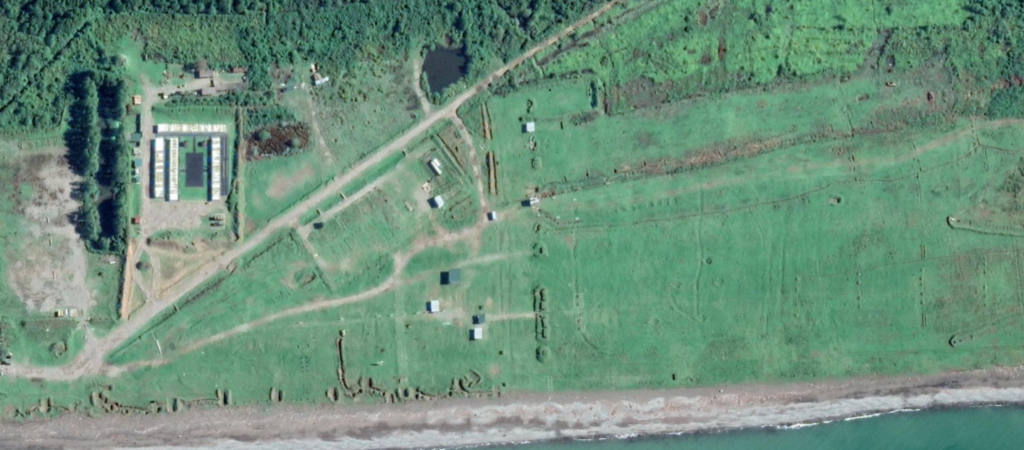
A closer look at the Nagvalou range. This image likely dates back to October 2022.
Source: Google Earth
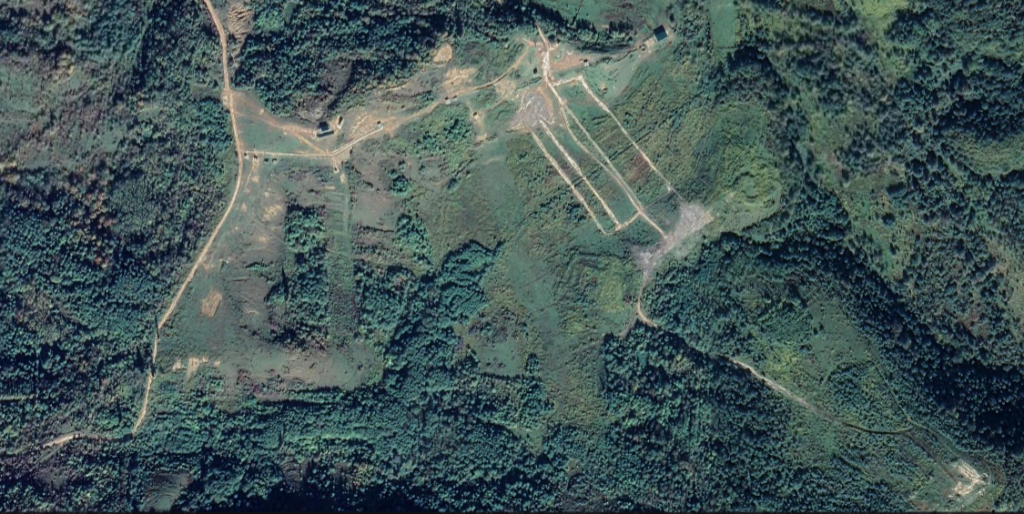
Military range and training ground located in Tsebelda village, Gulripshi municipality.
Coordinates: 43°00’58.0″N 41°16’36.6″E
Source: Google Earth
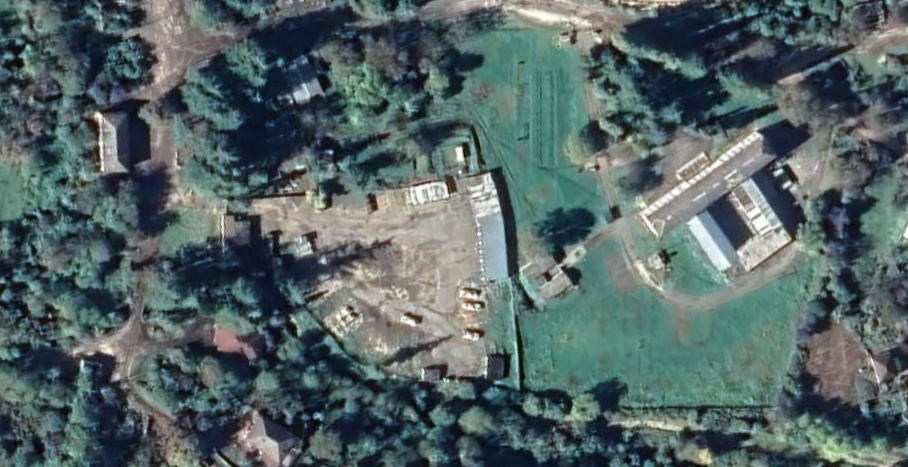
Military facility close to the Tsebelda range.
Coordinates: 43°01’25.9″N 41°16’39.8″E
Source: Google Earth
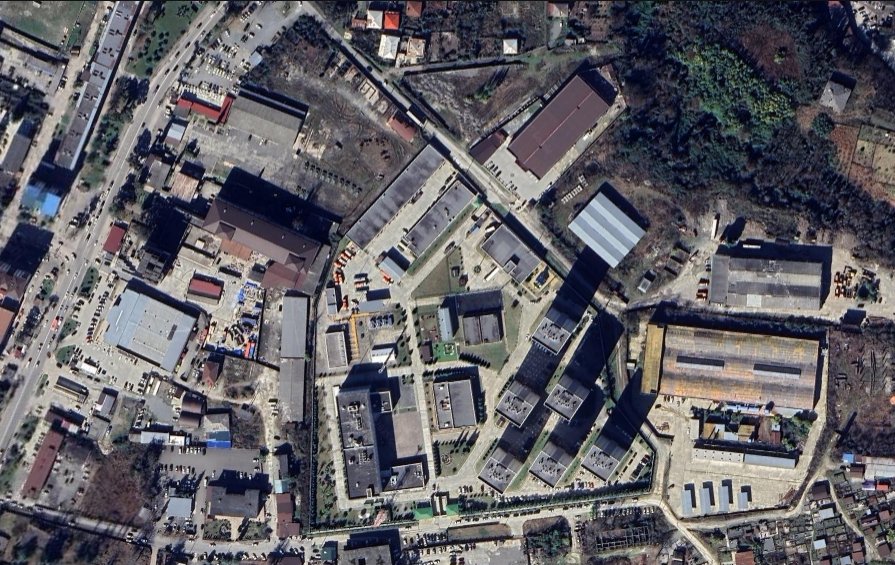
The military town (district) in Sokhumi, the capital of occupied Abkhazia, reportedly housing the law-enforcement agencies. The most recent satellite imagery dates back to 2023. The facility is one of those Russia committed to building under the 2009 agreement. According to the satellite images, the construction works were ongoing in 2011, and were completed in the latter half of 2012. The site has housed 12 battle tanks since 2018, parked out in the open.
Coordinates: 43°01’25.6″N 40°58’53.6″E
Source: Google Earth
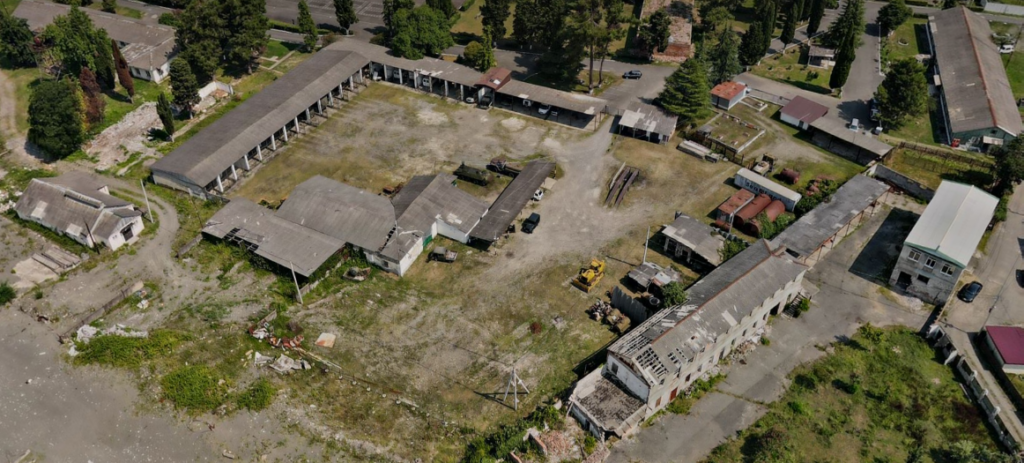
Another military facility in Sokhumi.
Coordinates: 42°59’07.5″N 40°57’58.4″E
Source: Yandex