
Armenia’s Domestic Politics
On November 16, local elections were held in Vagharshapat, Armenia’s fifth-largest city, resulting in a victory for the ruling party. These elections are particularly significant because they precede the crucial parliamentary elections scheduled for June 2026, and took place in the city that is home to Echmiadzin[1].
- The recent election results indicate that the ruling Civil Contract party received 48.74% of the votes, establishing a clear lead. In contrast, the opposition Victory Alliance, which comprises various factions, including the nationalist Dashnaktsutyun party, received 32% of the vote. This coalition is often perceived as allied with former president Robert Kocharyan, whose political stance is generally characterized as pro-Russian. The implications of these electoral outcomes may reflect broader geopolitical alignments and domestic political dynamics within Armenia.
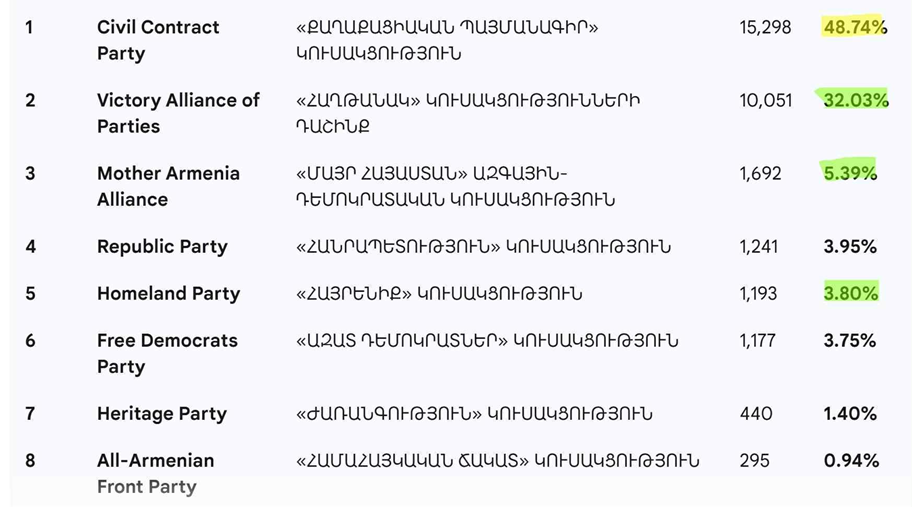
In the recent elections, the pro-European Republican Party, regarded as an affiliate of Prime Minister Pashinyan, garnered 3.95% of the vote. When considered collectively, these results indicate that approximately 51.7% of the electorate in Vagharshapat endorsed political factions aligned with Armenia’s pro-European agenda.
- As the elections approach, the pro-Russian opposition is trying to leverage nationalism and ramp up its criticism of Prime Minister Pashinyan. For instance, in a speech on November 5, 2025, former President Robert Kocharyan blamed Pashinyan for the “loss” of Karabakh, and openly supported Russia’s role and interests in the South Caucasus.
He stated, “At the Prague meeting, Armenia acknowledged Azerbaijan’s territorial integrity. After that, what kind of relationship could Russia maintain with Azerbaijan? Following this decision, Russia’s role as a mediator was effectively reduced to nothing.”
- The Ministry of Education, Science, Culture, and Sports of Armenia has decided to allow the teaching of languages from neighboring countries in Armenian schools.
According to the new regulation, Azerbaijani and Turkish will be taught in grades X–XII, while Georgian and Persian will be introduced starting from grade V.
The ministry’s statement also emphasizes that there is currently no finalized list specifying which schools will offer these language courses; each school will retain autonomy to decide whether or not to offer these languages to its students.
- On November 13, 2025, the National Security Service of Armenia detained two opposition podcasters, Narek Samsonyan and Vazgen Sagatelyan, and conducted searches at their homes.
Armenia’s Foreign Policy
Armenian Prime Minister Nikol Pashinyan is actively pursuing the normalization of relations with both Azerbaijan and Turkey, and frequently mentions this effort in his public speeches.
For example, during an address to the Armenian Parliament on November 1, he remarked that both Armenians and Azerbaijanis remain trapped in a mindset influenced by the Soviet-era KGB.
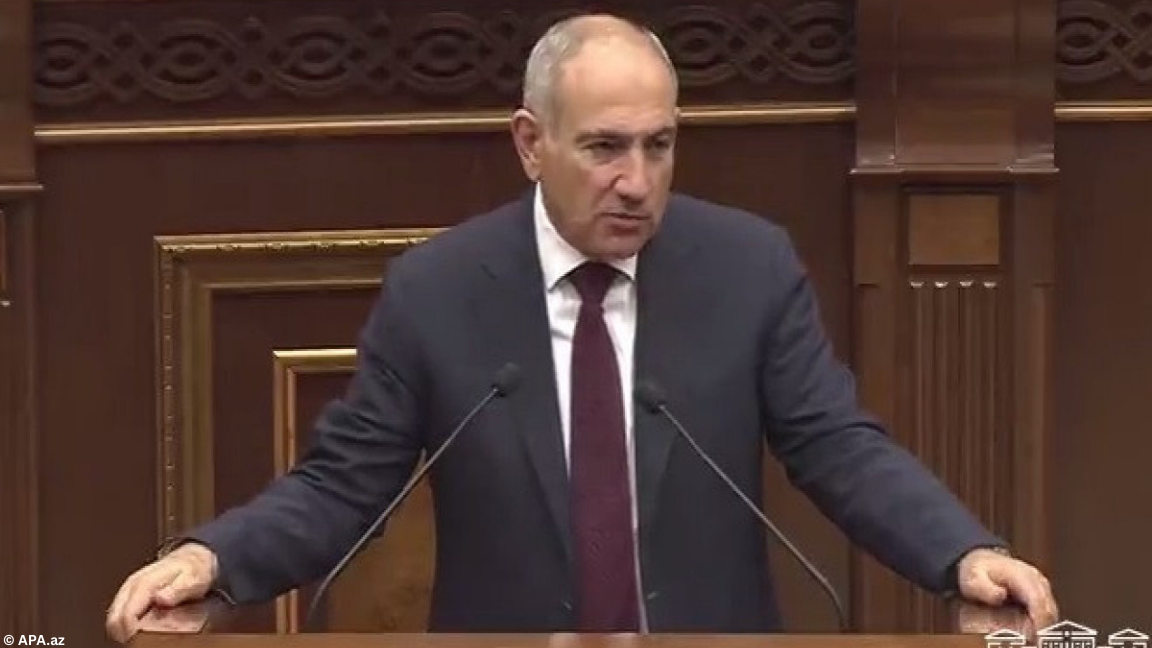
“When we say that a Turk will always remain a Turk. The same expression is echoed in Armenia; they also believe that an Armenian will always remain an Armenian. When we question whether we can trust Azerbaijan, they counter with the same question: how can we trust an Armenian? When we ask, ‘Haven’t we learned from history?’ they reply with the same argument: ‘Haven’t you learned from history? You seek peace with Armenia, but have you forgotten the lessons of our past?’ We must liberate ourselves from this perspective that Soviet KGB agents shaped,” Pashinyan said.
- One year after negotiations on visa-free travel between Armenia and the European Union began, Brussels has officially delivered the Visa Liberalization Action Plan (VLAP) to Yerevan. This plan outlines the obligations that Armenia must meet before visa-free travel can be implemented.
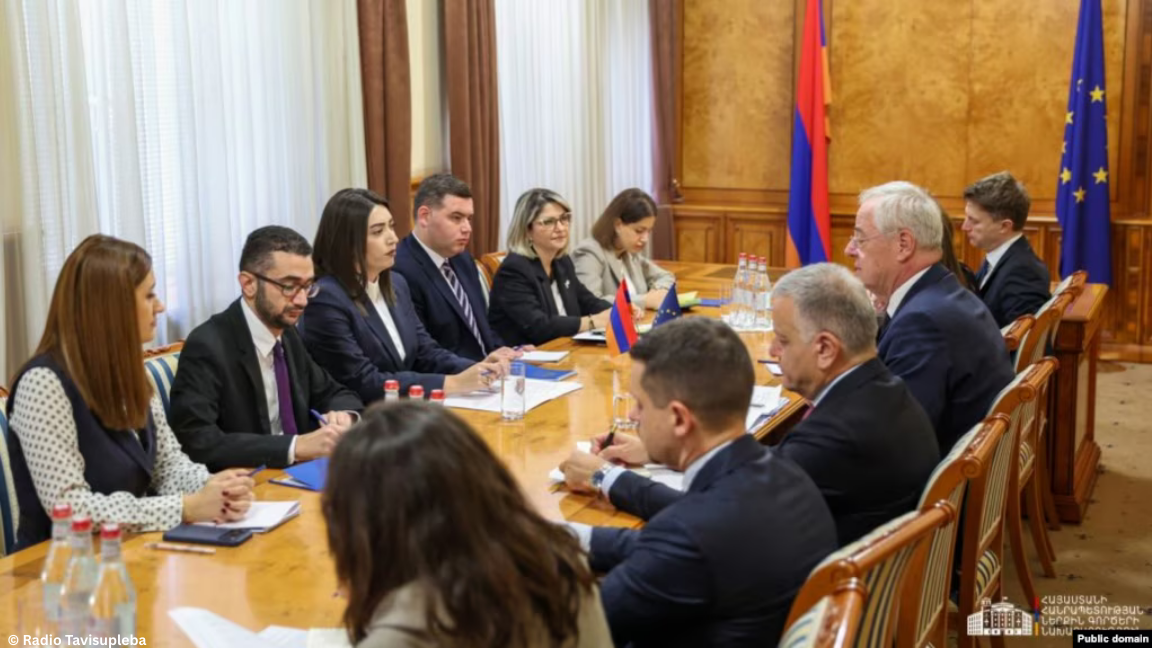
Armenian Interior Minister Arpine Sarkissian met with Johannes Luchner, the Deputy Director-General for Migration and Home Affairs at the European Commission, in Yerevan on November 5. During this meeting, Luchner formally presented the Visa Liberalization Action Plan (VLAP) to the Armenian officials.
Sarkissian noted that the Action Plan provides a strategic framework for reforms related to citizen mobility and public security. He described it as a “key step in strengthening trust and cooperation” between Armenia and the European Union.
EU representatives emphasized that before the EU Council and the European Parliament can make a final decision, Armenia must fully meet all the required criteria.
Among Armenia’s immediate neighbors, only Georgia has achieved visa liberalization. In 2013, Georgia received a similar document—the VLAP—from the European Commission. The European Commission monitored the implementation of this Action Plan through expert assessments, and Georgia’s progress was regularly reported to the Council of the European Union and the European Parliament.
The final monitoring report was published in December 2015. Subsequently, in March 2016, the European Commission submitted a legislative proposal to the Council and the Parliament recommending the introduction of visa-free travel for Georgia. On February 2, 2017, the European Parliament voted to adopt this measure. Since March 28, 2017, Georgian citizens have been able to travel to the European Union without a visa.
Given this precedent, it is reasonable to assume that Armenia’s visa liberalization process will also take several years to complete.
- The normalization process with Ankara is also making progress. Speaking at the Orbeli Forum on November 5, Armenian Foreign Minister Ararat Mirzoyan announced that the number of flights between Turkey and Armenia is to be increased.
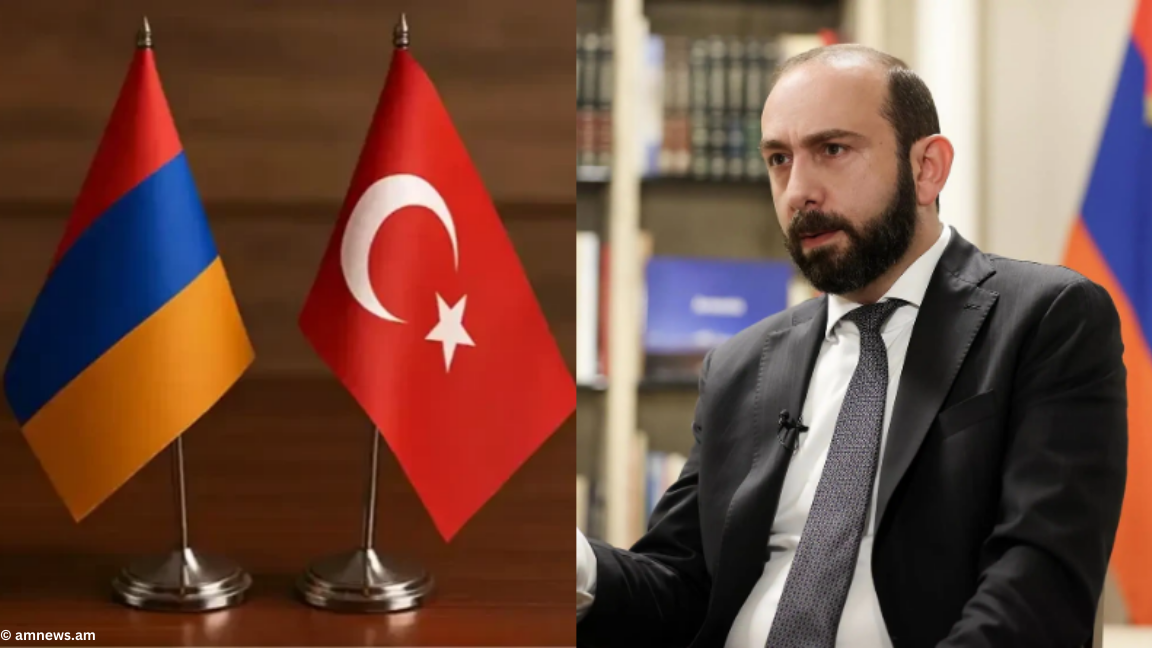
He also mentioned that the Gyumri-Kars railway line might be reopened in the near future. However, reports indicate that the reopening of the land border between the two countries is unlikely at this time.
In the same speech, Mirzoyan added that Armenia’s dialogue with Turkey, which is now occurring almost daily, is progressing positively.
Azerbaijan’s Foreign Policy
- On November 3, Azerbaijani President Ilham Aliyev addressed relations with Armenia, stating that “there is no Lake Sevan; there is only Lake Goycha.”[2]
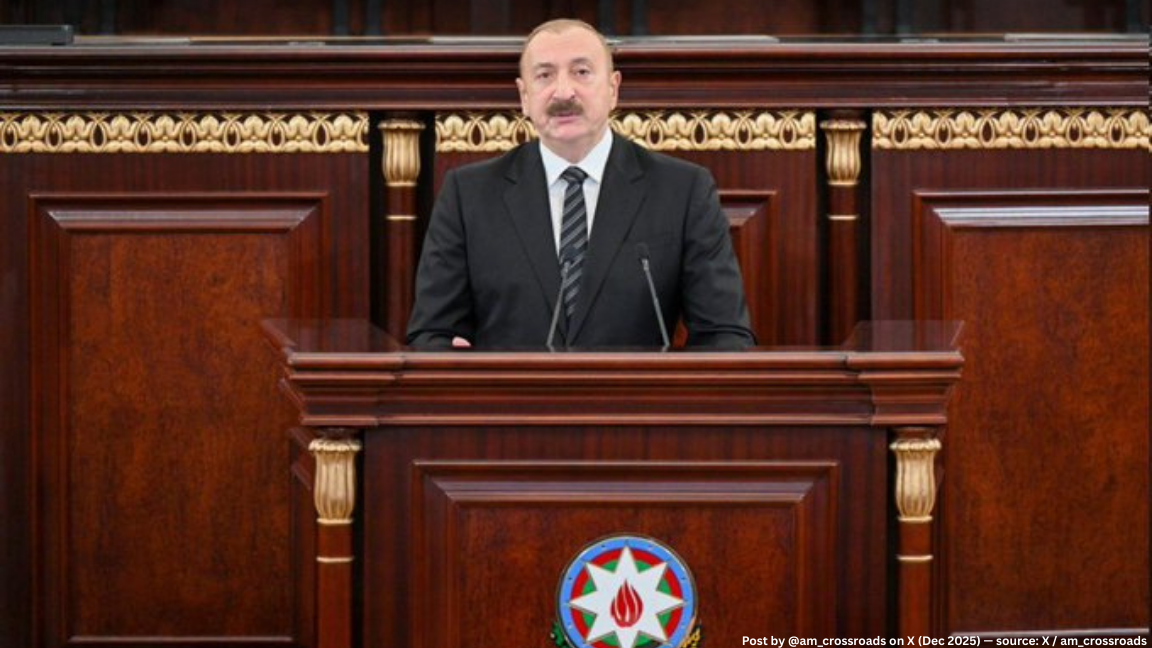
November 3, 2025
According to Aliyev, almost all toponyms in modern Armenia that appear on early 20th-century Russian maps are of Azerbaijani origin.
“He emphasized the importance of facilitating the return of refugees who fled from Armenia to Azerbaijan decades ago. He urged that the Armenian population should not fear the return of Azerbaijanis to what he referred to as their historical lands. As Aliyev stated, “We should return to our historical lands not with tanks, but with cars.”
- On November 8, a military parade was held in Baku to commemorate the 5th anniversary of the victory in the Second Karabakh War. The event was attended by Azerbaijani President Ilham Aliyev, Turkish President Recep Tayyip Erdogan, and Pakistani Prime Minister Shehbaz Sharif.
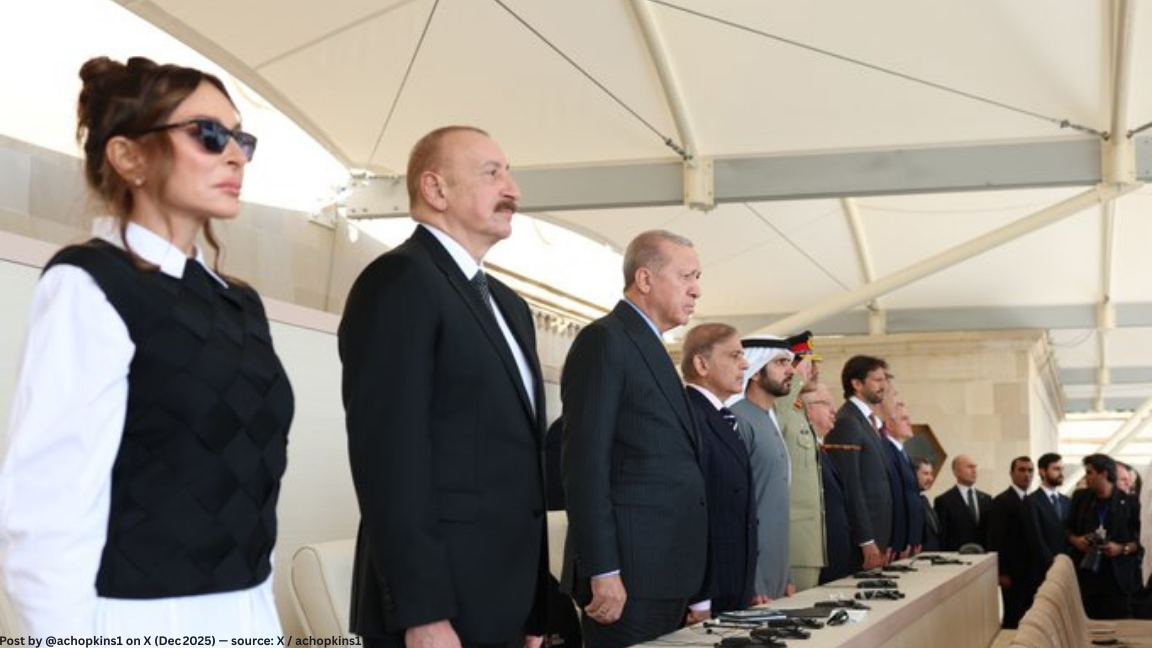
It is noteworthy that Turkish and Pakistani military units also participated in the aforementioned parade.
- On November 14, Russia attacked the Azerbaijani Embassy in Kyiv, causing damage to the building but resulting in no reported casualties.
In the aftermath of the attack, Azerbaijani President Ilham Aliyev spoke by telephone with Ukrainian President Volodymyr Zelensky.
Additionally, the Azerbaijani Foreign Ministry summoned the Russian ambassador to Baku, Mikhail Yevdokimov, to deliver a formal note of protest.
It is important to note that this is not the first instance of Russia targeting Azerbaijani property on Ukrainian territory.
Moscow has given no official comment regarding the incident.
- Azerbaijan became a member of the 5+1 format on November 16, 2025. This grouping was previously known as the CA5 (Central Asian Consultative Format).
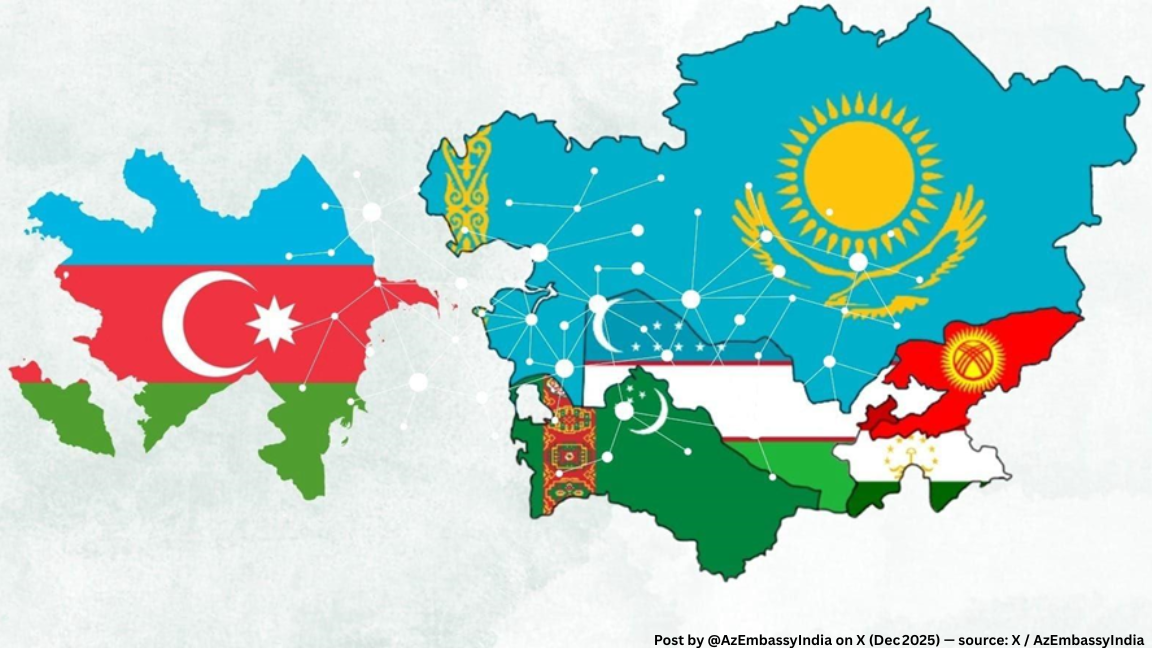
“I am confident that the agreements reached in Washington in August on connecting part of Azerbaijan with the Nakhichevan Autonomous Republic will expand transit opportunities for international transportation,” said Aliev. “The construction of the Zangezur Corridor on Azerbaijani territory is nearing completion. The railway, with an initial capacity of 15 million tons, will become a vital artery of the Middle Corridor. Our joint efforts to modernize transport and logistics infrastructure, alongside the synchronization and digitalization of customs procedures, will create significant opportunities for increasing cargo volumes, strengthening economic sustainability, and expanding participation in international markets.”